

Snapchat Makes It Harder for Teens to Connect With People They Don't Know
Snapchat has a series of new security features for its youngest users designed to make
2023-09-09 02:21

Capture Important Data With the Best Scanning and OCR Apps
A scanning app with optical character recognition (OCR) is indispensable for getting organized and going
2023-06-16 03:47

Scientists find that vitamins might be having an adverse impact on your health
Growing up, people are generally taught that taking vitamins is good for you, with many people taking supplements to boost their intake. However, results of a new study suggest that taking vitamins could actually have a negative impact on health as they may help tumours to grow. New research suggests that taking additional vitamins and minerals, including common antioxidants such as vitamins A and C, and selenium and zinc, could help the blood vessels in tumours to grow. The study was conducted by scientists at the Karolinska Institutet in Sweden who published their findings in the Journal of Clinical Investigation. The results were somewhat of a surprise to experts, who believed anti-oxidants to be protective of the body. In their research, they found that vitamin C and other antioxidants actually stimulated the formation of new blood vessels in lung cancer tumours. Martin Bergö, who is a professor at the Department of Biosciences and Nutrition, said: “We’ve found that antioxidants activate a mechanism that causes cancer tumours to form new blood vessels, which is surprising since it was previously thought that antioxidants have a protective effect. “The new blood vessels nourish the tumours and can help them grow and spread.” Antioxidants, in normal amounts, neutralise free oxygen radicals that damage the body, so are beneficial. But, scientists found that high doses of antioxidants can activate a protein called BACH1 which begins the formation of new blood vessels, allowing harmful tumours to grow. Bergö explained: “There’s no need to fear antioxidants in normal food but most people don’t need additional amounts of them. “In fact, it can be harmful for cancer patients and people with an elevated cancer risk.” Ting Wang, the study’s lead author, said: “Many clinical trials have evaluated the efficacy of angiogenesis inhibitors, but the results have not been as successful as anticipated. “Our study opens the door to more effective ways of preventing angiogenesis in tumours; for example, patients whose tumours exhibit high levels of BACH1 might benefit more from anti-angiogenesis therapy than patients with low BACH1 levels.” Sign up to our free Indy100 weekly newsletter Have your say in our news democracy. Click the upvote icon at the top of the page to help raise this article through the indy100 rankings.
2023-09-05 20:22

Konami’s Bloober Team asks fans to be patient for Silent Hill 2 remake
Games studio Bloober Team have asked their fans to be patient over their upcoming 'Silent Hill 2' remake.
2023-11-27 23:26

Arm’s shares seen as a shoo-in for Nasdaq 100, though S&P 500 unlikely
By Suzanne McGee and Lewis Krauskopf NEW YORK Newly publicly traded company Arm Holdings is poised to be
2023-09-15 22:51

Spare Your Eyes: How to Enable Dark Mode on Your iPhone and iPad
Staring at a bright screen in a dark room is terrible for your eyes, so
2023-06-19 18:48

Star Wars Jedi: Survivor had 'millions' of players in first two weeks
'Star Wars Jedi: Survivor' is "pacing very strongly against" 'Jedi: Fallen Order'.
2023-05-11 19:23
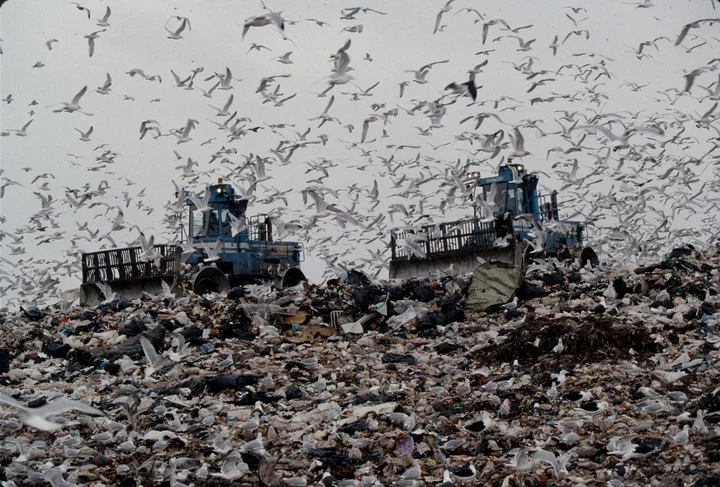
How New York City Turned the World’s Biggest Garbage Dump Into a Park
Staten Island’s Freshkills was once the world’s largest dump. In 2001, New York City shut it down and
2023-10-21 21:50
US federal judge rules against Meta in privacy fight with FTC
WASHINGTON (Reuters) -Meta Platforms, which owns WhatsApp, Instagram and Facebook, lost the latest round of a court battle over privacy
2023-11-28 05:29

What does Twitter’s ‘rate limit exceeded’ restriction mean?
Thousands of Twitter users reported problems with the social media platform this weekend, with many receiving a message saying “rate-limit exceeded” on their personal feed page meant for curated content. Many users complained of several issues over the weekend, such as disappearing timelines, an inability to retrieve or send out their own tweets or even send a direct message. Users could scroll only a limited number of times on their curated “For You” personal feed pages before hitting limits. Twitter owner and chief technology officer Elon Musk explained on Saturday that the platform was issuing temporary reading limits with verified accounts being restricted to reading 6,000 posts a day. Mr Musk said the new restriction was applied “to address extreme levels of data scraping and system manipulation”. The Tesla chief then later added that the “rate limits” were increasing to “8,000 for verified, 800 for unverified and 400 for new unverified”. He then followed it with another update, raising the limits to 10,000, 1,000 and 500 respectively. It remains unclear for how long the new restrictions will be in place as many users continue to face the “Rate limit exceeded. Please wait a few moments then try again” message. Mr Musk has been attempting to generate more revenue for Twitter by making changes to the platform’s policy regarding the use of its API – the system used to communicate with other services. The Tesla and SpaceX chief has previously expressed displeasure with third-party clients, including artificial intelligence firms, using Twitter’s data to train their AI models. The company has been cutting its free API support, which has effectively killed off third-party services that rely on it. Commenting on the outage, Adam Leon Smith of BCS, the UK’s professional IT body, said while data scraping may be “part of the reason”, there are likely to be “underlying technical problems” on the platform. “The alleged data scraping could well be caused by Twitter now charging exorbitant fees for API access, which may have led to a secondary market for tweet data,” he said. Mr Musk retweeted an Elon Musk parody account that said “we are all Twitter addicts and need to go outside”. “I’m doing a good deed for the world here. Also, that’s another view you just used,” the tweet read. Read More Jack Dorsey calls for ‘open internet’ as Musk imposes new reading limits on Twitter Twitter limits number of tweets people can read in a day, Elon Musk announces Is Twitter down? Thousands of users complain of issues with social media website and app What does Twitter’s rate-limiting restriction mean? ‘Rage-baiting’ leftist Twitter account is probably fake, expert says How to delete your Twitter account
2023-07-05 17:49

Fintech lenders tighten lending standards, bolstering debt financing
By Hannah Lang and Matt Tracy U.S. financial technology companies are tightening their lending standards, a move that
2023-07-19 23:47

Western Digital's first-quarter forecast disappoints as weak cloud demand weighs
Memory chipmaker Western Digital Corp forecast first-quarter revenue and profit below Wall Street targets on Monday as weak
2023-08-01 05:19
You Might Like...

AI Startup Cohere Taps Banks for Fresh Fundraising Round

Fortnite Chapter 4 Season 4 Adds New Reality Augments: Full List

Oracle tumbles as strong cloud competition, Cerner weakness dent forecast
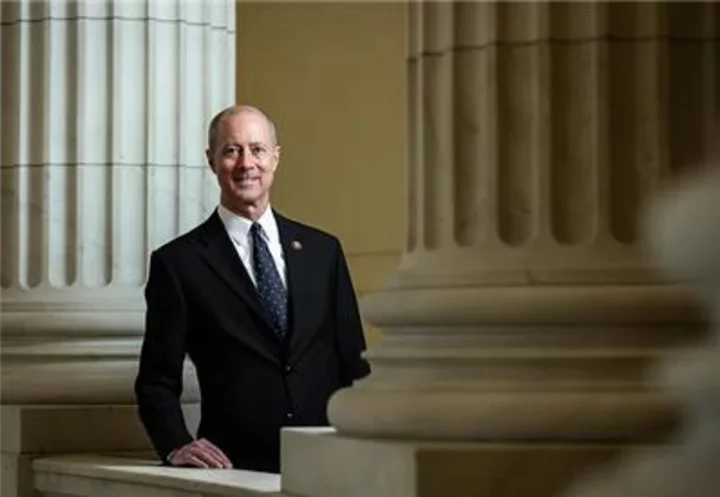
CesiumAstro Expands Advisory Board with Appointment of the Honorable William “Mac” Thornberry as Strategic Advisor

Xbox vice president thinks AI can have great impact on development

Sweden will have a city made of wood built in the next four years

Canon imagePrograf TC-20M Review

Enjoy unlimited premium web hosting, for life, for only $80