

Scientists make surprising discovery that could help boost the global population
Infertility is a problem that afflicts more than a billion people across the world, which is why treatments such as IVF are so important. The procedure (in vitro fertilisation, to use it’s full name) involves the extraction of an egg from the woman's ovaries to be fertilised with sperm in a laboratory and returned to the woman’s womb. The goal is that the resulting embryo will then grow and develop into a foetus, blessing the parent or parents with a baby. However, success rates for IVF – as in, the percentage of treatments that result in a live birth – remain somewhat unencouraging: 32 per cent for women aged under 35; 25 per cent for women aged 35 to 37, with the numbers continuing to drop the older you get, according to the NHS. Nevertheless, a major new study has revealed a striking new finding which could help boost the hopes of countless aspiring mums and dads across the world. Sign up for our free Indy100 weekly newsletter After analysing 3,657 frozen embryos over a period of eight years, researchers in Western Australia found that IVF was much more likely to work when eggs had been harvested in the summer. The team clarified that it didn’t seem to matter when the embryos were transferred to the mother’s womb, just when the eggs were collected. Indeed, the likelihood of babies being born when the eggs had been retrieved in the summer was 30 per cent higher than when they had been retrieved in the autumn, according to the scientists. The team also found that the temperature on the day of egg collection didn’t seem to have an impact on success rates, but the number of sunny hours did. Of the embryos they tested, those harvested on days that had the most sunshine were 28 per cent more likely to result in a live birth compared to the darkest and most overcast days. “Our study suggests that the best conditions for live births appear to be associated with summer and increased sunshine hours on the day of egg retrieval,” the study’s lead, Dr Sebastian Leathersich, of Perth’s King Edward Memorial Hospital, said about the paper, which was published in the journal Human Reproduction. Still, he noted: “There are many factors that influence fertility treatment success, age being among the most important. “However, this study adds further weight to the importance of environmental factors and their influence on egg quality and embryonic development." He further explained: “We effectively separated the conditions at the time of egg collection from the conditions at the time of transfer, demonstrating that environmental factors when the eggs are developing are as, if not more, important than environmental factors during implantation and early pregnancy.” The expert obstetrician and gynaecologist added: “Optimising factors such as avoiding smoking, alcohol and other toxins and maintaining healthy activity levels and weight should be paramount. However, clinicians and patients could also consider external factors such as environmental conditions.” Despite Dr Leathersich and his colleagues concluding that the temperature on the day of egg collection had little bearing on the success of the process, they also found that the temperature on the day of embryo implantation did make a difference. The chances of a live birth rate decreased by 18 per cent when the embryos were transferred on the hottest days (when average temperatures measured between 14.5C and 27.8C) compared to the coolest days (0.1C to 9.8C), and there was a small increase in miscarriage rates, from 5.5 per cent to 7.6. The finding that miscarriage rates were highest when embryo transfer took place on the hottest days is consistent with other studies showing higher rates of miscarriage in the summer months. “This suggests that the negative effects of high temperature are more likely related to early pregnancy rather than egg development,” Dr Leathersich concluded. When it comes to the disparity in success rates between eggs retrieved in summer and autumn, he and his team pointed out that melatonin levels could be at play. Differences in lifestyles between the winter and summer months may also play a role, he and his colleagues acknowledged. "It is possible that there are differences in activity, diet, and lifestyle in different seasons which could underlie the observed differences in live birth rates, though such data were not collected in this study," they wrote. "It is also possible that other environmental factors, including pollutants, may impact clinical outcomes." Whilst the study’s findings are compelling, Dr Leathersich and his team admitted that it did have its limitations. The research was done in hindsight, using eggs that had been frozen, then thawed, so it could not draw watertight conclusions. “Ideally, these findings should be replicated in other sites with different conditions and different treatment protocols to confirm the findings,” Dr Leathersich said. “It would also be interesting to look at the impact of season and environmental factors on sperm parameters, as this could have contributed to our observations.” He added: “We are now planning to analyse this same group of patients using air quality data, as there may be seasonal changes in exposure to harmful pollutants which could negatively affect reproductive outcomes. “Finally, given the huge increase in so-called 'social egg freezing' for fertility preservation and the fact that this group generally have flexibility about when they choose to undergo treatment, it would be very interesting to see if these observations hold true with frozen eggs that are thawed and fertilised years later. “Any improved outcomes in this group could have big impacts for women making decisions about their future fertility, but the long-term follow-up required means it is likely to be some time before we can draw any conclusions for this population.” Have your say in our news democracy. Click the upvote icon at the top of the page to help raise this article through the indy100 rankings.
2023-07-10 23:20

Meta unveils its ChatGPT rival Llama
Meta has unveiled its new artificial intelligence system “Llama 2” rivalling the likes of OpenAI’s ChatGPT chatbot. The Facebook parent company’s chief Mark Zuckerberg said on Tuesday that the new AI system, created after partnering with Microsoft, is free to use for research and commercial purposes in contrast to its competitors. Microsoft also said it aims to “democratise AI and its benefits” with the launch of Llama 2. A previous version known as Llama, had been launched in February, but leaked onto the internet in March and was tinkered with by the public since. Compared to some of their Big Tech rivals developing large AI language models, Meta and Microsoft said they seek to provide “an open approach”, offering researchers and companies a peek into the data and code they use to build their AI. “We believe an open approach is the right one for the development of today’s AI models, especially those in the generative space where the technology is rapidly advancing,” Meta noted in a blog post. “Giving businesses, startups, entrepreneurs, and researchers access to tools developed at a scale that would be challenging to build themselves, backed by computing power they might not otherwise access, will open up a world of opportunities for them to experiment, innovate in exciting ways, and ultimately benefit from economically and socially,” the tech giant noted. The new AI system Llama 2 is in contrast with other chatbots like ChatGPT by OpenAI and Bard by Google that are not open source. “Open source drives innovation because it enables many more developers to build with new technology,” Mr Zuckerberg said in a Facebook post. “It also improves safety and security because when software is open, more people can scrutinize it to identify and fix potential issues. I believe it would unlock more progress if the ecosystem were more open, which is why we’re open sourcing Llama 2,” he said. However, despite Meta’s claims of open-sourcing its new AI system, the data it used to build Llama 2 still remains unclear. A research paper released along with the new model says it was trained on “a new mix of data from publicly available sources, which does not include data from Meta’s products or services”, but does not mention specifically what data was used. The paper, however, noted that Meta removed data from websites containing a “high volume of personal information about private individuals”. The new AI models can be directly downloaded or via a partnership, which makes them available on Microsoft’s cloud platform Azure, Meta said. “Starting today, Llama 2 is available in the Azure AI model catalog, enabling developers using Microsoft Azure to build with it and leverage their cloud-native tools for content filtering and safety features,” it said. “It is also optimized to run locally on Windows, giving developers a seamless workflow as they bring generative AI experiences to customers across different platforms,” it said. Llama 2 is also available via Microsoft’s rival Amazon Web Services (AWS) and Hugging Face, among other providers, Meta said. Read More Threads starts limiting how many posts people can see as it is hit by spam attacks $44 billion and eight months later. It’s finally all over for Elon Musk ChatGPT rival with ‘no ethical boundaries’ sold on dark web Xbox and PlayStation sign major deal on the future of Call of Duty Microsoft changes its default typeface for only the second ever time Microsoft’s attempt to buy Call of Duty developer reaches huge new development
2023-07-19 14:23

Google leaks its own Pixel 8 Pro because that's what Google does
Sometimes it seems like it has to be on purpose. Google, a company known for
2023-08-30 17:16

How to Get F1 Manager 2023 Early Access
Here's how to enjoy F1 Manager 2023 as early as possible.
2023-07-11 05:30

OpenAI's GPTBot Will Scrape Your Website to Train Its AI, Unless You Opt Out
With its new GPTBot, AI models from OpenAI can crawl the web for new information,
2023-08-09 03:19

10 of the best Python courses you can take online for free
TL;DR: Find a wide range of free Python courses on Udemy. Learn at your own
2023-07-06 12:23

2 robotaxi services seeking to bypass safety concerns and expand in San Francisco face pivotal vote
California regulators are poised to decide whether two rival robotaxi services can provide around-the-clock rides throughout San Francisco
2023-08-10 12:21

Factbox-Jefferies sees AI fuelling next wave of innovation in oil and gas sector
With AI rapidly becoming a buzzword across industries, oil and gas companies are exploring ways to use this
2023-06-09 23:25

Disney Dreamlight Valley: How to get new Twitch Drop items for free in May 2023?
Disney Dreamlight Valley Twitch Drops will allow players exciting customizations for in-game dwellings and the environment
2023-05-18 14:51

GS Magna Build Warzone 2: Best Attachments to Use
Check out the best attachments for minimum recoil and high bullet velocity for the GS Magna in Call of Duty: Warzone 2 Season 3 Reloaded.
2023-05-15 23:24
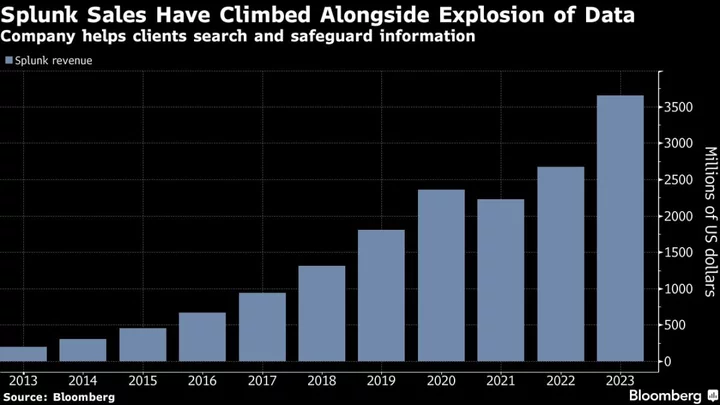
Cisco is Buying Splunk for $28 Billion. Here's What Splunk Does
If the deluge of data in the modern world is increasingly overwhelming, cybersecurity company Splunk claims to have
2023-09-22 03:15

Shares of UK online supermarket Ocado soar on talk of Amazon bid interest
LONDON (Reuters) -Ocado Group shares surged by over 40% on Thursday after The Times newspaper reported speculation of possible bid
2023-06-22 21:52
You Might Like...

India and Pakistan Evacuate Thousands as Cyclone Makes Landfall

Twitter API changes crush @PossumEveryHour and other good bots

Countries agree to extend digital services tax freeze through 2024

Learn Python from home with this $20 expert-led bundle

Climate Change Is Causing an Insurance Crisis in Louisiana

MCE Systems Wins Gold Stevie® Award in 2023 International Business Awards®
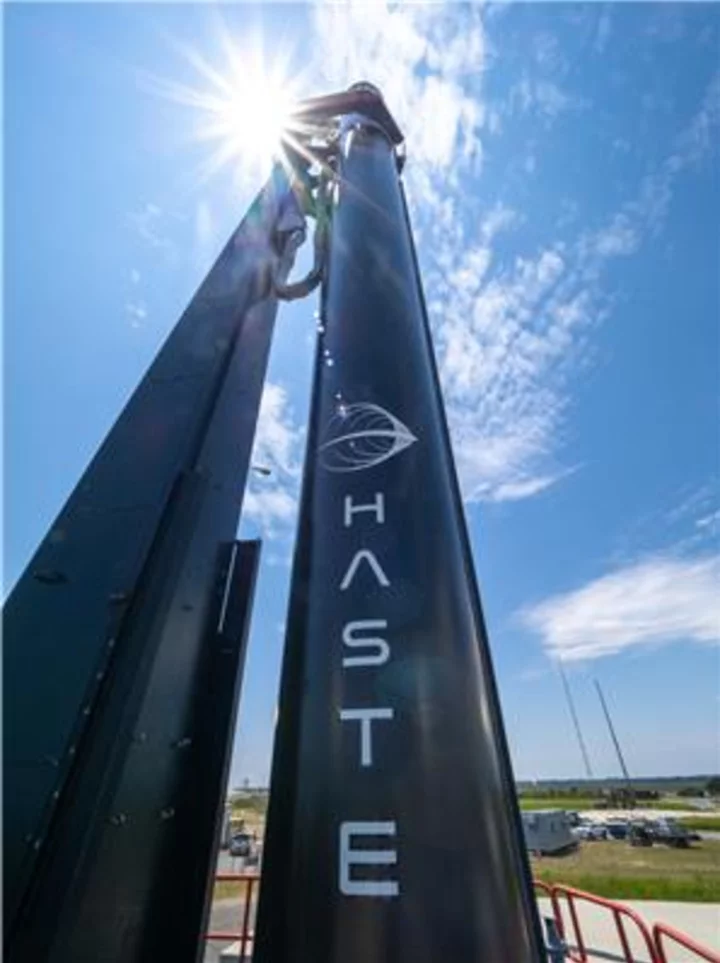
Rocket Lab Signs Deal with Leidos to Launch Four HASTE Missions
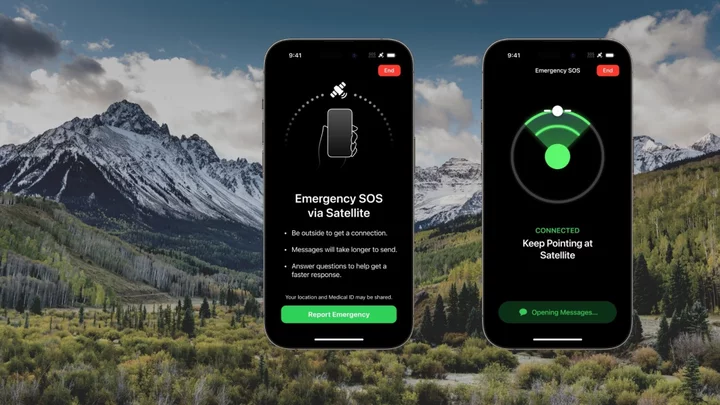
Apple Emergency SOS on iPhone: What it is and how to use it