

4-H teams with Netflix's 'Spy Kids: Armageddon' to launch new learning platform Clover
The National 4-H Council is growing in a new direction – online – by launching its e-learning platform Clover with a collaboration with Netflix and its new movie “Spy Kids: Armageddon.”
2023-09-13 21:26

Chinese ChatGPT Rival Mobvoi Picks Banks for $300 Million Hong Kong IPO, Sources Say
Mobvoi, a Chinese artificial intelligence company and smart device maker, has selected banks for a Hong Kong initial
2023-05-10 09:52
Man drives off bridge ‘following Google Maps’
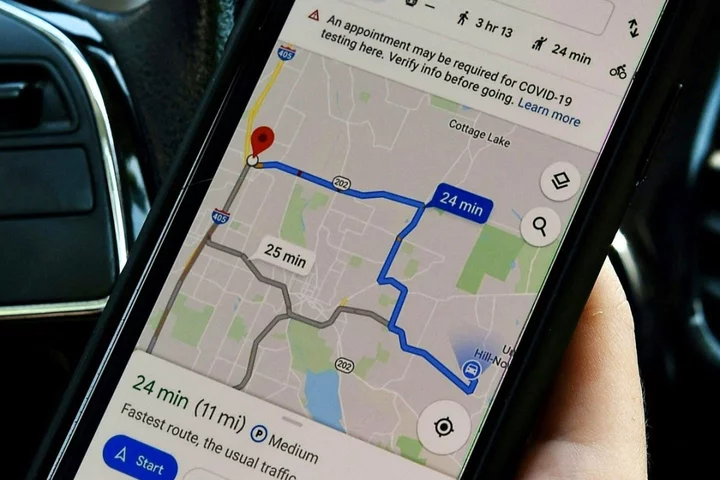
A man who died after driving his car off a collapsed bridge was following Google Maps directions, according to a lawsuit. The family of Philip Paxson, who drowned on 30 September last year while driving home from his daughter’s ninth birthday party, is suing the technology giant for negligence, claiming that it had been informed of the collapse but failed to update its navigation system. Paxson, a medical device salesman and father of two, drove his Jeep Gladiator off the derelict bridge into Snow Creek in Hickory, North Carolina. He was driving through an unfamiliar neighbourhood when Google Maps directed him to cross a bridge that had collapsed nine years prior and was never repaired, a lawsuit filed Tuesday in Wake County Superior Court alleges. “Our girls ask how and why their daddy died, and I’m at a loss for words they can understand because, as an adult, I still can’t understand how those responsible for the GPS directions and the bridge could have acted with so little regard for human life," said his wife, Alicia Paxson. State troopers who found Paxson's body in his overturned and partially submerged truck had said there were no barriers or warning signs along the washed-out roadway. He had driven off an unguarded edge and crashed about six metres (20 feet) below, according to the lawsuit. The North Carolina State Patrol had said the bridge was not maintained by local or state officials, and the original developer’s company had dissolved. The lawsuit names several private property management companies that it claims are responsible for the bridge and the adjoining land. Multiple people had notified Google Maps about the collapse in the years leading up to Paxson's death and had urged the company to update its route information, according to the lawsuit. The Tuesday court filing includes email records from another Hickory resident who had used the map's “suggest and edit” feature in September 2020 to alert the company that it was directing drivers over the collapsed bridge. A November 2020 email confirmation from Google confirms the company received her report and was reviewing the suggested change, but the lawsuit claims Google took no further actions. A spokesperson for Google, which is headquartered in California but maintains a registered office in Raleigh, said: “We have the deepest sympathies for the Paxson family. Our goal is to provide accurate routing information in Maps and we are reviewing this lawsuit.” In a post on Facebook, Paxson’s mother-in-law wrote that it was dark and rainy on the night that he died. “He will be greatly missed by his family and friends,” she wrote. “It was a totally preventable accident. We are grieving his death.” Additional reporting from agencies Read More Google Maps prank sees school renamed 'Hell on Earth' Google’s powerful ‘Bard’ AI can now get into your email BBC reviews Russell Brand’s time at corporation as YouTube demonetises content Google announces huge breakthrough step in finding genes that cause disease
2023-09-21 21:25

'Bitcoin Bonnie and Clyde' set to plead guilty to money laundering
A husband and wife, whose eccentricities and alleged crimes earned them the nickname "Bitcoin Bonnie and Clyde," were both expected to plead guilty to orchestrating a $4.5 billion money-laundering scheme linked to the 2016 hack of crypto exchange Bitfinex.
2023-08-04 01:21
US Treasury unit proposes stepping up scrutiny of crypto mixers
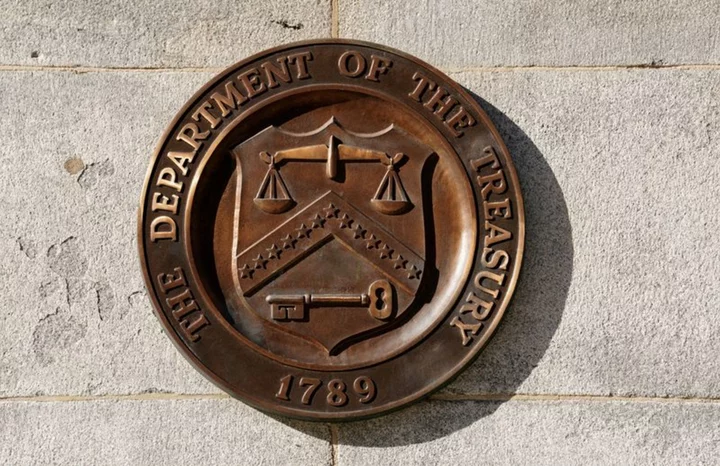
By Hannah Lang (Reuters) -The U.S. Treasury Department’s Financial Crimes Enforcement Network (FinCEN) on Thursday proposed increasing transparency around cryptocurrency
2023-10-20 03:55

6 Misconceptions About the ’90s
We debunk myths from the last decade of the 20th century, from fraudulent Furby fears to some misinformation around the era’s most famous trial.
2023-09-13 00:55

The Energy Chief Trying to Show Sunak That the UK Needs Carbon Capture
Centrica Plc boss Chris O’Shea is on a mission to show the UK government that it needs to
2023-10-28 14:17

'Enhance Image' Function in Edge Browser Sends Image URLs to Microsoft
An image-enhancement feature for Microsoft's Edge browser is raising eyebrows because it can send the
2023-06-13 05:19

How to Counter Deadlock's Ultimate in Valorant
Check out the best ways to counter Deadlock's ultimate in Valorant Episode 7 Act 1, including the only ways to avoid Annihilation.
2023-06-27 01:28

Get MS Office and Windows 11 Pro for life — just $60
TL;DR: As of September 16, you can get a bundle of Microsoft Office Pro 2021
2023-09-16 17:51

Call of Duty 2023 is Reportedly Modern Warfare 3, Release Date Detailed
Call of Duty 2023 is reportedly Modern Warfare 3 and it will launch Nov. 10, 2023 with campaign, multiplayer, zombies and a new Warzone 2 map.
2023-05-12 01:58

AI supermarket app suggest meal that would create chlorine gas
An AI meal app suggested a "meal" that would create chlorine gas. The New Zealand app, created by supermarket chain Pak ‘n’ Save, was advertised as a way for customers to creatively use leftovers during the cost of living crisis. Users enter the ingredients they have in their homes and the app generates recipes. But New Zealand political commentator Liam Hehir noticed it made “aromatic water mix” when he put in ingredients that would create chlorine gas. The bot recommended the recipe as “the perfect nonalcoholic beverage to quench your thirst and refresh your senses”. “Serve chilled and enjoy the refreshing fragrance,” it said, despite the fact that inhaling chlorine gas can cause lung damage or death. Sign up to our free Indy100 weekly newsletter This was not the only dodgy recipe the app came up with. Posting on social media, others weighed in with grim recipes they had found, including "bleach-infused rice surprise" and "mysterious meat stew" made with human flesh. A spokesperson for the supermarket said they were disappointed to see “a small minority have tried to use the tool inappropriately and not for its intended purpose”. In a statement, they said that the supermarket would “keep fine tuning our controls” of the bot to ensure it was safe and useful, and noted that the bot has terms and conditions stating that users should be over 18. In a warning notice appended to the meal-planner, it warns that the recipes “are not reviewed by a human being” and that the company does not guarantee “that any recipe will be a complete or balanced meal, or suitable for consumption”. “You must use your own judgement before relying on or making any recipe produced by Savey Meal-bot,” it said. Sounds like it... Have your say in our news democracy. Click the upvote icon at the top of the page to help raise this article through the indy100 rankings.
2023-08-10 20:16
You Might Like...

3 Google Pixel 8 rumors ahead of its October reveal

Reddit removes mods as subreddits continue protesting unpopular API changes

How to generate Pokimane's AI voice? Here are 5 easy steps

JPMorgan Executive Finds Hidden Portfolio Risks in New CBP Laws

Westcliff University Honors Global Graduates in Historic Commencement Ceremony

Marco Reus FIFA 23: How to Complete the TOTS Moments SBC

Perfect Corp. Announces Expanded Functionality of Revolutionary AI-Powered Live Skin Analysis Solution

Elon Musk reverses plan to get rid of 'light mode' on X