
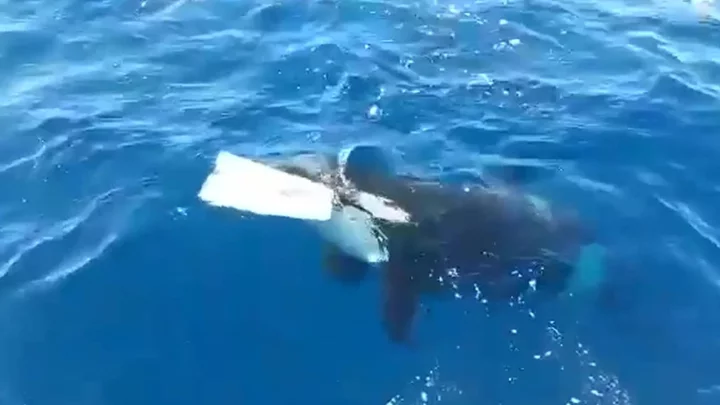
Scientists think orcas might be getting smarter as they show frightening new behaviours
As if orcas weren’t frightening enough, experts think they are getting even smarter as they have started to learn some terrifying new behaviours. The whale species, commonly known as killer whales, is an apex predator that has learned to adapt its hunting methods to a variety of different prey. In March 2019, researchers were stunned when they witnessed the first documented case of a pod of orcas working as a team to kill one of the largest animals on the planet, a blue whale. The gruesome incident took place on the coast of southwestern Australia as experts watched as a dozen orcas bit chunks out of the adult blue whale, slowly wearing it down until it finally died an hour later. While it may have been the first recorded case, it has not been the last. Additionally, a small population of orcas on the coast of Spain and Portugal have become fans of ramming and damaging boats, sometimes causing enough destruction to sink them. Elsewhere, orcas have been seen abducting baby pilot whales and tearing the livers out of sharks that later wash up on shore. Deborah Giles, an orca researcher at the University of Washington and the nonprofit Wild Orca explained to Live Science: “These are animals with an incredibly complex and highly evolved brain. They've got parts of their brain that are associated with memory and emotion that are significantly more developed than even in the human brain.” But, while the actual anatomy of the animals’ brains hasn’t changed, their ability to learn is what is making orcas smarter than ever before. They implement what is known as social learning, where younger members of the pods observe and learn hunting methods from the adults, particularly the dominant matriarch, who themselves, are always learning. Josh McInnes, a marine ecologist at the University of British Columbia, explained: “This behaviour may be being shared between individuals, and that's maybe why we're seeing an increase in some of these mortality events.” But, while experts think they are getting smarter, they also think it may be leading to the breakup of large pods of orcas. Michael Weiss, a behavioural ecologist and research director at the Center for Whale Research in Washington state, said: “Their social bonds get weaker because you can't be in a big partying killer whale group if you're all hungry and trying to search for food.” Sign up to our free Indy100 weekly newsletter How to join the indy100's free WhatsApp channel Have your say in our news democracy. Click the upvote icon at the top of the page to help raise this article through the indy100 rankings.
2023-10-24 17:54

Capcom Turns 40 on June 11
OSAKA, Japan--(BUSINESS WIRE)--Jun 9, 2023--
2023-06-09 15:27
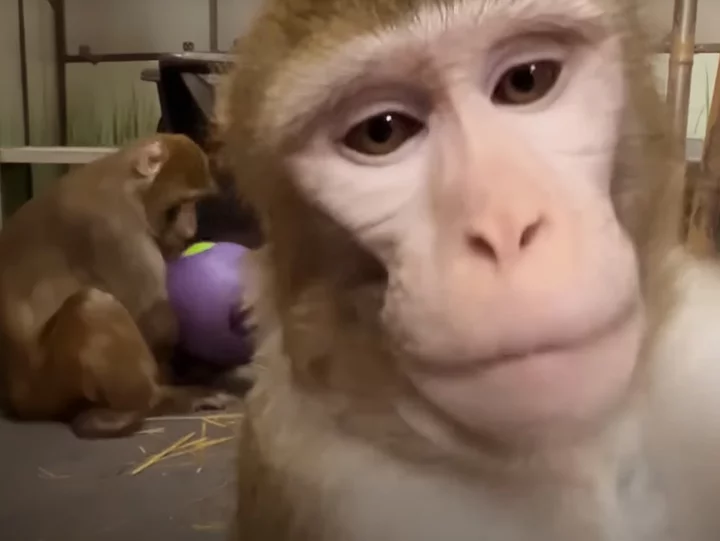
Elon Musk says monkeys implanted with Neuralink brain chips were ‘close to death’
Elon Musk has denied reports that his brain implant startup Neuralink killed monkeys during research experiments, claiming instead that tests were only done on “terminal” primates. Neuralink admitted to euthanizing eight animals during trials of its brain-computer interface technology last year, however denied accusations from the Physicians Committee for Responsible Medicine (PCRM) that it subjected monkeys to “extreme suffering”. The animal rights group accused Neuralink of “inadequate animal care” at the company’s lab at the University of California’s Davis Primate Centre, alleging that nine violations of the Animal Welfare Act were committed. Neuralink defended its animal testing record in a blog post last year, claiming that it is “absolutely committed to working with animals in the most humane and ethical way possible”. The firm also noted that “all novel medical devices and treatments” must be tested on animals before they can be trialled on humans. “The use of every animal was extensively planned and considered to balance scientific discovery with the ethical use of animals,” the blog post stated. Neuralink CEO Elon Musk has now added more details about the startup’s animal testing practices, after the issue was brought up by one of his followers on X, formerly known as Twitter. “No monkey has died as a result of a Neuralink implant,” Mr Elon Musk posted to X. “First our early implants, to minimise risk to healthy monkeys, we chose terminal monkeys (close to death already).” Mr Musk founded Neuralink in 2016 with the ultimate aim of merging artificial intelligence with the human brain. An implanted chip could improve hearing and vision, while also delivering “enhanced abilities” like greater reasoning and anxiety relief, according to the tech billionaire. Early applications of the technology will be for treating brain disorders and neurological conditions, though the company is yet to set a date for when its chips will be ready to use. In May, Neuralink revealed that it had received approval from the US Food and Drug Administration (FDA) to begin testing its technology on humans. Neuralink said that FDA approval “represents an important first step that will one day allow our technology to help many people”. Read More 10 ways AI will change the world – from curing cancer to wiping out humanity SpaceX launch of Starship rocket on hold amid ‘mishap investigation’ Famed tech journalist deletes X account with epic rant at Elon Musk First photo emerges of Elon Musk and his baby twins with Neuralink director
2023-09-11 23:24
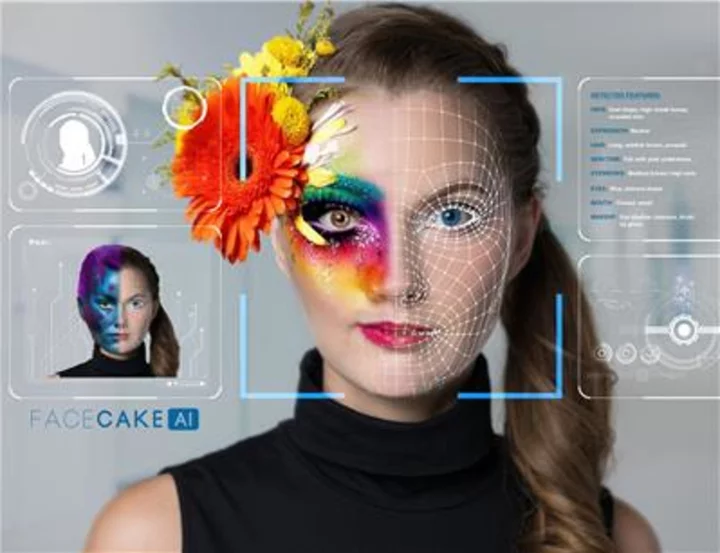
FaceCake Infuses RealmFX with Its Proprietary AI, Using Its AI/AR Technology Platform to Engage the Visual Effects Industry
LOS ANGELES--(BUSINESS WIRE)--Jul 11, 2023--
2023-07-11 18:21
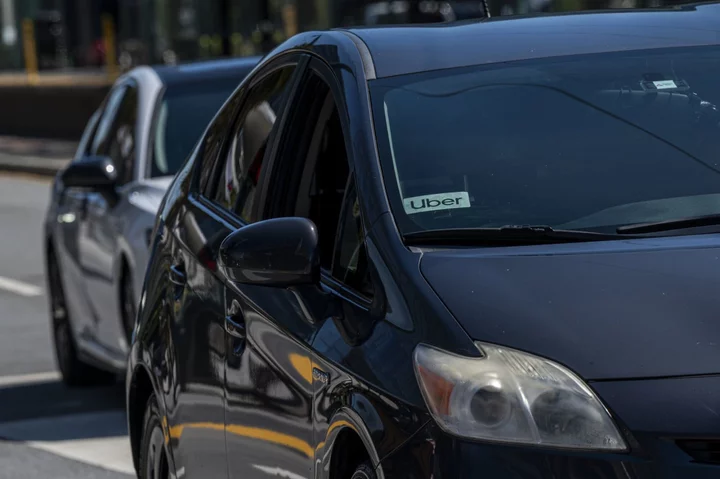
Uber Will Let You Rent Out Your Car in Sustainability Push
Uber Technologies Inc. will make it possible to rent out your car on its app, with a peer-to-peer
2023-06-08 22:28

UCLA Quarterback Chase Griffin Partners with Groundswell to Support Los Angeles Regional Food Bank
LOS ANGELES--(BUSINESS WIRE)--Aug 31, 2023--
2023-08-31 20:28

AI generated modern Mona Lisa slammed for catering to the 'male gaze'
As artificial intelligence has become a bigger part of the cultural conversation many have used its power to create art, a subject that’s been highly controversial amongst artists who accuse AI of stealing and profiting of their work. The most recent AI art to go viral is a depiction of what Da Vinci’s iconic Mona Lisa would look like today, and the result is… interesting. The AI version showed a lot of changes. Clearer sing, wide eyes, a bit of makeup and a lot of cleavage. Many men seemed suddenly attracted this version of Mona Lisa leaving comments such as “now I’m interested in art” and “would” about a non-existent version of the famous woman. Sign up to our free Indy100 weekly newsletter But many were critical of the picture. “Y’all notice how ai art is very much catered to target the male gaze…” commented one user. One user said the image was “a very funny illustration of AI bias,” and that this other Mona Lisa “makes a starker point about AI and art.” He goes on to say that, “real art challenges or re contextualises - it is an act of original thought. “Most AI tools can only please. They cannot subvert or invent unless so programmed.” Many seemed to agree with one tweet amassing over 80,000 likes for critiquing the image saying: "not this what she would like like according to porn addicts." Another user joked about what the actual Mona Lisa looks like today: The creator of the image Gianpaolo Rosa has addressed the controversy surrounding the image claiming that it was made to "honour Leonardo Da Vinci's masterpiece" but regonised that the sexualisation of women is "sad" and "problematic" but hopes that the image can open a dialogue about how we "perceive art and women." AI art has long faced criticism and many argue that it often shows AI's limitations, rather than its capabilities. Many say it lacks originality and creativity, often producing work after being 'fed' the real work of artists. Harry Woodgate, author and illustrator of Grandad's Camper, said to The Guardian in January: "These programs rely entirely on the pirated intellectual property of countless working artists, photographers, illustrators and other rights holders." Have your say in our news democracy. Click the upvote icon at the top of the page to help raise this article through the indy100 rankings.
2023-08-01 00:54
Intel to Build Israeli Plant in Latest Diversification Push
Intel Corp. has agreed in principle to build a new manufacturing plant in Israel, part of a push
2023-06-19 02:28
15 of the best Bitcoin and cryptocurrency courses you can take online for free
TL;DR: A wide range of Bitcoin and cryptocurrency courses are available for free on Udemy.
2023-07-20 12:18
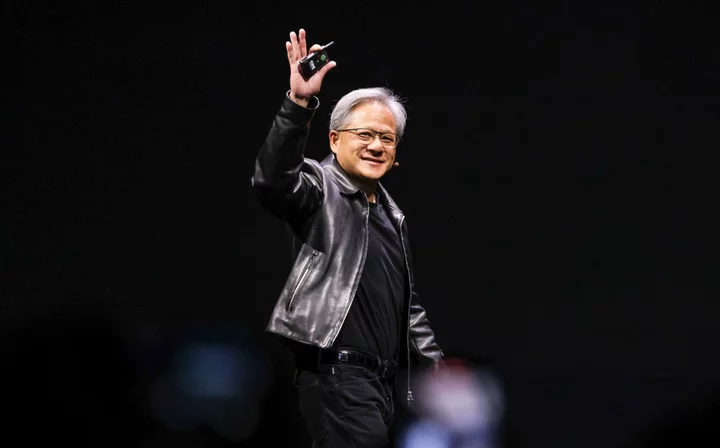
Intel Cedes Spotlight at Global Tech Gala to AI Darling Nvidia
When Asia’s biggest computing and electronics show kicked off this week, one name was conspicuously absent: Intel Corp.
2023-05-31 16:21
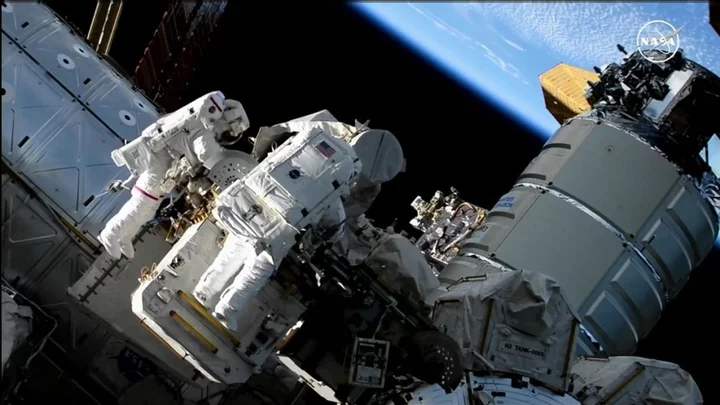
A terrifying thing happens to astronauts' fingernails on a spacewalk
Going on a spacewalk might sound like a lot of fun – but in reality it’s no walk in the park. From their muscles getting less dense all the way to erectile dysfunction, astronauts have to put up with all sorts of things going wrong with their body. And none more gross than what happens to their fingernails. Turns out they just fall right off. The technical term for this is onycholysis, and it has to do with how much – or how little – atmospheric pressure there is in space. Because there is so little ambient pressure in space, astronaut’s space suits need to be pressurised to keep the human body intact. But that’s not good for the hands, it turns out. “Injuries to the hands are common among astronauts who train for extravehicular activity (EVA),” says a 2015 conference paper by space specialists Wyle Laboratories. “When the gloves are pressurized, they restrict movement and create pressure points during tasks, sometimes resulting in pain, muscle fatigue, abrasions, and occasionally more severe injuries such as onycholysis. “Glove injuries, both anecdotal and recorded, have been reported during EVA training and flight persistently through NASA's history regardless of mission or glove model." A 2010 study looked at 232 hand injuries sustained by astronauts, and found that the wider your knuckle joints, the more likely you are to suffer in a space suit. The study suggested that because space suit gloves limit the mobility of these knuckles, the fingers then get put under more pressure. This, in turn, means less blood gets to the fingers, and risks onycholysis. Ouch. Work has been done to try to improve the design of space suit gloves, of course. One team found that the more tailored they were to each astronaut’s finger length the less likely they were to lose their fingernails. That’s no mean feat, however. These gloves are made of at least four layers: one which touches the skin, one which helps create the pressurised environment, another one which makes the pressure layer less stiff, and an outer layer which protects the astronaut from everything on the outside. Mercifully for NASA astronauts at least, they usually have their gloves fitted to each wearer, and with new space suit design moving forward each day, the number of injuries is decreasing. Nonetheless, it sounds like a trip to space is no time for a manicure. How to join the indy100's free WhatsApp channel Sign up to our free indy100 weekly newsletter Have your say in our news democracy. Click the upvote icon at the top of the page to help raise this article through the indy100 rankings.
2023-11-28 21:50
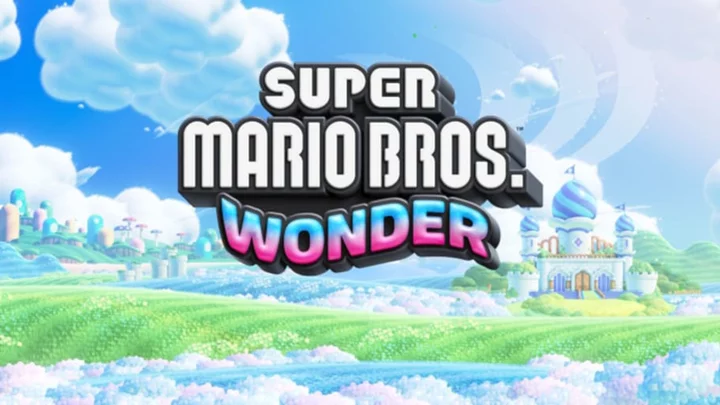
13 Beginner Tips For Super Mario Bros. Wonder
Here are some useful tips you'll want to know before getting into Super Mario Bros. Wonder.
2023-10-25 06:28
You Might Like...

Did Nina Agdal have an affair with Elon Musk? Dillon Danis goes after Logan Paul's fiancee again

Analysts predict more brands will flee X after Musk tirade
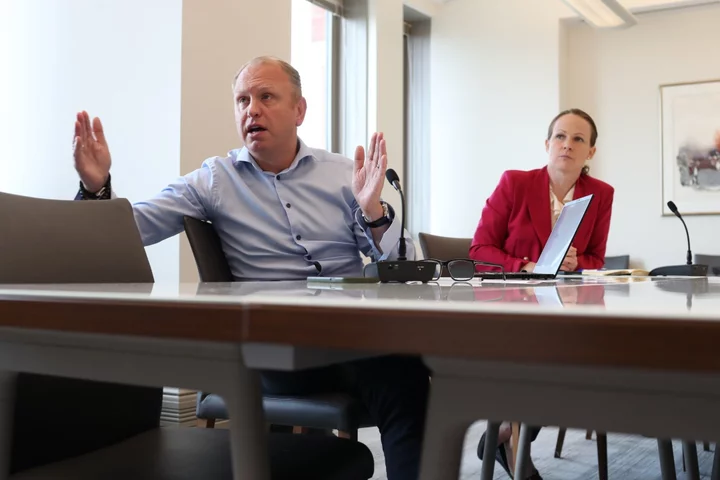
Swedish Industrialists Explore $6 Billion Green Steel Project in Canada

ENet launches new 4G/5G services in Guyana powered by Mavenir’s Cloud-Native IMS and Digital BSS
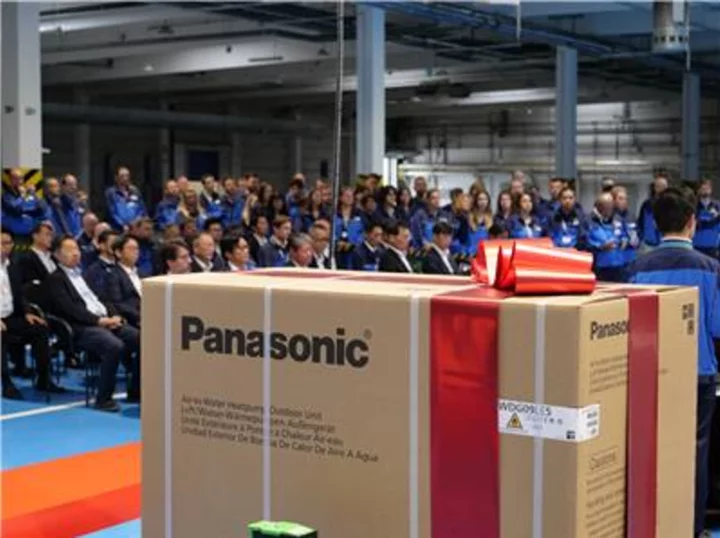
Panasonic Extends Heat Pump Production in Europe
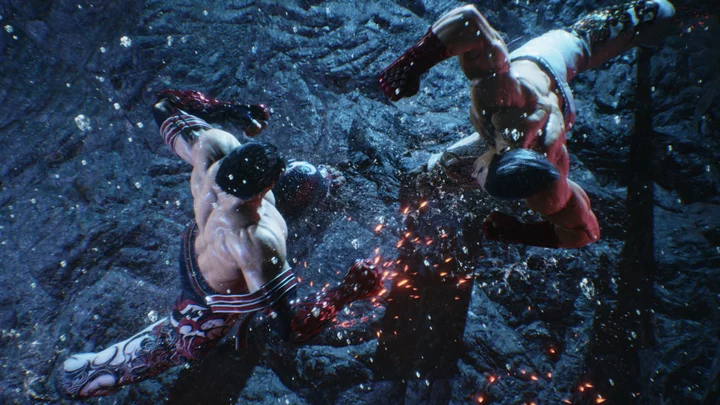
Are Tekken 8's Combos Too Long? Yes, Say Devs
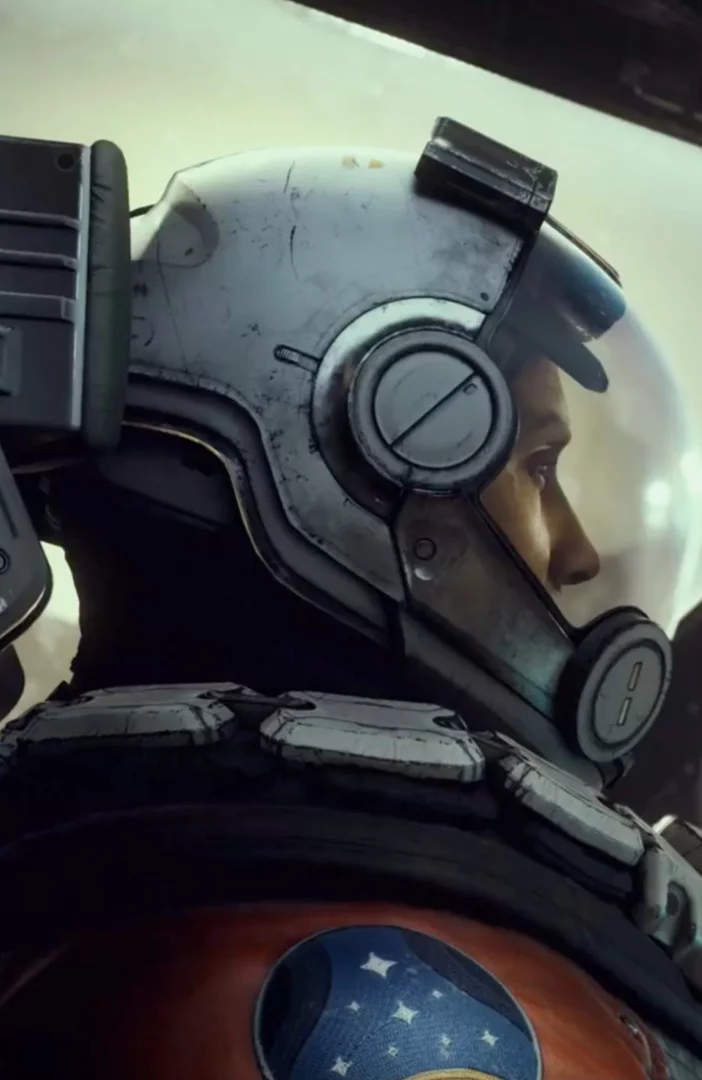
Donnie Brascao was the vision behind a quest in RPG Starfield
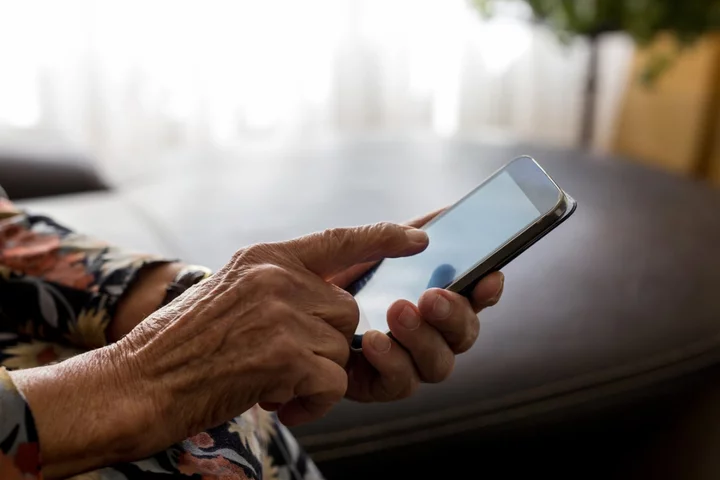
Adults over 65 admit they’re baffled by digital terms including ‘smartphone’