
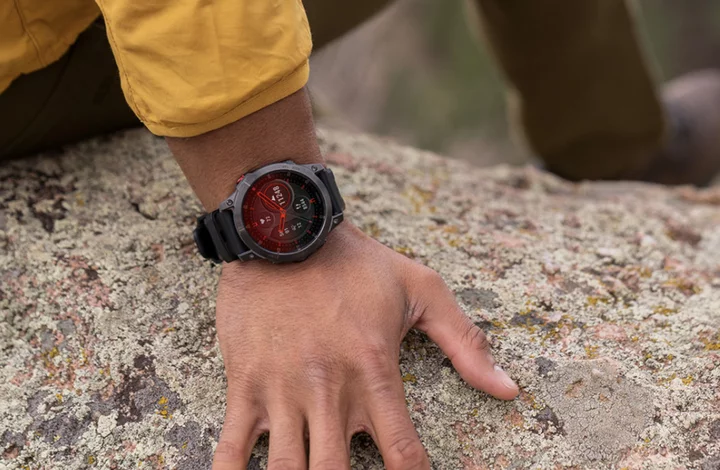
Score the Garmin epix GPS watch for its lowest price ever
SAVE $200: As of September 15, the Garmin epix (Gen 2) GPS smartwatch is on
2023-09-16 00:51

Hong Kong’s Crypto Ambitions Get a Guarded Reception From Digital-Asset Companies
Hong Kong kicked off a new crypto regulatory regime in a bid to nurture a digital-asset hub, a
2023-06-01 09:19

Hollywood AI backlash: What striking writers and actors fear about tech replacing roles
Hollywood’s actors and writers have both gone on strike for the first time since 1960 to protest against a number of decisions by major studios that include not just job cuts but also a potentially unsettling future in which they could be replaced by artificial intelligence. The leaders of SAG-AFTRA, the Hollywood union representing 160,000 television and movie actors, went on strike on Thursday, joining the industry’s screenwriters who have already been picketing for over 70 days. Among the many issues flagged by both the writers and actors in the protests has been how generative AI tools could replace their roles in the industry. Over the last decade, AI has found several uses in the movie and television industry, from de-aging actors, analysing patterns and behaviours of viewers on streaming platforms, bringing back the voices of late actors and even helping stitch together entire movie trailers. One of the proposals, as explained by SAG-AFTRA’s national executive director and chief negotiator Duncan Crabtree-Ireland, feels like it is straight out of dystopian science fiction series Black Mirror. During a press conference on Thursday, Mr Crabtree-Ireland alleged that a proposal from Hollywood studios was to use “groundbreaking AI” to scan background performers and only offer them a day’s pay while the companies get to own the scans and use them for any project they want. “This ‘groundbreaking’ AI proposal that they gave us yesterday, they proposed that our background performers should be able to be scanned, get one day’s pay, and their companies should own that scan, their image, their likeness and should be able to use it for the rest of eternity on any project they want, with no consent and no compensation,” the executive said. “If you think that’s a groundbreaking proposal, I suggest you think again,” Mr Crabtree-Ireland said. A statement from the Alliance of Motion Picture and Television Producers (AMPTP), that represents the studios, claims the “groundbreaking AI” proposal “protects actors’ digital likenesses for SAG-AFTRA members”. “We are being victimized by a very greedy enterprise... The entire business model has been changed by streaming and AI If we don’t stand tall right now, we are all going to be in jeopardy,” the actors’ guild president Fran Drescher said on Thursday. Follow along here for real-time updates on the SAG-AFTRA strike Writers who have already been protesting since May have also sought assurances from studios that their jobs would not be threatened by AI. With the steady rise of online streaming services looking to rack up user subscriptions by churning out endless amounts of digital content, writers on strike have sought new pay structures, guaranteed periods of work as well as better discussions on the limits of AI use. Members of the Writers Guild of America (WGA) shared concerns that producers may seek to use AI to write scripts or at least use the technology to complete unfinished screenplays, and have also urged production houses to agree to safeguards around its usage. Screenwriters fear AI could be used to churn out a rough first draft with a few simple prompts and writers may then be hired after this initial step to punch such drafts up – albeit at a lower pay rate. Without further dialogue with studios, writers have raised concerns there could be a number of new ways that AI could be used to craft outlines for stories, fill in scenes and even come up with mock-up drafts. “There are ways it can be useful. But too many people are using it against us and using it to create mediocrity. They’re also in violation of copyright. They’re also plagiarizing,” Michael Winship, president of the WGA East, said in May. With these risks in mind, the WGA seeks more safeguards on how AI can be applied to the screenwriting process. Read More Hollywood actors and writers strike after ‘disgusting’ studios turn down deal. Here’s what it means for you Hollywood in historic shutdown as actors union joins writers strike: ‘The eyes of the world are upon us’ Cast of Oppenheimer walk out of UK premiere ahead of actors’ strike announcement What happens next as striking actors send Hollywood into meltdown? Issa Rae and Jamie Lee Curtis lead A-listers voicing support for actors strike Hollywood in historic shutdown as actors union joins writers strike
2023-07-14 13:47
Blockchain analysts suspect N. Korea-linked hackers behind $70m crypto theft
By Elizabeth Howcroft and Raphael Satter LONDON Blockchain researchers say North Korea-linked hackers are likely behind a $70
2023-09-16 01:25

Join Mouser Electronics at Embedded Vision Summit 2023
DALLAS & FORT WORTH, Texas--(BUSINESS WIRE)--May 15, 2023--
2023-05-16 10:21
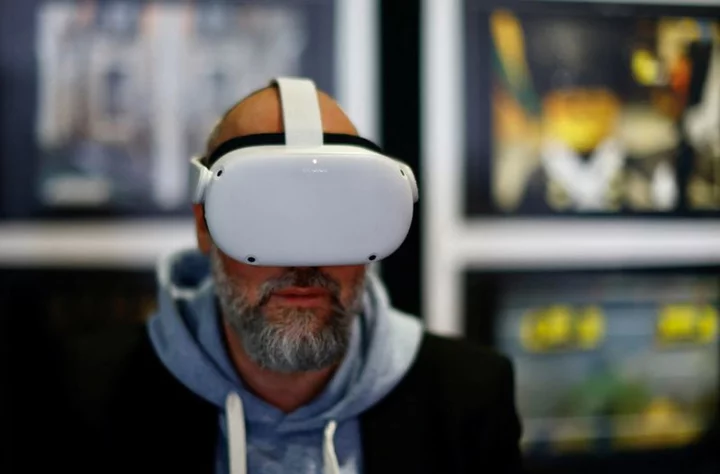
Factbox-Governments race to regulate AI tools
Rapid advances in artificial intelligence (AI) such as Microsoft-backed OpenAI's ChatGPT are complicating governments' efforts to agree laws
2023-05-23 16:49

iPhone 15 may see major design changes and a slight price increase this year
It's hard to believe, but the September iPhone event is only weeks away. With that,
2023-07-31 01:20

Did Pokimane make budding Twitch streamer cry? Shocked Yeetitsnikki screams 'you're lying', Internet calls it 'insane'
The sheer shock and genuine joy on Yeetitsnikk’s face was palpable, as she struggled to believe what was happening
2023-07-07 21:56
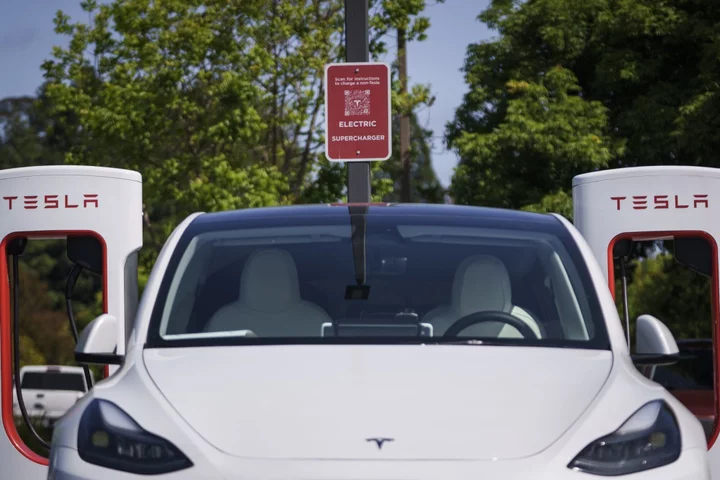
Tesla Prices Now Rival Average US Cars After Billions in Cuts
Tesla Inc.’s top-selling electric vehicles now compete directly with gasoline cars on price after the latest round of
2023-10-09 21:15

Dell Inspiron 16 2-in-1 (7635) Review
Think of 2-in-1 laptops as laptops first and tablets second—a long-distant second in the case
2023-08-17 00:22
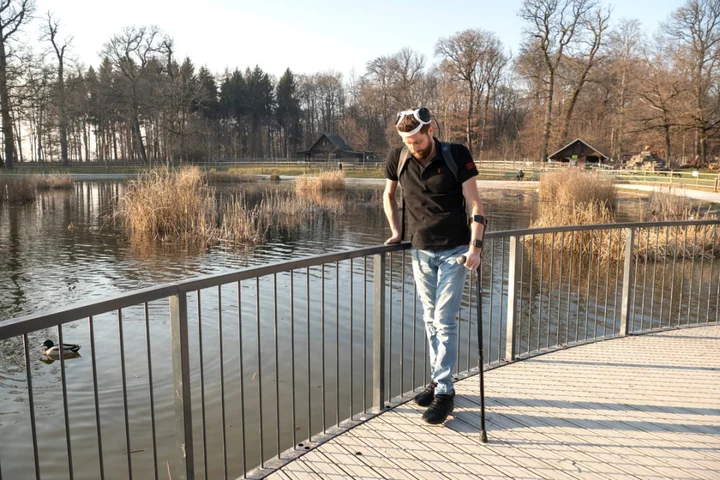
New brain technology helps paralysed man with severe spine injury walk again
A man paralysed in a bicycle accident more than a decade ago has regained the ability to stand and walk naturally, using technology developed by researchers in Switzerland. Neuroscientists at the Ecole Polytechnique Federale de Lausanne (EPFL) have created what they call a “wireless digital bridge” which is able to restore the connection lost between the brain and the spinal cord. This digital bridge is a brain–spine interface which allows Gert-Jan Oskam to regain control over the movement of his legs, enabling him to stand, walk and even climb stairs. The team said their technology also enabled Mr Oskam to recover some of the brain function he had lost since his accident, where he was able to show motor skills when the digital bridge was turned off. According to the researchers, this “digital repair of the spinal cord suggests that new nerve connections have developed”. Mr Oskam, 40, an engineer from the Netherlands, was living and working in China when he had a cycling accident in 2011. He injured his spinal cord and lost movement in his legs. Neurosurgeon Jocelyn Bloch, who is a professor at the EPFL, said: “When we met Gert-Jan, he was unable to take a step after a severe spinal cord injury.” Gregoire Courtine, a professor of neuroscience at the EPFL, said: “To walk, the brain must send a command to the region of the spinal cord responsible for the control of movements. For the first time after 10 years (I was able) to stand up and have a beer with some of my friends, so that was pretty cool Gert-Jan Oskam “When there is a spinal cord injury, this communication is interrupted. “Our idea was to re-establish this communication with a digital bridge – an electronic communication between the brain and the region of the spinal cord that is still intact and can control the leg movements.” Mr Oskam underwent two surgeries to implant electrodes in the brain and the spinal cord to make the digital bridge. The technology uses artificial intelligence to convert movement thoughts into actions, establishing a direct link between the brain and spinal cord regions involved in walking. Prof Courtine said: “For the first time this digital bridge bypasses an injury, restoring the communication between two regions of the central nervous system that are disconnected.” The team said their findings, published in the journal Nature, establish a framework where natural control of movement can be restored after paralysis. Mr Oskam said he is able to walk at least 100 metres or more, depending on the day. He is also able to walk on crutches, when the implant is switched of, raising hope that technologies such as these could restore lost nerve function. Prof Courtine said: “What we observed is a digital repair of the spine, a recovery of neurological function that he has lost for many years.” Mr Oskam said: “For the first time after 10 years (I was able) to stand up and have a beer with some of my friends, so that was pretty cool.” Read More Charity boss speaks out over ‘traumatic’ encounter with royal aide Ukraine war’s heaviest fight rages in east - follow live Meta Ireland to cut about 490 jobs Netflix begins crackdown on password sharing in the UK and US Netflix begins sending emails to UK customers about account sharing
2023-05-24 23:23
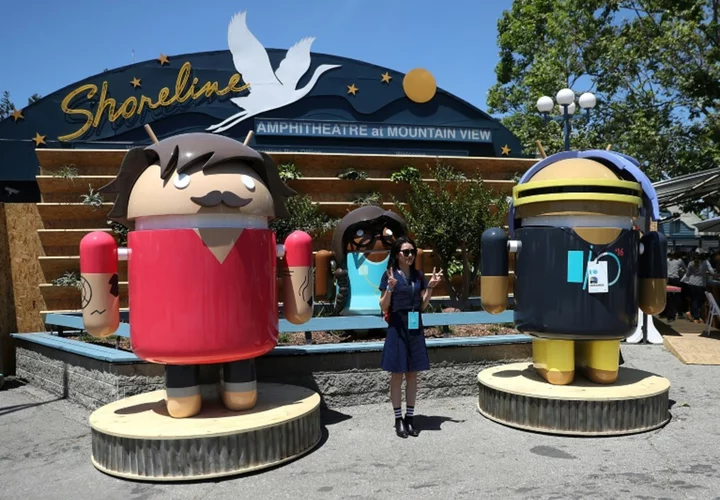
Google to show off AI and Pixel gadget innovations
Google is expected to enrich its popular online services with more artificial intelligence on Wednesday as it scrambles to catch up with rival Microsoft despite fears that...
2023-05-10 13:20
You Might Like...

Blackboxstocks Joins Forces with GoNoGo Charts to Provide the Ultimate Trend Indicator for Traders
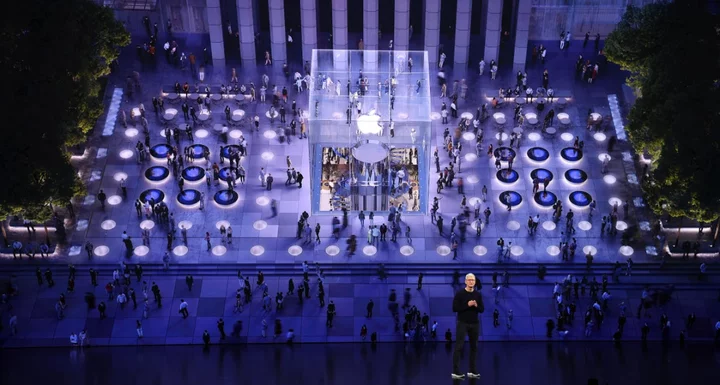
Ex-Apple engineer charged with stealing company’s self-driving car technology

Curt Wood Appointed Executive Director of 2023-2024 Cybersecurity Priorities Report
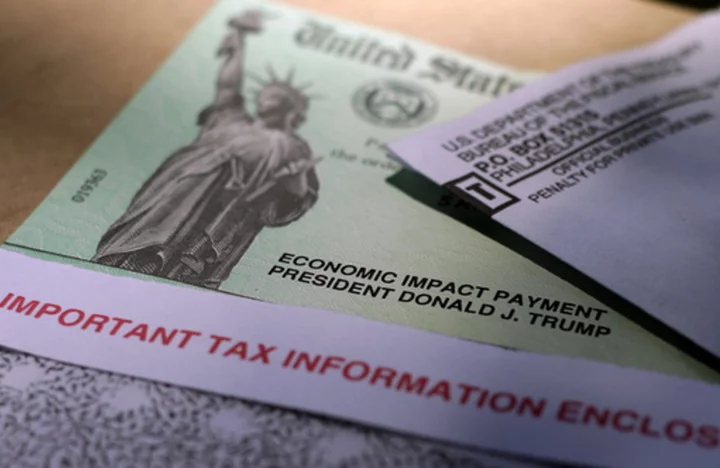
Cases of check fraud escalate dramatically, with Americans warned not to mail checks if possible
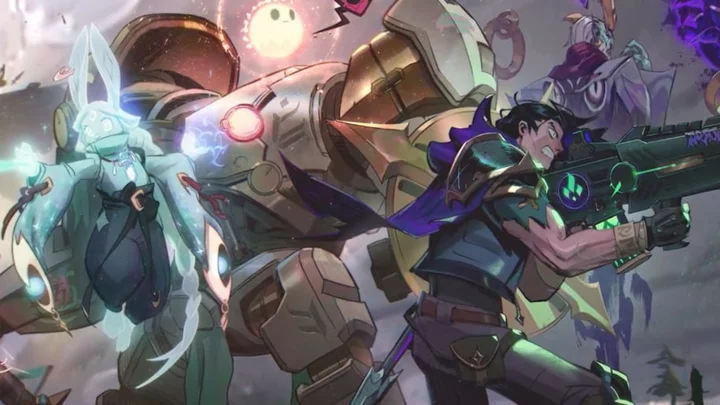
How to Sign Up for Project Loki Playtest
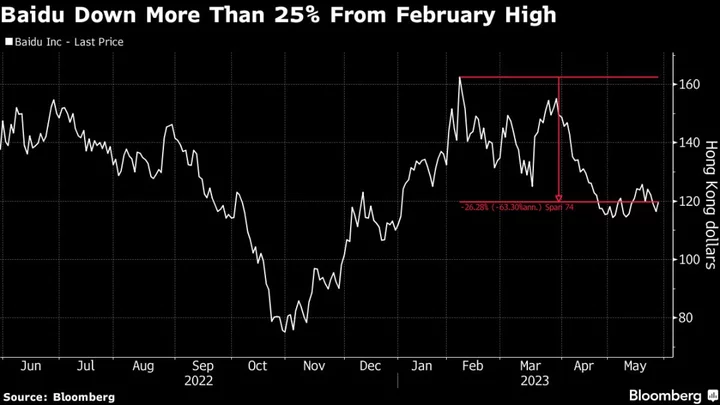
Baidu Shares Jump as Ernie Bot Progress Rekindles AI Bets
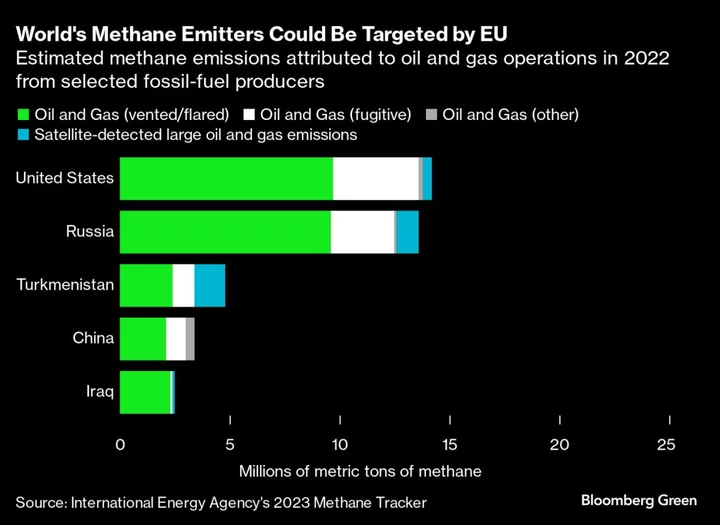
Europe Warns Methane Polluters as Bloc Pushes to Slash Emissions
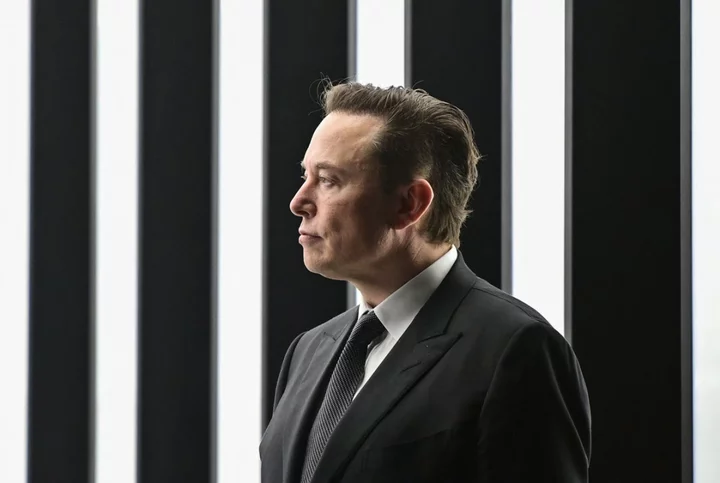
Elon Musk became ‘anti-woke’ because of his daughter’s gender transition, book claims