
AI Is the Real Deal for Investors—if You Understand It. Our Roundtable Is Here to Help.
Five experts discuss the opportunities and risks around artificial intelligence—and the companies most likely to lead the way.
2023-08-18 13:55
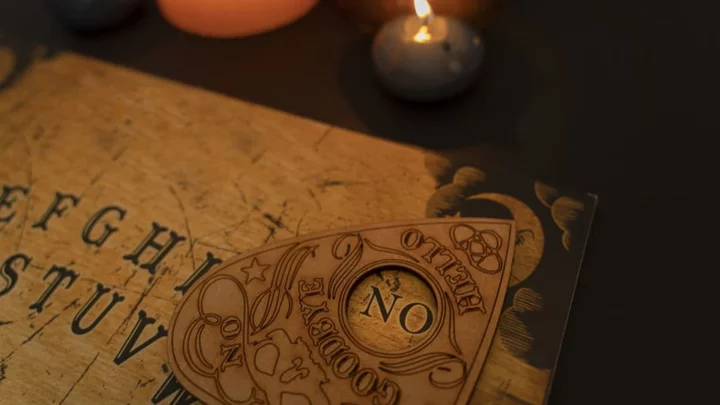
A Brief History of the Ouija Board
The Ouija board has terrified countless slumber party children and served as a plot vehicle in a number of Hollywood films. Here’s where it came from.
2023-10-05 05:50
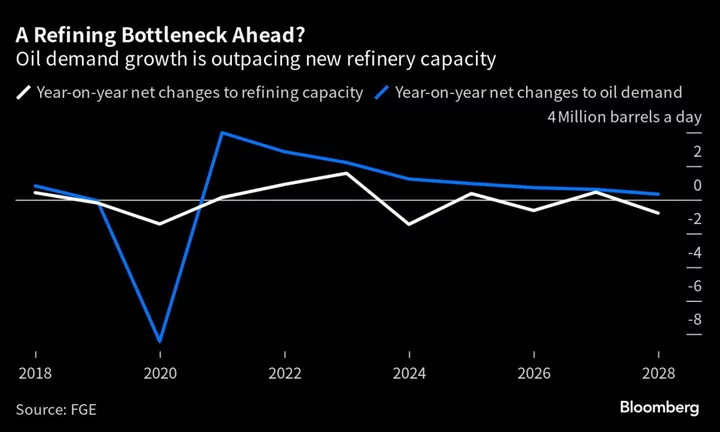
A Crunch in Key Corner of Oil Market Leaves Consumers Vulnerable to Heat and War
Refining, long one of the more predictable corners of the oil market, is caught in a climate bind.
2023-09-18 12:21

Flood Situation Eases in Delhi as Yamuna River Water Recedes
Flooding across New Delhi is gradually receding and the overflown Yamuna river, which cuts across India’s capital, could
2023-07-15 14:25

Legislation needed to protect data from AI ‘ghostbots’, say researchers
Lack of data protection laws in the UK could see an increasing problem of AI “ghostbots” made from people’s digital footprints, new research from Queen’s University Belfast has suggested. “Ghostbot” is a term used to describe what happens when artificial intelligence is used to create digital reincarnations of the dead. The technology used to create this includes chatbots, deepfakes or holographs that can replicate the voice, face and even personality of a dead person using data from social media. 'Ghostbots' lie at the intersection of many different areas of law, such as privacy and property, and yet there remains a lack of protection for the deceased’s personality, privacy, or dignity after death Dr Marisa McVey, Queen’s University Belfast As the concept of digital reincarnation moves into the mainstream, celebrities are beginning to showcase the capabilities of such technology, for example, a hologram of the late Robert Kardashian created using deepfake technology was gifted to Kim Kardashian by Kanye West in 2020, which used her father’s likeness and spoke in his voice. A research study titled Governing Ghostbots from Queen’s University Belfast, Aston Law School and Newcastle University Law School, has suggested that greater societal awareness of “ghostbots” and a “do not bot me” clause in wills and other contracts could prevent people from being digitally reincarnated without permission. The research looked at potential legal avenues to protect privacy (including post-mortem privacy), property, personal data, and reputation. Dr Marisa McVey from the School of Law at Queen’s University Belfast said there was a lack of protection for people’s privacy or dignity after death. Currently, in the absence of specific legislation in the UK and further afield, it’s unclear who might have the power to bring back our digital persona after we die Dr Marisa McVey, Queen’s University Belfast “’Ghostbots’ lie at the intersection of many different areas of law, such as privacy and property, and yet there remains a lack of protection for the deceased’s personality, privacy, or dignity after death,” she said. “Furthermore, in the UK, privacy and data protection laws do not extend to heirs after death,” she said. “While it is not thought that ‘ghostbots’ could cause physical harm, the likelihood is that they could cause emotional distress and economic harm, particularly impacting upon the deceased’s loved ones and heirs. “Currently, in the absence of specific legislation in the UK and further afield, it’s unclear who might have the power to bring back our digital persona after we die.” In the US and EU there is increasing momentum to legislate on who has ownership over a person’s digital identity, for example the EU AI Act which requires greater transparency for deepfakes and chatbots. In the absence of legislation in the UK, one way to protect our post-mortem selves might be through the drafting of a legally binding ‘do not bot me’ clause that could be inserted into wills and other contracts while people are still alive Dr Marisa McVey, Queen’s University Belfast Dr McVey has suggested that in addition to more formal legislation, an increased understanding of the phenomenon of “ghostbots” could help people to protect their data. “In the absence of legislation in the UK, one way to protect our post-mortem selves might be through the drafting of a legally binding ‘do not bot me’ clause that could be inserted into wills and other contracts while people are still alive,” she said. “This, combined with a global searchable database of such requests, may prove a useful solution to some of the concerns raised by ‘ghostbots’. “We also suggest that in addition to legal protections, greater societal awareness of the phenomenon of ‘ghostbots’, education on digital legacies and cohesive protection across different jurisdictions is crucial to ensure that this does not happen without our permission.” The research was a part of the Leverhulme Trust-funded project Modern Technologies, Privacy Law And The Dead. Read More Charity boss speaks out over ‘traumatic’ encounter with royal aide Ukraine war’s heaviest fight rages in east - follow live Banking app feature allows economic abuse survivors to mute malicious messages Augmented reality headset Vision Pro is ‘most advanced device ever’ – Apple Revealed: The delivery apps charging you double for your food shop
2023-06-07 00:23

Tokyo Households Are Again Being Urged to Save Electricity
Tokyo’s residents are again being urged to conserve power to avoid shortages, as the nation continues to grapple
2023-06-09 11:22

North Korea Says Satellite Launch Failed, Will Try Again Soon
North Korea confirmed that its effort to launch a military spy satellite into orbit failed, and said it
2023-05-31 08:52
Steve Cohen-Backed 24 Exchange Shuts Down Spot Crypto Product Citing Weak Demand
A trading platform that raised millions of dollars in a round backed by Steve Cohen’s Point72 Ventures is
2023-06-23 08:55
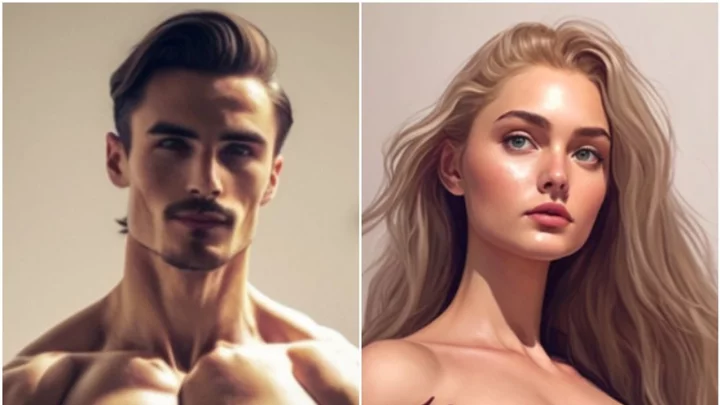
This is what the 'perfect' man and woman look like, according to AI
Artificial intelligence has unrealistic and often dangerous ideas of what the “perfect” man and woman look like, according to a new study. Chiselled features, olive skin and eight-pack abs are among the features that kept cropping up when three leading AI image generators were tasked with creating “ideal” male and female bodies. The challenge was put to the popular programmes Dall-E 2, Stable Diffusion, and Midjourney by eating disorder awareness group the Bulimia Project, which separated its request into two parts. First up, it asked the generators to come up with pictures of men and women based specifically on beauty standards set by social media. Sign up for our free Indy100 weekly newsletter Although it churned out quite a few different options, it showed a number of noticeable biases. Nearly all of the images featured petite women – with Midjourney named as the worst culprit – and all of the men looked like photoshopped versions of bodybuilders. The three AI favoured women with blonde hair and men with brown hair, and nearly half of the male images had facial hair. After analysing their findings based on social media, the Bulimia Project team broadened the scope of the task. This time, they asked the programmes to base their creations on images from across the internet. The main difference between the two categories was that the social media set was “far more sexually charged”, according to the study’s authors. The social media images also featured “largely disproportionate body parts”, which the Bulimia Project described as “unsettling”. “We can only assume that the reason AI came up with so many oddly shaped versions of the physiques it found on social media is that these platforms promote unrealistic body types, to begin with,” it said. “In the age of Instagram and Snapchat filters, no one can reasonably achieve the physical standards set by social media. So, why try to meet unrealistic ideals? It’s both mentally and physically healthier to keep body image expectations squarely in the realm of reality.” Have your say in our news democracy. Click the upvote icon at the top of the page to help raise this article through the indy100 rankings.
2023-05-21 15:46
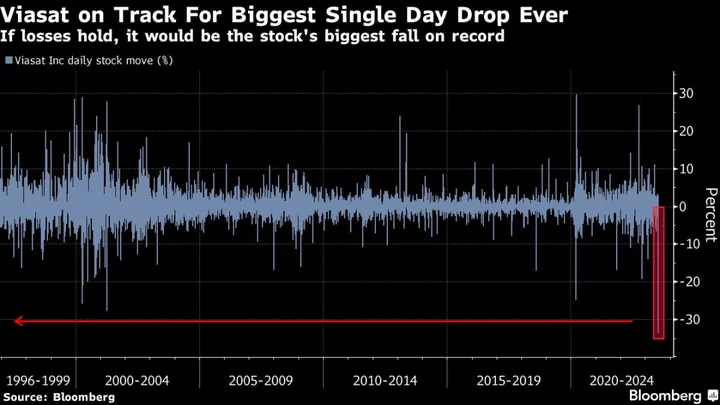
Satellite Firm Viasat Stock Falls After ‘Unexpected’ Deployment Event
Viasat Inc. shares fell as much as 36% Thursday, on track for a record drop if losses hold,
2023-07-13 22:28
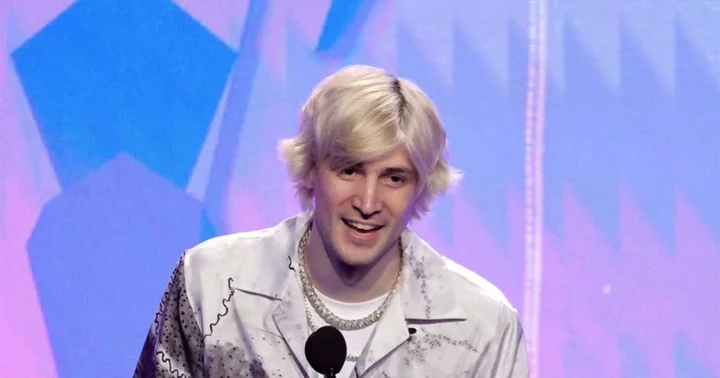
'Insane levels of luck': Internet baffled over xQc's $1.2M win during 'Double Rainbow' gambling stream
In June 2022, xQc made headlines by amassing an astounding $2.47 million in winnings during a Twitch stream
2023-09-06 15:22
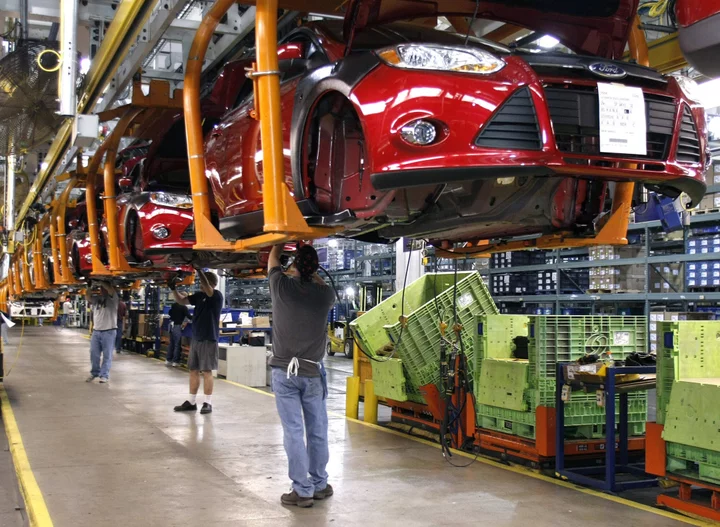
US Providing Up to $12 Billion to Retrofit Auto Plants for EVs
The US Energy Department is making up to $12 billion available for automakers to retrofit their facilities to
2023-09-01 00:18
You Might Like...

KSI addresses Jake Paul's victory over UFC legend Nate Diaz: 'performance was terrible'

New Delhi Sees Wettest July Day in Decades as Rains Lash Region

Chip Heavyweight Hynix’s Revenue Beats as AI Lifts Memory Demand
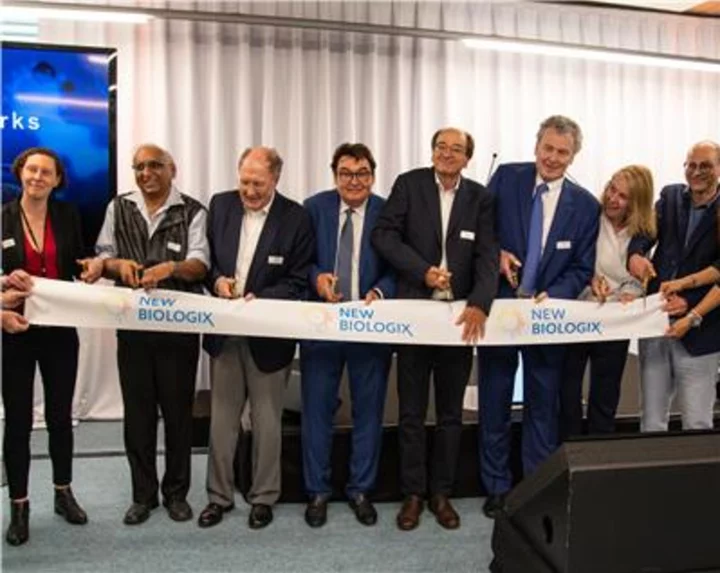
NewBiologix Launches with $50M to Advance Novel Technology Platform for the Manufacturing of Gene and Cell Therapies
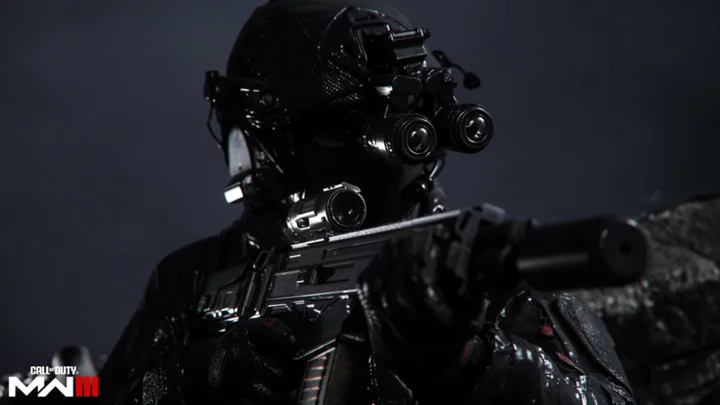
What is Tactical Stance in Modern Warfare 3?

New AI tool lets you reshape images by clicking and dragging
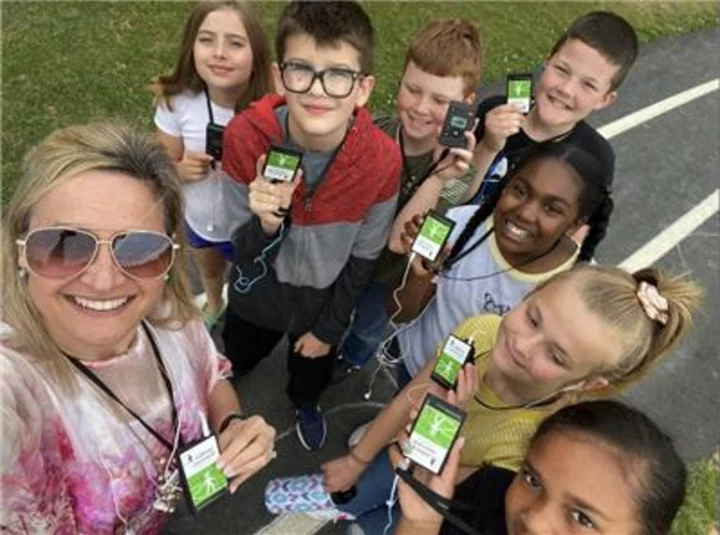
JCPenney Announces $300,000 Commitment to Alliance for a Healthier Generation

T-Mobile Donates $50,000 to Nonprofit Organizations in Puerto Rico and The USVI