
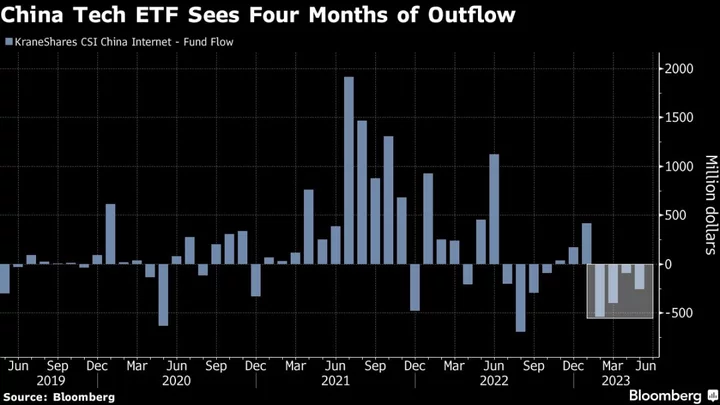
China Tech Megacaps in a Funk Despite Upbeat Sales: Tech Watch
Slowdown fears are weighing on Chinese tech stocks and even upbeat sales figures from the industry’s bellwethers can’t
2023-05-19 22:29
Amazon to Invest Up to $4 Billion in AI Start-Up Anthropic. It’s a Warning to Big Tech Rivals.
Amazon’s cloud customers will get early access to Anthropic’s technology through Amazon Bedrock, the company’s generative AI platform for businesses.
2023-09-25 17:54
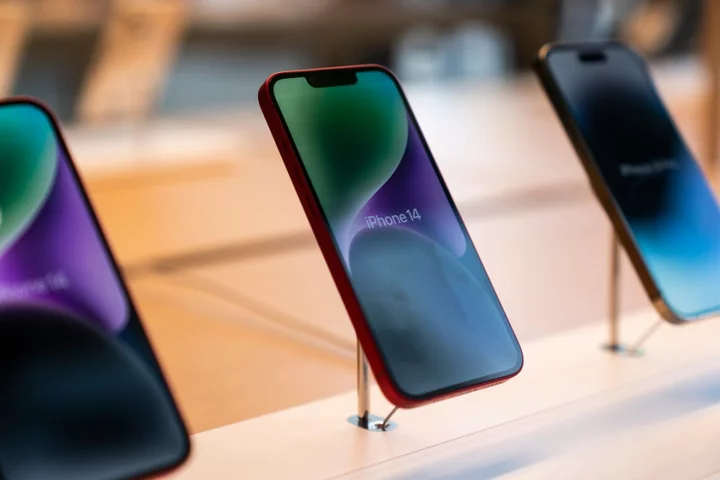
iOS update: iPhone users urged to install new software immediately after powerful security hole found
iPhone users have been urged to download a new update immediately. The update was pushed out by Apple to iPhones and iPads after a major security vulnerability was found in the devices. Patching up that hole with the new software update should keep those devices safe. But without it, attackers could break into an iPhone and spy on its user. The security issue was found by researchers at the University of Toronto’s Citizen Lab. They said the problem was being “actively exploited” by hackers, and that all users should update immediately. They were doing so by delivering commercial software called Pegasus, which is made and sold by Israeli company the NSO Group. That software is expensive and targeted, and has primarily been used on specific activists, journalists and politcians, who are likely to know if they are at particular risk of an attack. The latest attack was used on the iPhone of a member of staff at a US civil society organisation with international offices, Citizen Lab said. It named the new exploit BLASTPASS and said that it did not even require users to click anything on their device. The NSO Group and Apple have in recent years been engaged in a long-running fight to find and fix security flaws that could allow for the delivery of that software. Recent iPhone updates brought a new “Lockdown Mode” that places extra restrictions on the device in an attempt to close up potential security flaws. That includes not downloading images that could include spyware, for instance – which is how attackers deliver the hack in this most recent scare. Downloading the new update is simple. It is done through the Settings app on iPhones and iPads, by clicking the “general” and then “software update” options – that will check for any new updates, and offer the option to download it. Phones may eventually automatically install the new operating system, which could mean that no download shows up in that screen. Users can check if they have already updated to the new, patched operating system by clicking the “about” option in the general settings, and looking whether they have the newest iOS 16.6.1. Similar updates are available for Macs and Apple Watches, and are installed in much the same way. Citizen Lab also advised that anyone “who may face increased risk because of who they are or what they do” should switch on Lockdown Mode. Apple confirmed that would block the new attack, researchers said. Read More Apple is dropping leather from iPhone cases and Watch bands, report claims Apple is about to make a huge change to the iPhone that it never wanted to do Here’s when you will actually be able to get the new iPhone
2023-09-08 20:22

'Stealing people's money': Internet slams Pumpkin's 'cheap a**' stunt as 'Mama June' star calls customer 'b***h' and refuses to refund amount
'Mama June' star Pumpkin was brutally slammed on social media after she refused to refund her customer and called her a 'b***h' during a live session
2023-05-17 11:27

Fiji and Australia boost cyber security cooperation
SYDNEY Fiji and Australia will cooperate on cyber security, with Australia also boosting aid to its Pacific Islands
2023-10-18 09:49
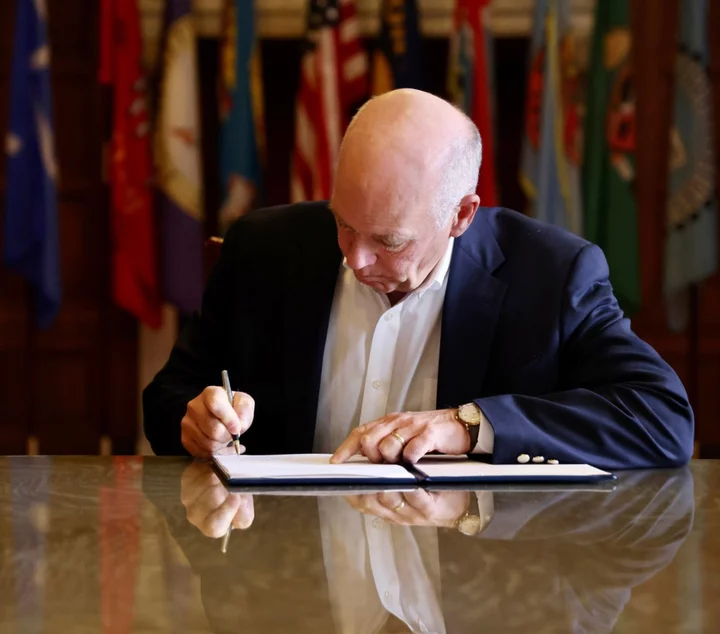
Montana TikTok ban ‘unconstitutional’ and ‘impossible to enforce’
Montana has become the first US state to announce an outright ban of TikTok, however questions have been raised about both the legality and the practicality of the new law. State legislators signed the bill into law on Wednesday, making it illegal for TikTok to operate in the state from January 2024. Some claim such a ban is unconstitutional, as it challenges the First Amendment right to freedom of speech and the press, while others note that it would be “impossible” to enforce. “Montanans are indisputably exercising their First Amendment rights when they post and consume content on TikTok,” Jameel Jaffer, executive director at the Knight First Amendment Institute at Columbia University, told The Independent. “Because Montana can’t establish that the ban is necessary or tailored to any legitimate interest, the law is almost certain to be struck down as unconstitutional.” Montana’s 200,000 TikTok users will not face any repercussions for using the app, however TikTok and other companies face a $10,000 daily fine for each time someone accesses the app or is “offered the ability” to download it. Apple and Google have not spoken out against the law, but a representative for TechNet, the trade group that counts the two tech giants as its members, has said app stores don’t have the ability to “geofence” apps in different states and it would be impossible to prevent TikTok from being downloaded in Montana. The group has also said the responsibility should be on an app to determine where it can operate, not an app store. Telecoms analyst Roger Entner, of Recon Analytics, said he believes the app stores could have the capability to enforce the law, but it would be cumbersome to implement and full of loopholes. Apple and Google’s address-linked billing could be bypassed with prepaid cards and IP geolocation easily masked by using a VPN service, which can alter IP addresses and allows users to evade content restrictions, said mobile security expert Will Strafach, the founder of Guardian, which makes a privacy protection app for Apple devices. Oded Vanunu, head of products vulnerability research at the cyber security firm Check Point, agreed it would be difficult for app stores to isolate a single state from downloading an app. He suggested it would be more feasible for TikTok to comply since it controls the software and can “adjust the settings based on the geographical location or IP addresses” of users. TikTok could technically block any people from Montana using the app by tracking their location, and disable the app if they are within a certain area, however this type of restriction can be easily bypassed with VPN technology. A legal battle is likely to follow, with TikTok hinting that a legal challenge will be launched in the coming weeks and months. A spokesperson said: “We want to reassure Montanans that they can continue using TikTok to express themselves, earn a living, and find community as we continue working to defend the rights of our users inside and outside of Montana.” Additional reporting from agencies Read More TikTok ban in numbers: Charting the controversial rise of the world’s most popular app Shou Chew: How a Facebook intern became the boss of TikTok
2023-05-18 18:49
India cenbank asks LSEG to explain forex system outage - source
MUMBAI The Reserve Bank of India has sought an explanation from financial technology and data provider LSEG about
2023-11-10 20:56
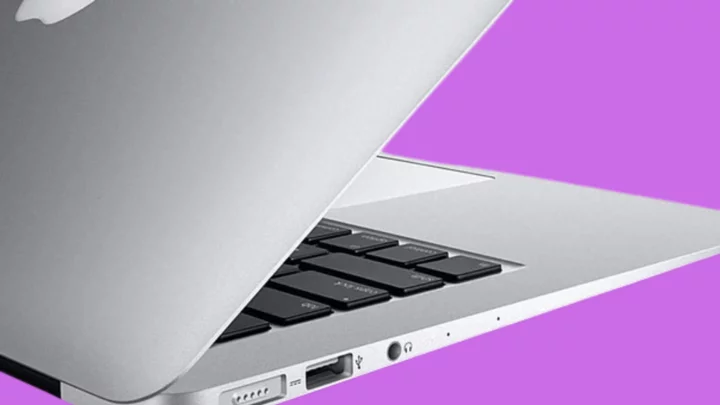
Over 65% off: Refurbished MacBook Air for just $369.99
TL;DR: As of September 15, you can get a refurbished 13.3" MacBook Air for just
2023-09-15 17:56

What happened to xQc? Kick streamer reveals he went to doctor, concerned fans say 'try stretching and exercising'
xQc said, 'My shoulder clicks in, and when I do it again it doesn’t, so it’s like in place right'
2023-07-23 12:17

Most Likely to Create the Best Yearbooks: Picsart and Walsworth Partner to Bring the Internet’s Favorite Tools to Schools
MIAMI--(BUSINESS WIRE)--Aug 10, 2023--
2023-08-11 03:24
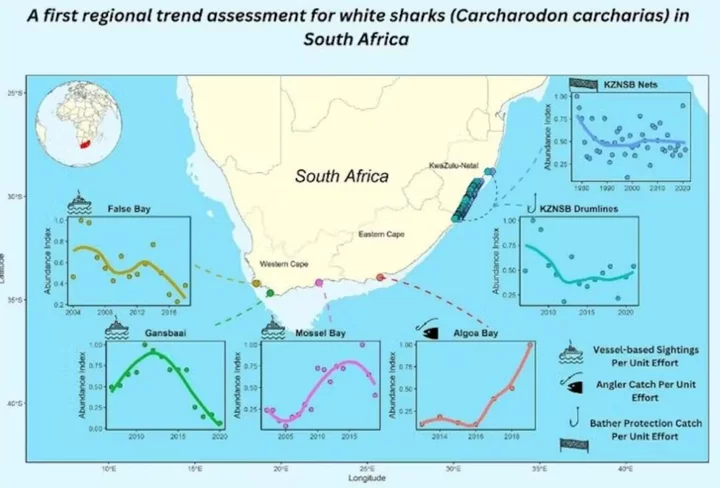
South Africa Told to Boost Beach Safety As Great White Sharks Move East
An eastward shift by one of the world’s biggest populations of great white sharks is increasing the need
2023-09-14 17:28

What's new in robots? An AI-powered humanoid machine that writes poems
Robots are on display at the International Conference on Robotics and Automation in London, where visitors can get a glimpse of the future
2023-05-31 01:48
You Might Like...

Gaming Handhelds, Folding Purse Phones, and Robot Vacs Galore Represent the Best of IFA 2023

John Roberts doesn't want race to matter as he ends affirmative action for college admission programs
How to unblock Google Bard for free

RBC says resolving display issue with online, mobile banking

Gamers, assemble: The Valve Steam Deck is on sale for up to 20% off

Musk says his cage fight with Zuckerberg will be streamed on X
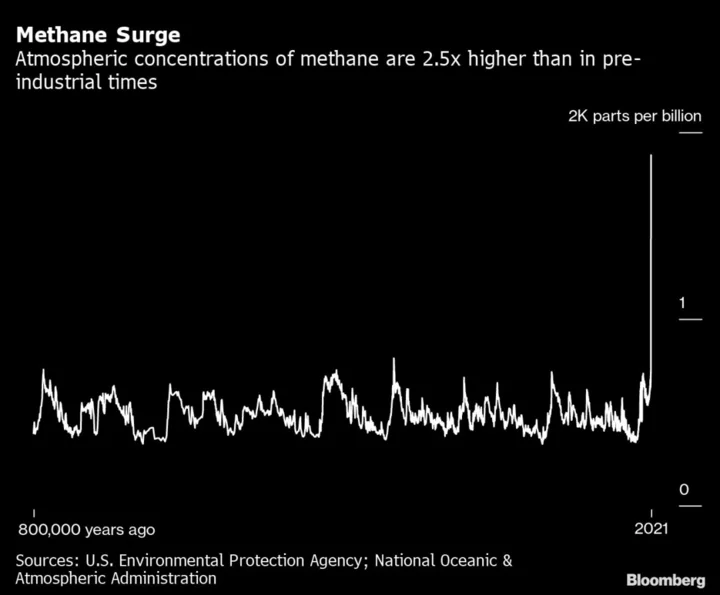
Immediate Methane Cuts Can Prevent Nearly a Million Premature Deaths, IEA Says

Llama 2: What to know about Meta's ChatGPT competitor