

Bruker Introduces Novel 4D-Proteomics™ timsTOF® Capabilities
BUSAN, South Korea--(BUSINESS WIRE)--Sep 18, 2023--
2023-09-18 19:21

Align Technology Introduces New Software Innovations Designed to Accelerate Digital Practice Transformation
LAS VEGAS & PETACH TIKVA, Israel & SAN JOSE, Calif. & TEMPE, Ariz..--(BUSINESS WIRE)--Sep 6, 2023--
2023-09-07 04:27

New Delhi Sees Wettest July Day in Decades as Rains Lash Region
India is facing the prospect of further torrential rainfall across swathes of the country over the coming days,
2023-07-10 20:23

Apple unveils its first carbon neutral products
CUPERTINO, Calif.--(BUSINESS WIRE)--Sep 12, 2023--
2023-09-13 02:55
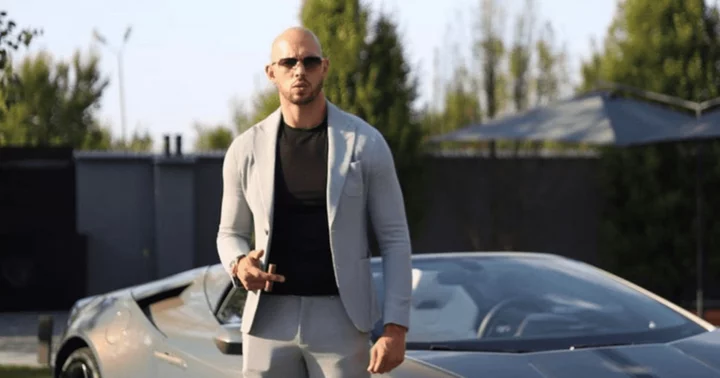
What happened to Andrew Tate? Top G's training video shows disturbing whip scars on his back, fans say ‘true warrior mindset’
Andrew Tate believes that he has 'lived a life of pain to achieve the impossible' and that he struggles every day
2023-07-04 15:55

Who Voices J. Jonah Jameson in Spider-Man 2?
Find out who voices the most popular news reporter in the Marvel world here.
2023-10-21 05:54
Renault sets out targets for EV unit, says won't sell it cheap
By Gilles Guillaume PARIS (Reuters) -French car maker Renault said on Wednesday its electric vehicles unit Ampere, which it plans
2023-11-15 14:57
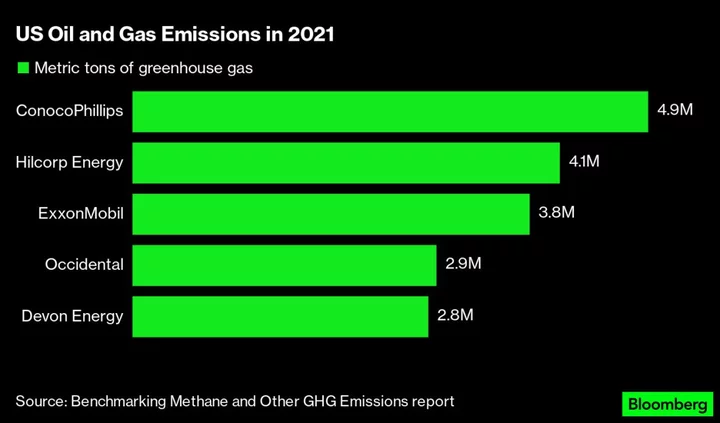
Intensity of Methane Emissions by Oil and Gas Industry Declined: Report
The intensity of methane emissions from oil and gas production fell 28% between 2019 and 2021 among the
2023-05-23 18:23
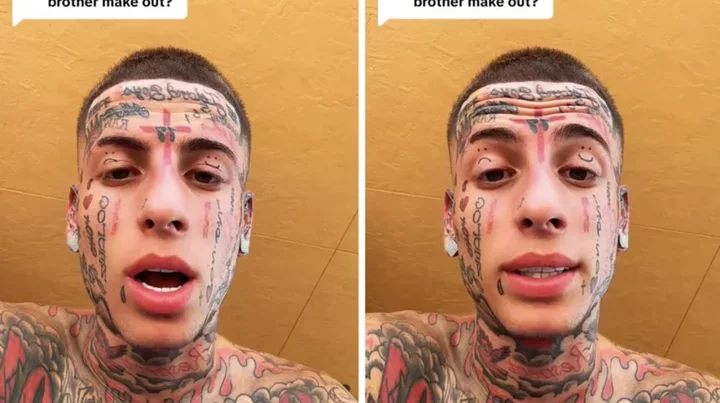
Controversial influencers the Island Boys say mum ‘doesn’t care’ they do OnlyFans
Controversial sibling influencers the Island Boys say their mother “doesn’t care” that they kiss each other on OnlyFans. The identical twin brothers caught the attention of internet users last month after a disturbing clip emerged showing them kissing each other. Brothers Kodiyakredd (Franky Venegas) and Flyysoulja (Alex Venegas) shared the clip to promote their newly created OnlyFans account but were instantly hit with backlash from disturbed viewers. In response to the criticism, the pair claimed it was not “that big of a deal” and “really not disgusting” because they’re twins. Now, Flyysouljah has also commented on fans concerns about what their mother thinks, claiming that she “doesn’t care”. In a TikTok clip, he said: “My mom doesn’t care. My mom is proud of me, that I’m successful. I get to take very good care of her. I’m about to give her $10,000 to go invest in her own business.” @flyysouljah Replying to @Mrcalifornia7 #flyysoulja #fyp #islandboys #kodiyakredd He added: “So, she’s proud of me. I bought her an apartment, a car. She doesn’t really care what I do in my personal life, to be honest with you.” The video has been viewed almost one million times, but some fans weren’t buying that their mother did not care at all and questioned his dignity. One TikToker commented: “His mum definitely doesn’t know cuz if she does that’s WILD.” Someone else argued: “Bro your dignity shouldn't have a price tag. There's more to life than money.” Another said: “I would rather my mother cared.” Sign up to our free Indy100 weekly newsletter Have your say in our news democracy. Click the upvote icon at the top of the page to help raise this article through the indy100 rankings.
2023-09-07 21:25
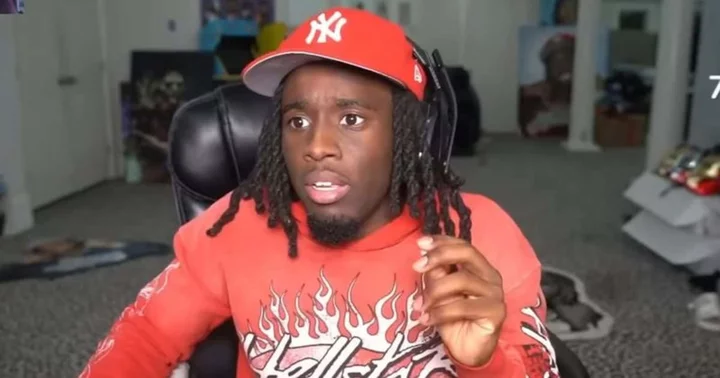
Kai Cenat claims to settle fellow streamers’ anger on Twitch management: 'Let’s sit down’
As one of Twitch's most prominent streamers, Kai Cenat put forward an original resolution during his live stream
2023-06-11 17:48

Save over £120 on the Google Pixel Watch this Prime Day
TL;DR: The Google Pixel Watch is packed with tech and apps to perfectly fit modern
2023-07-11 22:57

This children's hospital is integrating AI with healthcare
Much as hospitals became major vectors for the spread of COVID in early 2020, hospitals
2023-06-01 17:52
You Might Like...

Google Will Now Ship Weekly Chrome Security Updates
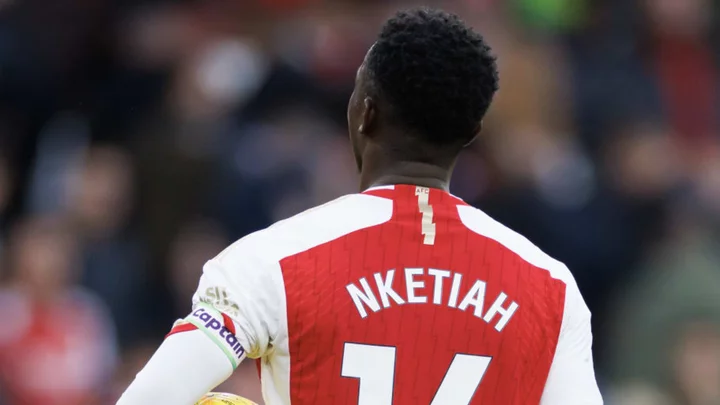
EA Sports FC 24 Team of the Week 7 Looks Massive Based on Predictions

Red Tape Holding Up $18 Trillion Needed for 2030 Climate Goals

New Twitter boss says ‘game on’ over Instagram clone rumours

Google in last ditch effort to overturn $2.6 billion EU antitrust fine
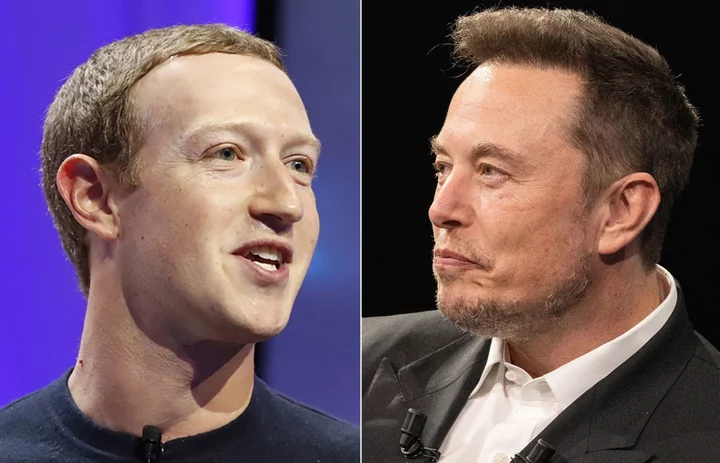
Zuckerberg Says ‘Time to Move On’ From Musk Cage Fight Challenge
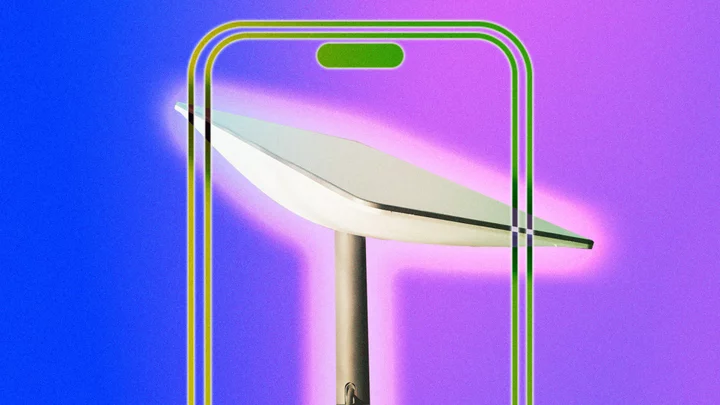
A Complete Guide: How to Use the Starlink App
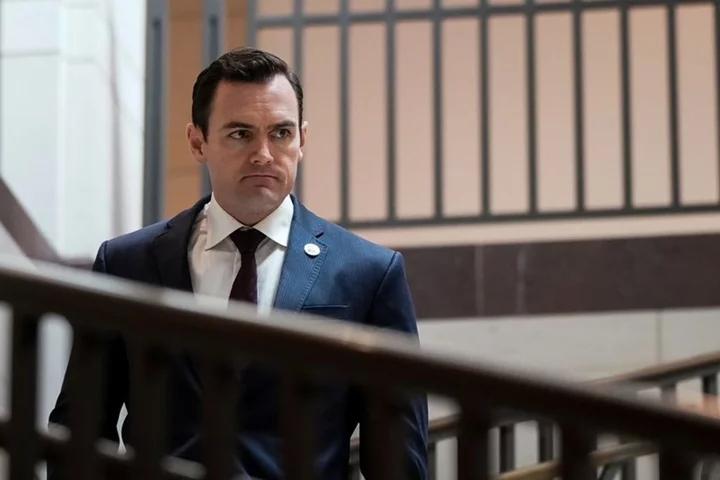
Exclusive-After Micron ban, Chinese chip firm CXMT should go on U.S. trade blacklist, top lawmaker says