
Threads is already more than three times bigger than every Twitter rival combined
Mark Zuckerberg’s Threads app has become the leading Twitter competitor within hours of launching, attracting three times as many users as all other rivals combined. Parent company Meta, which also controls Facebook and Instagram, saw 22 million people sign up to its latest app offering within 12 hours of releasing it on Thursday. The text-based social media app is designed to offer an alternative to Twitter, which has been blighted with issues and controversies since Elon Musk took it over last year. Other Twitter rivals, including Donald Trump’s Truth Social, are yet to reach a critical mass to make them serious contenders in the space. The former US president’s app has around 2 million monthly active users, while Bluesky, Mastodon, Parler and Tribel have an estimated 4.5 million users combined. It took Twitter roughly three years to reach the number of users that Threads achieved in its first day, however Mr Musk’s app still has more than 10-times the number of active users. Thread’s user growth puts it in line to become the fastest growing app of all time, with no other launch seeing as many users sign up in a single day. Early adopters of Threads include singer Jennifer Lopez, NFL star Tom Brady and adventurer Bear Grylls. Despite this success, it remains a long way off the number of Twitter users, which had an estimated 330 million monthly active users in the first half of the year. It is unclear how many of the new Threads users were already Twitter users, and whether they will make the switch permanently if they were regular users of Mr Musk’s platform. Some analysts believe Threads could potentially become the most popular text-based social media app, given that it arrives at a time of growing dissatisfaction with Twitter among some users. “Threads looks set to be the Twitter killer, and comes at the worst possible time for Elon Musk’s doomed social network,” said Drew Benvie, chief executive of consultancy firm Battenhall. “The long anticipated alternative to Twitter will offer Instagram’s two billion users a more reliable and useful way of using social media that Twitter used to do so well. But with Twitter becoming more unreliable, costly and unsafe than ever, I expect users will vote with their fingers.” Read More Threads: What is it, can it rival Twitter and what are the risks? Watch live: Robots take part in UN discussion on AI in healthcare Threads: What it’s like to use Instagram’s new Twitter rival Meta’s new Twitter rival app Threads gets over 10 million sign-ups
2023-07-06 22:48
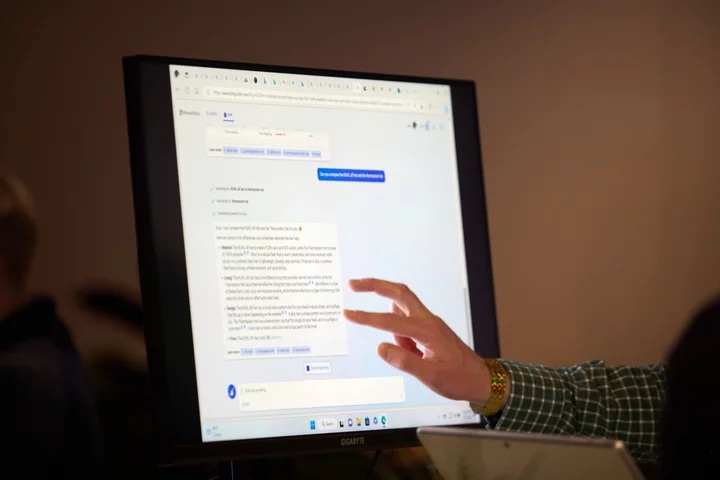
Microsoft Is Bringing OpenAI’s GPT-4 AI model to US Government Agencies
Microsoft Corp. will make it possible for users of its Azure Government cloud computing service, which include a
2023-06-07 21:23

Paige Spiranac displays skill in 'updated distance video', impressed fans say 'you're perfect in every way’
Paige Spiranac said, 'I've been lifting, I feel strong, and I've been kind of working on my game a little bit'
2023-07-01 18:20

Sony Music, Triller end copyright case over platform's music use
By Blake Brittain Sony Music Entertainment has dropped a lawsuit against Triller over allegations the short-form video platform
2023-08-15 00:58
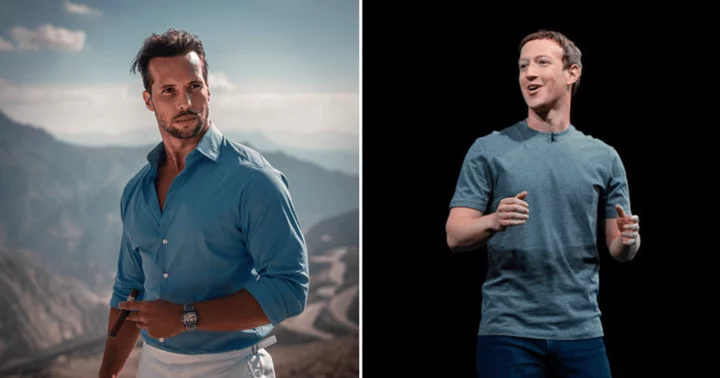
Tristan Tate accuses Mark Zuckerberg of double standards, demands clarity on his banishment, fans say 'you’re not in their little pervert club'
After Tristan Tate's sarcastic remark directed at Zuckerberg, numerous Twitter users joined in to share their own opinions on the matter
2023-07-03 18:18

Faraday Future investors commit $90 million in funding
Faraday Future Intelligent Electric has received $90 million in funding commitment from its existing investors, the electric-vehicle startup
2023-06-28 01:22
Synopsys names insider Ghazi as CEO, forecasts stronger fourth quarter
By Jaspreet Singh and Max A. Cherney Chip design software company Synopsys on Wednesday named 25-year-veteran Sassine Ghazi
2023-08-17 06:18

Biden administration proposes new rule to prevent students from incurring crippling debt at for-profit colleges
The Biden administration proposed a new rule Wednesday meant to prevent students from taking on an unaffordable amount of student loan debt to attend for-profit colleges and certificate programs at nonprofit colleges.
2023-05-18 07:19
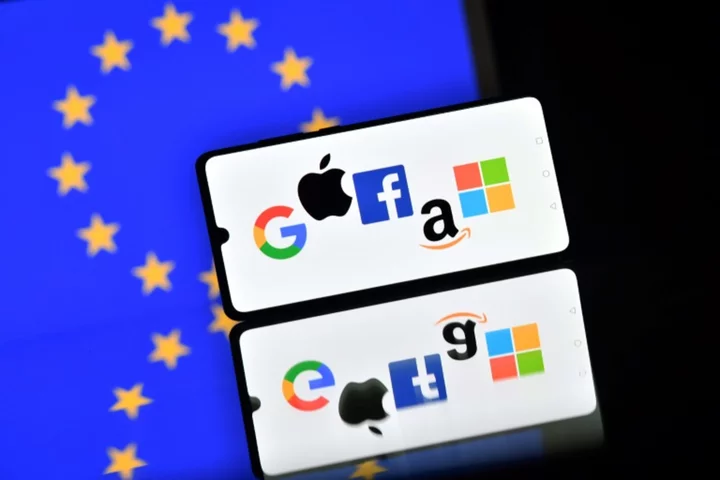
Tech titans prepare for EU's tougher market restraints
The EU will reveal Wednesday which of the world's tech behemoths face stronger curbs from next year under a law that will shake up how major players like...
2023-09-06 11:21
Chinese EV maker Nio invests in nuclear fusion startup
SHANGHAI Chinese electric vehicle maker Nio has invested in a startup firm that is developing fusion technologies, according
2023-05-19 14:59

VTEX appoints Silvia Mazzucchelli to join its Board of Directors
NEW YORK--(BUSINESS WIRE)--Jul 17, 2023--
2023-07-17 20:20
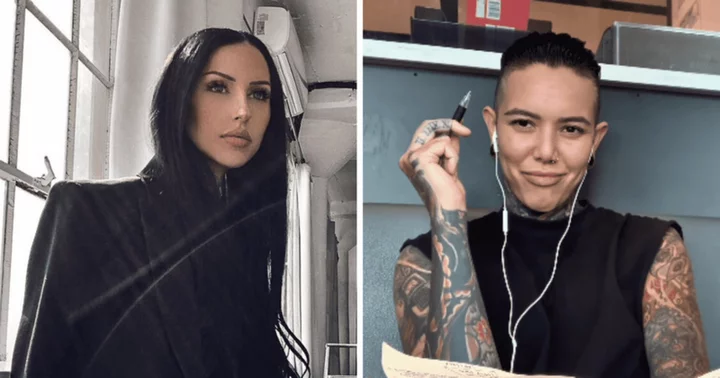
Who is Lisa Brezinski? Fans mourn Adonis Beck aka Pope the Barber's death as TikTok star's former partner pays tribute
'You changed millions of people's lives with your bright light and love. You were unlike anyone I’ve ever met,' Lisa Brezinski wrote
2023-08-13 17:46
You Might Like...
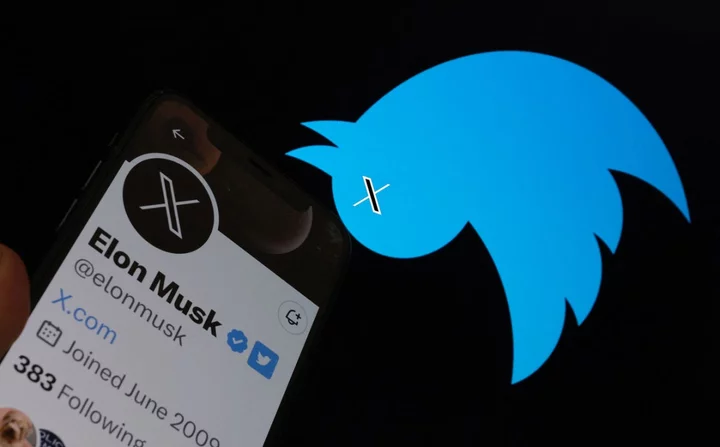
EU asks Elon Musk to ‘walk the talk’ on X/Twitter disinformation over Hamas attack
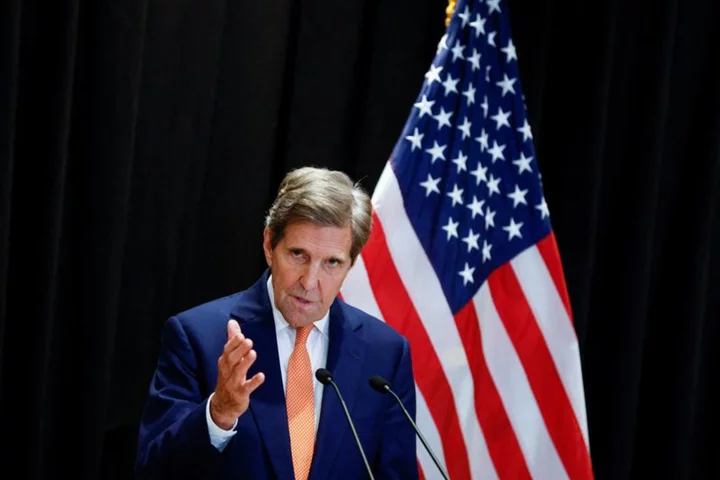
US envoy John Kerry says China-US climate relations need 'more work'
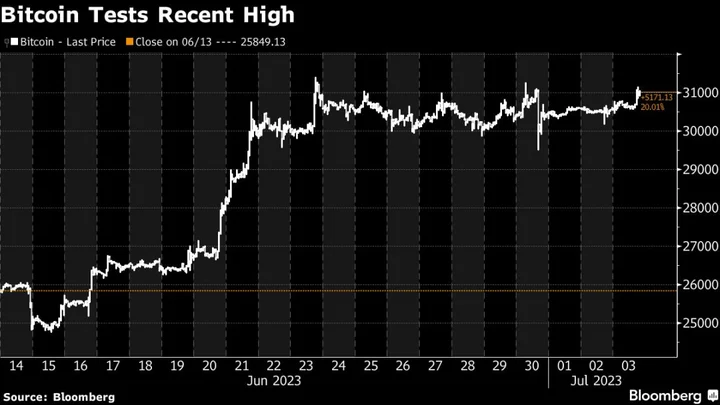
Bitcoin Bulls Are Testing The Year’s High Amid Light Market Liquidity

Neopets will finally fix its games in $4 million overhaul
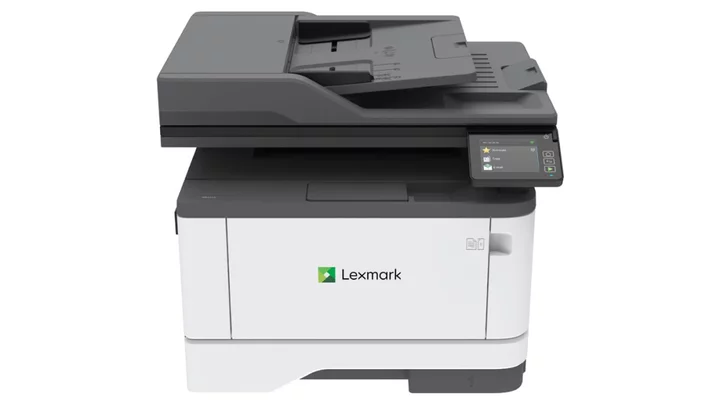
Lexmark MB3442i Review
Chipmaker Micron beats revenue estimates on demand from booming AI
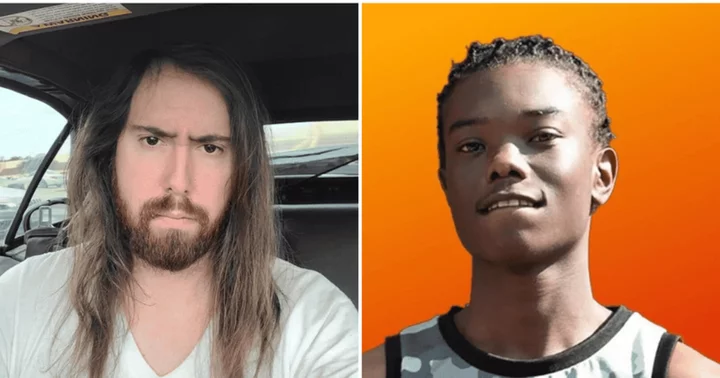
What happened between Asmongold and Mizzy? Streamer wishes to put YouTube prankster in prison: 'This kid is unironic menace'

Self-healing metal? It's not just the stuff of science fiction