
Apple Defies EU Over Antitrust Charges in Spotify Probe
Apple Inc. is set for a showdown with European Union antitrust regulators, insisting it doesn’t need to make
2023-06-29 17:59
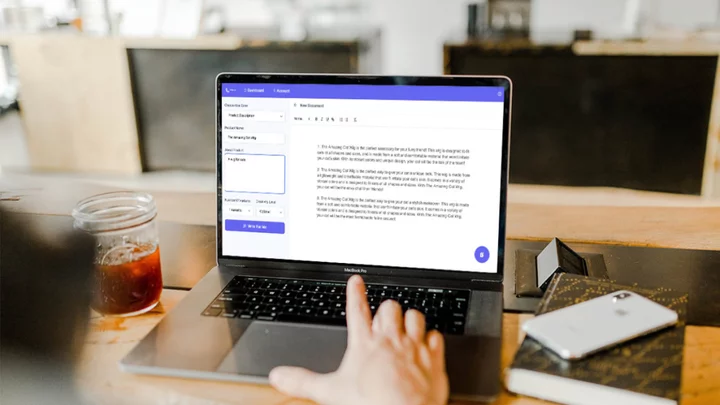
A lifetime subscription to this AI content creator is on sale for 92% off
TL;DR: A lifetime subscription to Write Bot is on sale for £31.93, saving you 92%
2023-09-18 12:16

Dubai Watchdog Warns on Risks of Crypto’s Global Regulatory Gaps
Dubai’s financial regulator warned that global watchdogs need to step up talks with each other to avoid “bad
2023-05-26 12:52
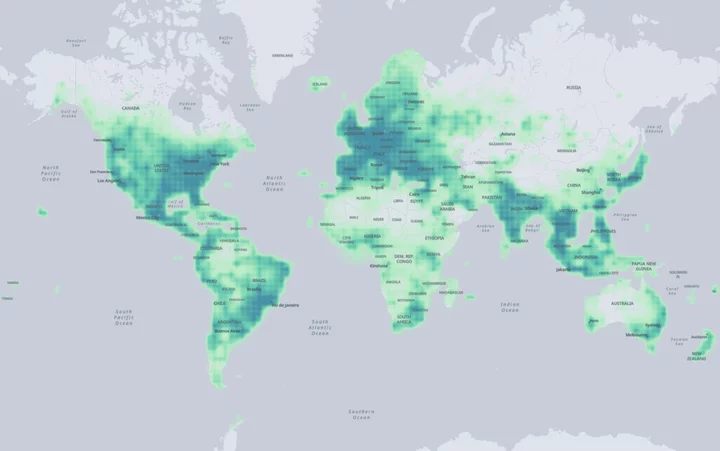
Amazon, Meta, Microsoft, and TomTom join forces to take on Google and Apple Maps
Amazon, Meta, Microsoft, and TomTom have jointly released an open map dataset aimed at providing
2023-07-27 13:23
How to see your Spotify Wrapped for 2023?
It's almost that time of year again, when we see how many hours we've shamelessly spent listening to mortifying music and just playing Taylor Swift on loop. Yes, Spotify Wrapped is here again and soon your social media feeds will be full of people either showing you how cool by how much Senegalese lounge Jazz they listen to or embarrassed that they still haven't moved on from The Libertines or The Strokes. Each and every year, even for the most dedicated of music lovers, Spotify Wrapped throws up countless surprises in your top artists and songs leading many to question just how it tallies what you listen to. The past few years Wrapped has arrived earlier and earlier, as reported by the Radio Times, so it's not surprise that its arrived on November 29th. Here are the dates it arrived on the previous years. 2017: 6th December 2018: 6th December 2019: 5th December 2020: 2nd December 2021: 1st December 2022: 30th November Finding your Wrapped couldn't be easier you just need to go to your Spotify app on the day it drops and it'll be there waiting for you at the top of the app alongside your saved songs and albums. Alternatively, if you just use Spotify on a laptop or desktop you can visit spotify.com/wrapped and use it from there. Spotify have never officially said how they compile their data for Wrapped but a Reddit user in 2021 revealed how they believed it works. In the post Hudsonlovestech pointed out six key takeaways that they discovered after downloading their data from the music platform. They were: This year the data was logged from January 1st 00:00 to November 15th 23:59. You have to listen to a song for more than 30 seconds for it to count in your song rankings. Your top songs are calculated by play count rather than total time listened. In your top 100 playlist only the first 10 songs are sorted by play count, the rest are close but sorted by artist. Your total time listening includes podcasts. Your top artists are calculated by total play counts rather than total time listening. If you apply this date to your own listening history then there is a chance you might discover what your Wrapped will look like this year although there is no guarantee. Meanwhile, many users on X/Twitter are posting memes, imagining what their Wrapped will look like this year. To be honest, we're just dreading seeing how much we listened to Ryan Gosling sing 'I'm Just Ken' from the Barbie soundtrack. Sign up to our free indy100 weekly newsletter Have your say in our news democracy. Click the upvote icon at the top of the page to help raise this article through the indy100 rankings.
2023-11-29 21:58
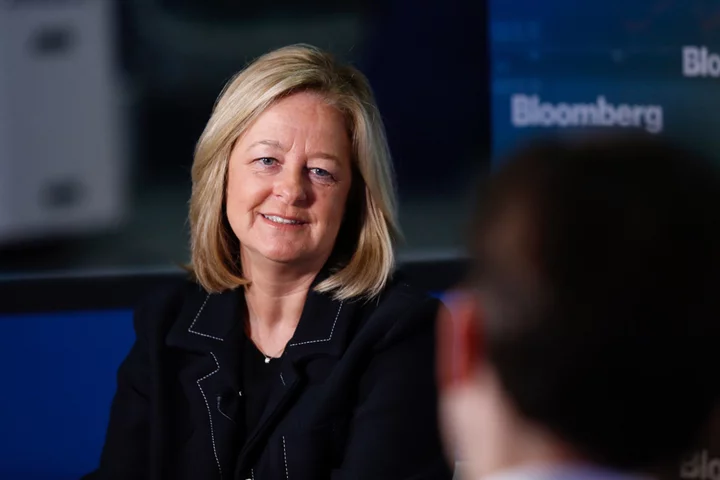
BT Names Allison Kirkby CEO, Replacing Philip Jansen in January
BT Group Plc named Telia Co AB boss Allison Kirkby Chief Executive Officer, taking over from Philip Jansen.
2023-07-31 14:51
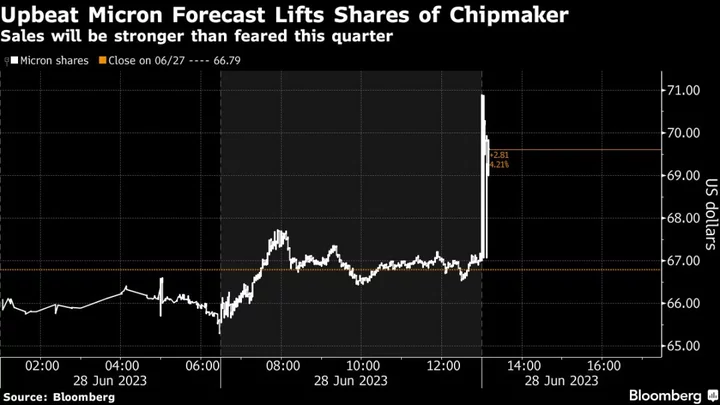
Micron Delivers Strong Forecast in Sign That Glut Is Easing
Micron Technology Inc. gave an upbeat forecast for the current period, indicating that an industry glut is easing
2023-06-29 05:47

Save 77% on a year's subscription to Norton 360 and LifeLock
TL;DR: As of Aug. 7, a one-year subscription to Norton 360 Standard and LifeLock Identity
2023-08-07 17:54

Best Armor Sets in Tears of the Kingdom
The best armor sets in The Legend of Zelda: Tears of the Kingdom including Zonaite, Climbing, Fierce Deity and more.
2023-07-07 05:19

Trim your monthly bills with Boost’s newest plan
A text there, a search here, and boom — you and your friends have finally
2023-06-29 22:28
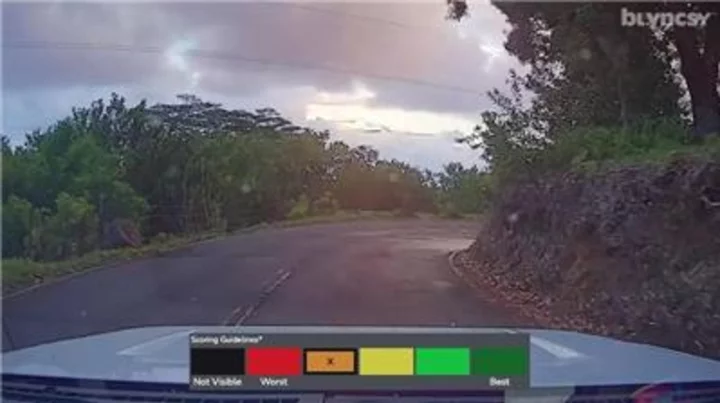
Bentley Systems’ iTwin Ventures Acquires Blyncsy, Breakthrough Innovator in AI Services for Transportation Operations and Maintenance
EXTON, Pa.--(BUSINESS WIRE)--Aug 14, 2023--
2023-08-15 04:16

G2E Las Vegas Spotlights Global Casino Entertainment and Advancements from Konami Gaming
LAS VEGAS--(BUSINESS WIRE)--Aug 16, 2023--
2023-08-16 18:28
You Might Like...
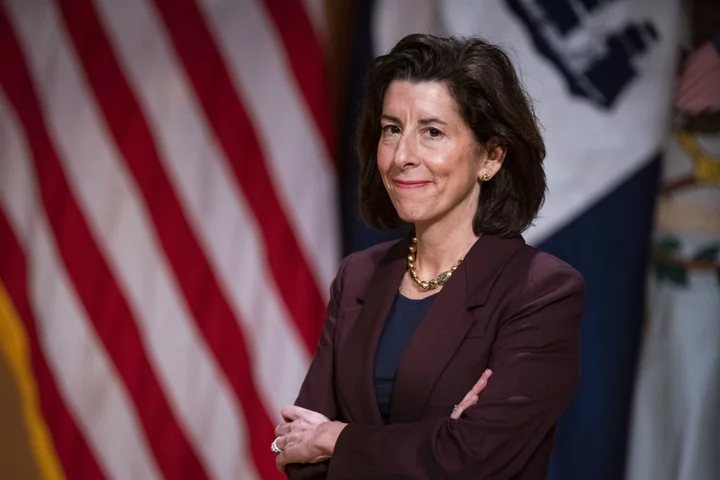
Commerce Secretary Raimondo Plans August China Trip as Tensions Over Tech Controls Simmer
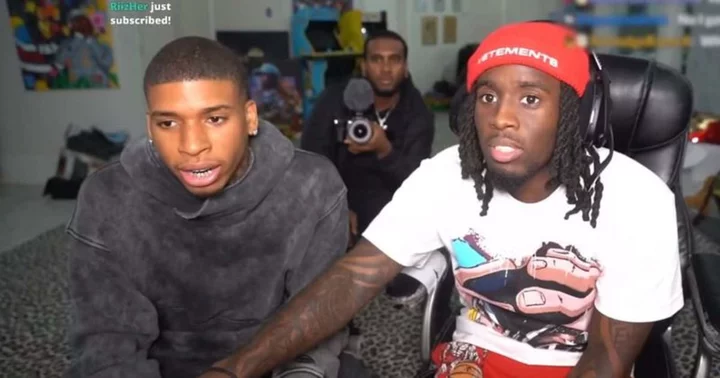
'Fast X': Kai Cenat and NLE Choppa compare 'Angel' to Wiz Khalifa’s 'See you again', fans shower love
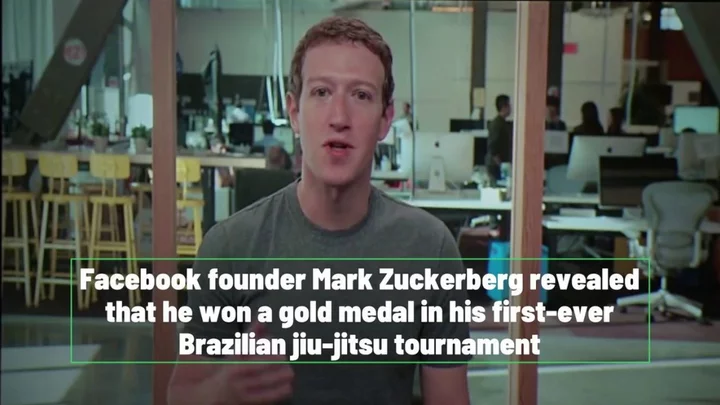
Elon Musk wants a 'cage fight' with Mark Zuckerberg
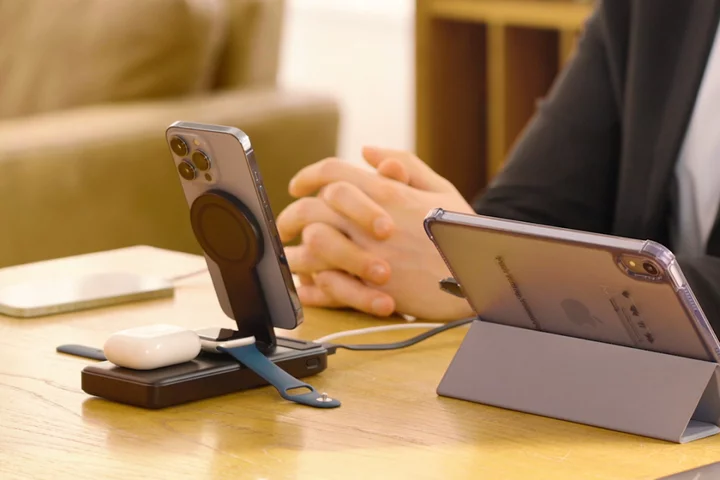
Power up 5 devices at once with this portable charger for $55
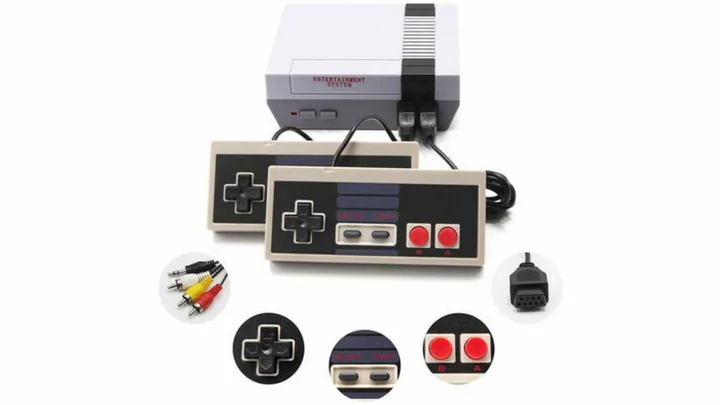
Get nostalgic with this $25 retro-inspired console and games

Earnix Appoints Erez Barak as Chief Technology Officer
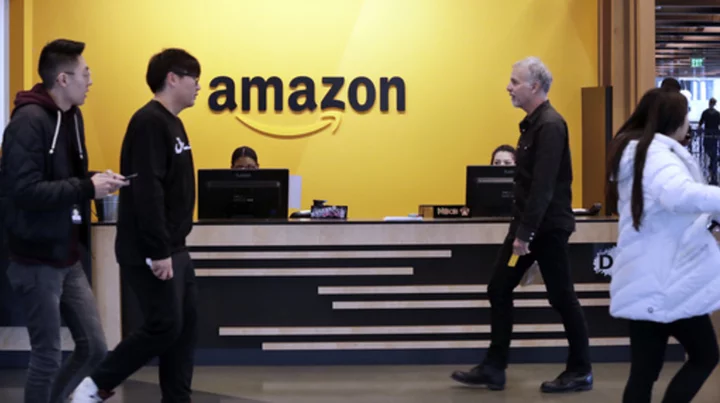
Amazon workers stage walkout over company's climate impact, return-to-office mandate
Unity Backtracks, Nixes Game Install Runtime Fees for Personal Plans