
Sdorn Provides Timely and Accurate Technology News, Covering APP, AI, IoT, Cybersecurity, Startup and Innovation.
⎯ 《 Sdorn • Com 》
Voices: The real reason companies are warning that AI is as bad as nuclear war
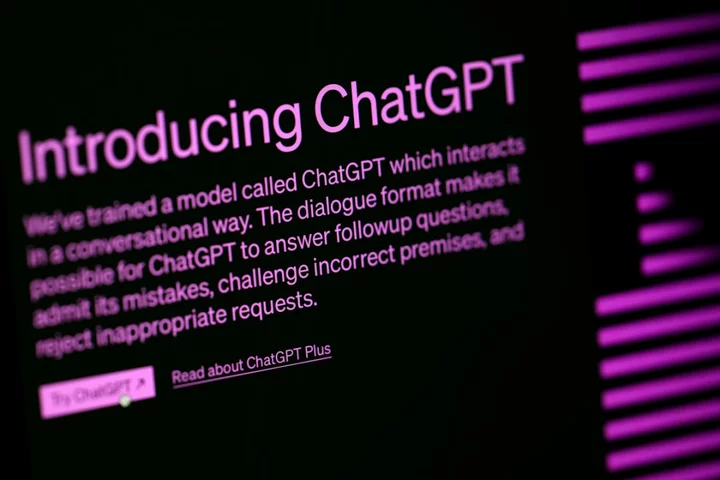
They are 22 words that could terrify those who read them, as brutal in their simplicity as they are general in their meaning: “Mitigating the risk of extinction from AI should be a global priority alongside other societal-scale risks such as pandemics and nuclear war.” That is the statement from San Francisco-based non-profit the Center for AI Safety, and signed by chief executives from Google Deepmind and ChatGPT creators OpenAI, along with other major figures in artificial intelligence research. The fact that the statement has been signed by so many leading AI researchers and companies means that it should be heeded. But it also means that it should be robustly examined: why are they saying this, and why now? The answer might take some of the terror away (though not all of it). Writing a statement like this functions as something like a reverse marketing campaign: our products are so powerful and so new, it says, that they could wipe out the world. Most tech products just promise to change our lives; these ones could end it. And so what looks like a statement about danger is also one that highlights just how much Google, OpenAI and more think they have to offer. Warning that AI could be as terrible as pandemics also has the peculiar effect of making artificial intelligence's dangers seem as if they just arise naturally in the world, like the mutation of a virus. But every dangerous AI is the product of intentional choices by its developers – and in most cases, from the companies that have signed the new statement. Who is the statement for? Who are these companies talking to? After all, they are the ones who are creating the products that might extinguish life on Earth. It reads a little like being hectored by a burglar about your house’s locks not being good enough. None of this is to say that the warning is untrue, or shouldn't be heeded; the danger is very real indeed. But it does mean that we should ask a few more questions of those warning us about it, especially when they are conveniently the companies that created this ostensibly apocalyptic tech in the first place. AI doesn't feel so world-destroying yet. The statement's doomy words might come as some surprise to those who have used the more accessible AI systems, such as ChatGPT. Conversations with that chatbot and others can be funny, surprising, delightful and sometimes scary – but it's hard to see how what is mostly prattle and babble from a smart but stupid chatbot could destroy the world. They also might come as a surprise to those who have read about the many, very important ways that AI is already being used to help save us, not kill us. Only last week, scientists announced that they had used artificial intelligence to find new antibiotics that could kill off superbugs, and that is just the beginning. By focusing on the "risk of extinction" and the "societal-scale risk" posed by AI, however, its proponents are able to shift the focus away from both the weaknesses of actually existing AI and the ethical questions that surround it. The intensity of the statement, the reference to nuclear war and pandemics, make it feel like we are at a point equivalent with cowering in our bomb shelters or in lockdown. They say there are no atheists in foxholes; we might also say there are no ethicists in fallout shelters. If AI is akin to nuclear war, though, we are closer to the formation of the Manhattan Project than we are to the Cold War. We don’t need to be hunkering down as if the danger is here and there is nothing we can do about it but “mitigate it”. There's still time to decide what this technology looks like, how powerful it is and who will be at the sharp end of that power. Statements like this are a reflection of the fact that the systems we have today are a long way from those that we might have tomorrow: the work going on at the companies who warned us about these issues is vast, and could be much more transformative than chatting with a robot. It is all happening in secret, and shrouded in both mystery and marketing buzz, but what we can discern is that we might only be a few years away from systems that are both more powerful and more sinister. Already, the world is struggling to differentiate between fake images and real ones; soon, developments in AI could make it very difficult to find the difference between fake people and real ones. At least according to some in the industry, AI is set to develop at such a pace that it might only be a few years before those warnings are less abstractly worrying and more concretely terrifying. The statement is correct in identifying those risks, and urging work to avoid them. But it is more than a little helpful to the companies that signed it in making those risks seem inevitable and naturally occurring, as if they are not choosing to build and profit from the technology they are so worried about. It is those companies, not artificial intelligence, that have the power to decide what that future looks like – and whether it will include our "extinction". Read More Opinion: Age gap relationships might seem wrong, but they work. Trust me Hands up if you trust Boris Johnson | Tom Peck Boris’s ‘ratty rat’ rage against Sunak could bring the Tories down | John Rentoul Opinion: Age gap relationships might seem wrong, but they work. Trust me Hands up if you trust Boris Johnson | Tom Peck Boris’s ‘ratty rat’ rage against Sunak could bring the Tories down | John Rentoul
2023-05-31 18:58
Self-driving cars will cause ‘moral panic’ – transport minister
A “moral panic” will be caused by the use of self-driving vehicles on public roads, a transport minister has warned. Jesse Norman told MPs that a “horrendous” part of the development of the technology will be “scare stories, particularly in the early stages”. Last month the UK became the first European country to allow drivers to take their hands off car steering wheels on public roads, after the Department for Transport gave manufacturer Ford permission to activate its BlueCruise system on motorways. This controls functions such as steering, acceleration, braking and lane positioning. It's a really interesting question of consent Jesse Norman Fully self-driving cars remain banned on public roads in the UK apart from during Government-approved trials. Legislation to approve the technology could be introduced as early as 2025. Asked about the safety of self-driving vehicles by the Commons’ Transport Select Committee, Mr Norman said: “The horrendous thing about this is that we can be rationally certain there are going to be some scare stories, particularly in the early stages, because of the diversity of human life. “It’s a really interesting question of consent and democratic engagement as to whether or not we as a policy, as a country, are able to weather that moral panic in the pursuit of a future which might lead to an enormously larger number of people not dying.” The safety record of self-driving vehicles will be “intensely publicly scrutinised”, the minister predicted. He added: “As people understand the difference between assisted and self-driving (systems), we ought to be able to create a public environment in which there’s acceptance and understanding of that situation, but we can’t bank on it.” Committee member and Conservative MP Paul Howell compared the issue to smart motorways, where “public opinion kicked back hard” as people “didn’t perceive (them) as being safe” despite data suggesting otherwise. The Government announced last month that no new smart motorways would be built, with Transport Secretary Mark Harper citing a “lack of public confidence”. National Highways figures indicate they are England’s safest roads in terms of serious or fatal casualties. Meanwhile, Mr Norman earlier told the committee that evidence suggests e-scooters tend to be used to replace journeys that would have been made by walking or cycling, rather than in a car. Asked about trials of rental e-scooters in England, Mr Norman said: “Early on in the rental market I think there was a great deal of excitement about the potential for e-scooters to take people out of cars and to improve on decarbonisation and on air quality. “We’ve now looked at a lot of the work that’s been done in the trials … and it does look like the e-scooters cannibalise active travel rather more than they take people out of cars.” Read More Charity boss speaks out over ‘traumatic’ encounter with royal aide Ukraine war’s heaviest fight rages in east - follow live Cryptocurrency trading should be regulated as gambling, says treasury committee WhatsApp offers new password protected feature to hide messages 75% of Irish data watchdog’s GDPR decisions since 2018 overruled – report
2023-05-17 20:23
Crystal Group announces 2023 scholarship recipients
HIAWATHA, Iowa--(BUSINESS WIRE)--Sep 7, 2023--
2023-09-08 01:19
Australia to Significantly Bolster Green Energy Investment
Australia plans to dramatically expand its policy to lure renewable energy investment to the country, Climate and Energy
2023-11-23 16:27
Olivia Dunne posts humorous 'Things I ate and survived' video on TikTok, fans say 'that looked painful'
Some fans mocked the influencer, saying that it was their favorite video
2023-06-09 20:22
BIS Sees Climate Losses Hitting Governments as Insurers Exit
As insurers start to pull out from markets battered by the fallout of climate change, governments are increasingly
2023-11-21 22:59
EA 'learns lessons from Disney's success'
Andrew Wilson has revealed that he's eager to learn lessons from Disney's success.
2023-09-08 22:15
This Bluetooth receiver and transmitter is only $15
TL;DR: As of September 19, you can get a Bluetooth receiver and transmitter for only
2023-09-19 17:46
AT&T and Verizon quietly add surcharges to old unlimited plans
Certain Verizon and AT&T customers have good reasons to be annoyed this week. As spotted
2023-07-28 23:47
MrBeast confuses Elon Musk with his look-alike and gets a pic, trolls say 'I want to smoke what he is smoking'
MrBeast said, 'I thought this guy was Elon Musk but as I got closer I realized he wasn’t but I was in too deep on the picture to back out'
2023-09-14 13:25
Free streams to watch Barbie spread online amid security warnings
Illicit free streams for Barbie, Oppenheimer and other summer blockbuster movies pose a risk to people attempting to watch them online, cyber security experts have warned. Searches for how to watch the films for free were tracked by security firm NordVPN, revealing links leading to sites containing malware and other malicious software. The worst impacted movie was Guardians of the Galaxy: Vol. 3, according to the researchers, with links shared on Twitter containing the most number of phishing warnings, malicious links and malware concerns. The Super Mario Bros. Movie had the second-most security threats linked to it, followed by Barbie, Indiana Jones and the Dial of Destiny, John Wick: Chapter 4, Transformers: Rise of the Beasts, The Little Mermaid, Oppenheimer, Mission Impossible - Dead Reckoning Part One, and Killers of the Flower Moon. Illegal online streams that allow people to watch films for free have become a popular way for cyber criminals to exploit web users in recent years. Several illicit platforms that mimic the functionality of Netflix and other legitimate streaming services offer ways to watch films and TV shows with little cyber security risk to users, however links shared on social media sites like Twitter and Reddit can often lead to fake websites that attempt to steal financial or other sensitive information. “Trying to watch films this way is like searching for a needle in a haystack, with few of the links providing a watchable movie,” said Adrianus Warmenhovem, a cyber security advisor at NordVPN. “Most of these blockbusters will soon be available on reputable streaming platforms like Netflix, Disney+ and Amazon Prime Video, so we suggest film fans be patient and enjoy these movies safely. Always stay cautious when clicking on a link, even on a trustworthy website, and use anti-malware tools.” Major sporting events are particularly vulnerable to cyber attack attempts, with searches for free live streams surging in the build up to big fights, football matches and races. The most popular form of piracy is websites hosting free streams of films and TV, accounting for more than 80 per cent of all piracy, according to figures published earlier this year. Piracy research firm Muso revealed that illegal streaming of films grew 38.6 per cent between 2021 and 2022, while visits to free streaming sites rose by nearly 9 per cent. This trend is expected to continue in 2023, early data suggests. Read More World Cup plagued by 'industrial-scale' piracy Premier League caught up in 'world's biggest piracy operation'
2023-08-02 21:50
Scientists make surprising discovery that could help boost the global population
Infertility is a problem that afflicts more than a billion people across the world, which is why treatments such as IVF are so important. The procedure (in vitro fertilisation, to use it’s full name) involves the extraction of an egg from the woman's ovaries to be fertilised with sperm in a laboratory and returned to the woman’s womb. The goal is that the resulting embryo will then grow and develop into a foetus, blessing the parent or parents with a baby. However, success rates for IVF – as in, the percentage of treatments that result in a live birth – remain somewhat unencouraging: 32 per cent for women aged under 35; 25 per cent for women aged 35 to 37, with the numbers continuing to drop the older you get, according to the NHS. Nevertheless, a major new study has revealed a striking new finding which could help boost the hopes of countless aspiring mums and dads across the world. Sign up for our free Indy100 weekly newsletter After analysing 3,657 frozen embryos over a period of eight years, researchers in Western Australia found that IVF was much more likely to work when eggs had been harvested in the summer. The team clarified that it didn’t seem to matter when the embryos were transferred to the mother’s womb, just when the eggs were collected. Indeed, the likelihood of babies being born when the eggs had been retrieved in the summer was 30 per cent higher than when they had been retrieved in the autumn, according to the scientists. The team also found that the temperature on the day of egg collection didn’t seem to have an impact on success rates, but the number of sunny hours did. Of the embryos they tested, those harvested on days that had the most sunshine were 28 per cent more likely to result in a live birth compared to the darkest and most overcast days. “Our study suggests that the best conditions for live births appear to be associated with summer and increased sunshine hours on the day of egg retrieval,” the study’s lead, Dr Sebastian Leathersich, of Perth’s King Edward Memorial Hospital, said about the paper, which was published in the journal Human Reproduction. Still, he noted: “There are many factors that influence fertility treatment success, age being among the most important. “However, this study adds further weight to the importance of environmental factors and their influence on egg quality and embryonic development." He further explained: “We effectively separated the conditions at the time of egg collection from the conditions at the time of transfer, demonstrating that environmental factors when the eggs are developing are as, if not more, important than environmental factors during implantation and early pregnancy.” The expert obstetrician and gynaecologist added: “Optimising factors such as avoiding smoking, alcohol and other toxins and maintaining healthy activity levels and weight should be paramount. However, clinicians and patients could also consider external factors such as environmental conditions.” Despite Dr Leathersich and his colleagues concluding that the temperature on the day of egg collection had little bearing on the success of the process, they also found that the temperature on the day of embryo implantation did make a difference. The chances of a live birth rate decreased by 18 per cent when the embryos were transferred on the hottest days (when average temperatures measured between 14.5C and 27.8C) compared to the coolest days (0.1C to 9.8C), and there was a small increase in miscarriage rates, from 5.5 per cent to 7.6. The finding that miscarriage rates were highest when embryo transfer took place on the hottest days is consistent with other studies showing higher rates of miscarriage in the summer months. “This suggests that the negative effects of high temperature are more likely related to early pregnancy rather than egg development,” Dr Leathersich concluded. When it comes to the disparity in success rates between eggs retrieved in summer and autumn, he and his team pointed out that melatonin levels could be at play. Differences in lifestyles between the winter and summer months may also play a role, he and his colleagues acknowledged. "It is possible that there are differences in activity, diet, and lifestyle in different seasons which could underlie the observed differences in live birth rates, though such data were not collected in this study," they wrote. "It is also possible that other environmental factors, including pollutants, may impact clinical outcomes." Whilst the study’s findings are compelling, Dr Leathersich and his team admitted that it did have its limitations. The research was done in hindsight, using eggs that had been frozen, then thawed, so it could not draw watertight conclusions. “Ideally, these findings should be replicated in other sites with different conditions and different treatment protocols to confirm the findings,” Dr Leathersich said. “It would also be interesting to look at the impact of season and environmental factors on sperm parameters, as this could have contributed to our observations.” He added: “We are now planning to analyse this same group of patients using air quality data, as there may be seasonal changes in exposure to harmful pollutants which could negatively affect reproductive outcomes. “Finally, given the huge increase in so-called 'social egg freezing' for fertility preservation and the fact that this group generally have flexibility about when they choose to undergo treatment, it would be very interesting to see if these observations hold true with frozen eggs that are thawed and fertilised years later. “Any improved outcomes in this group could have big impacts for women making decisions about their future fertility, but the long-term follow-up required means it is likely to be some time before we can draw any conclusions for this population.” Have your say in our news democracy. Click the upvote icon at the top of the page to help raise this article through the indy100 rankings.
2023-07-10 23:20