
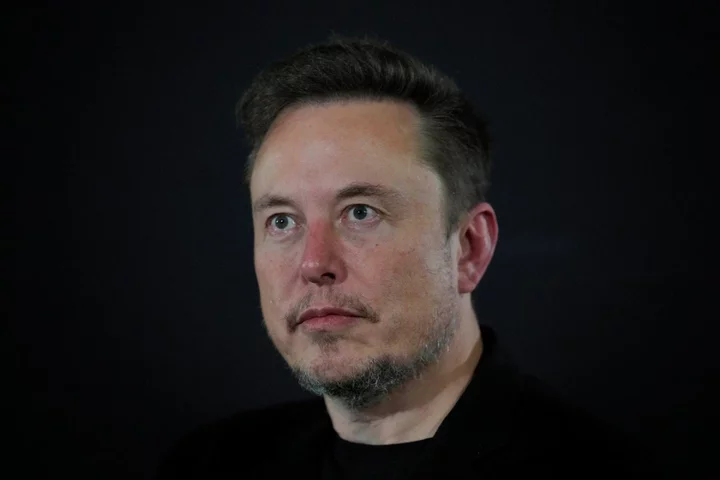
Elon Musk publicly tells X/Twitter advertisers to ‘go f*** yourselves’
Elon Musk has told advertisers to “go f*** yourselves” if they try to pull marketing from X. The chief executive of the platform, formerly known as Twitter, suggested that companies were attempting to “blackmail” him by threatening to pull ads. Mr Musk has faced criticism in recent days over a tweet that led to accusations of antisemitism. Many of the world’s biggest companies and the site’s biggest advertisers pulled their marketing from his platform in response. He initially said that he was “sorry” for the tweet and denied any suggestion he was antisemitic. But he also said that any advertisers who pulled marketing because of that tweet should “go f*** yourselves”. “Don’t advertise,” he said at the New York Times’ Dealbook Summit. “If someone is going to try to blackmail me with advertising, blackmail me with money? Go f*** yourself. Go f*** yourself. Is that clear? I hope it is.” At one point he added the words “Hey Bob,” an apparent reference to Robert Iger, chief executive of Walt Disney, which pulled ads on X. Billionaire Elon Musk told advertisers that have fled his social media platform X over antisemitic content to “go fuck yourself” in a fiery Wednesday interview. His profanity-laced remarks followed a moment of contrition in a New York Times DealBook Summit interview, as he first said “I’m sorry” for a tweet that agreed with an anti-Jewish post on X on Nov. 15. Musk has faced a torrent of criticism since he on Nov. 15 agreed with a user who falsely claimed Jewish people were stoking hatred against white people, saying the user who referenced the “Great Replacement” conspiracy theory was speaking “the actual truth.” On Wednesday Musk said he had “handed a loaded gun” to detractors, describing his post as possibly the worst he had made during a history of messages that included many “foolish” ones. The “Great Replacement” theory holds that Jewish people and leftists are engineering the ethnic and cultural replacement of white populations with non-white immigrants that will lead to a “white genocide.” Musk‘s post drew condemnation from the White House for what it called an “abhorrent promotion of antisemitic and racist hate.” Following the post, major U.S. companies including Walt Disney, Warner Bros Discovery and NBCUniversal parent Comcast suspended their ads on X. A report from liberal watchdog group Media Matters precipitated the advertiser exit, which said it found ads next to posts that supported Nazism. The platform filed a lawsuit last week against Media Matters for defamation. In the wake of the condemnation, Musk traveled to Israel and toured the site of Hamas’ assault in the country on Oct. 7. On Monday, he spoke with Israeli Prime Minister Benjamin Netanyahu on Monday in a live-streamed conversation on X. Musk on Wednesday said the trip had been planned before his message and was “independent” of the issue. Musk in Israel said he is against antisemitism and anything that “promotes hate and conflict” and stated that X would not promote hate speech. “The fact that you came here speaks volumes of your commitment to try to secure a better future,” Netanyahu told Musk during the conversation. The two men previously met at Tesla’s headquarters in California in September to discuss the merits and dangers of advanced artificial intelligence. During the conversation, which took place shortly after Musk attacked the Anti-Defamation League, Netanyahu urged the billionaire to strike a balance between the protection of free speech online and fighting hate speech. Additional reporting by Reuters Read More Elon Musk mocked for trying to resurrect QAnon Pizzagate conspiracy Elon Musk set to meet Netanyahu and hostage families in Israel Elon Musk weighs in on Dublin riots claiming country’s PM ‘hates the Irish people’ Elon Musk’s antisemitic comments have pushed X advertisers over the edge Musk files defamation suit against Media Matters over Nazi X post claims OpenAI staff ‘threaten to quit over ousting of Sam Altman’
2023-11-30 07:54
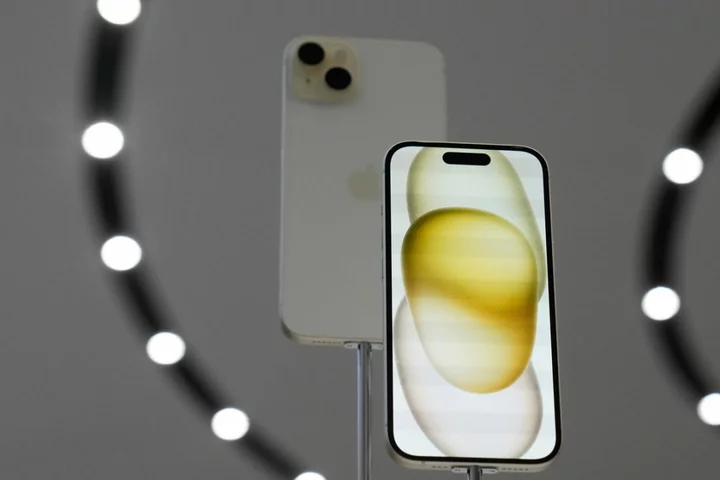
iOS 17.1.1: Apple releases new iPhone update to let phones charge in cars without breaking
Apple has released a new iPhone update that ensures they won’t break when being charged in the car. The iOS 17.1.1 update includes a range of bug fixes for some unusual and high-profile issues with Apple’s new iPhones. It is available to download now as usual. When the iPhone 15 was released, some users of specific cars – particularly those made by BMW and Toyota – reported that charging their phones in the car would break them. In some cases, when people used the built-in wireless charging then Apple Pay would stop working, for instance. That is now fixed in the new update, according to Apple’s release notes. It fixes an issue where “In rare circumstances, Apple Pay and other NFC features may become unavailable on iPhone 15 models after wireless charging in certain cars”, it says. The new operating system update also fixes an issue where “Weather Lock Screen widget may not correctly display snow”, the release notes say. That refers to a problem where users would instead see a file icon, which had been widely reported. Apple has also released an update for the Watch, numbered 10.1.1. That fixes another prominent issue that led to unexpected battery drain on the Watch, with some reporting that their devices lost all their charge in just a few hours. The Mac and HomePod also have their own bug updates. They can all be installed as usual: through the Settings app on the iPhone or Mac, or through the devoted apps for the Watch and HomePod, though all devices should eventually prompt the user to update automatically. The update came after a Bloomberg report that indicated Apple had taken some engineers off work on upcoming major updates to ensure that the current operating system versions were as free of bugs as possible. Recent weeks have seen a range of unexpected bugs in Apple software, including widespread reports that the iPhone 15 would get uncomfortably hot, which was later fixed with another software update. Read More The Apple Watch has a major issue but Apple is working on a fix Something is happening with Apple’s Mac and iPads Apple just revealed a new MacBook Pro – with a new colour
2023-11-09 02:45
Amazon to Invest $12.7 Billion in India Cloud Services by 2030
Amazon.com Inc. plans to invest $12.7 billion in cloud infrastructure in India by 2030, joining other global tech
2023-05-18 11:27
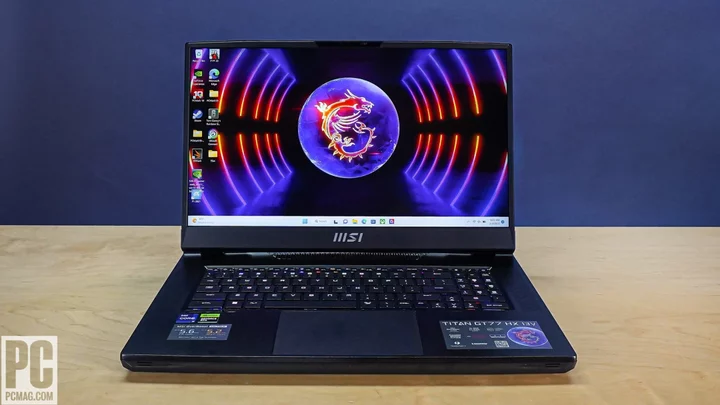
The Best 17-Inch Laptops for 2023
If you're a big-picture sort of person, you need a laptop to match. You yearn
2023-07-07 00:21

Who is Farrah Safari? Meghan Markle accused of faking her 'Archetypes' podcast
'Some interviews on the show were done by other staffers, with [audio of 41-year-old Meghan's] questions edited-in afterward' it was revealed
2023-06-20 15:50
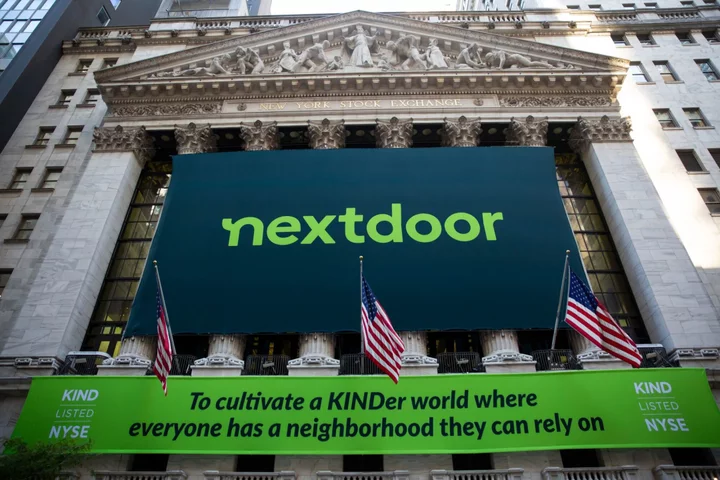
Pinterest Directors Quit Nextdoor Board on DOJ Antitrust Concerns
Two directors stepped down from Nextdoor Holdings Inc. after the US Justice Department raised concerns that they were
2023-08-16 22:57
SEC Delays Decision on ARK 21Shares Bitcoin ETF Filing
The US Securities and Exchange Commission has not yet come to a decision on whether to approve the
2023-08-11 23:29
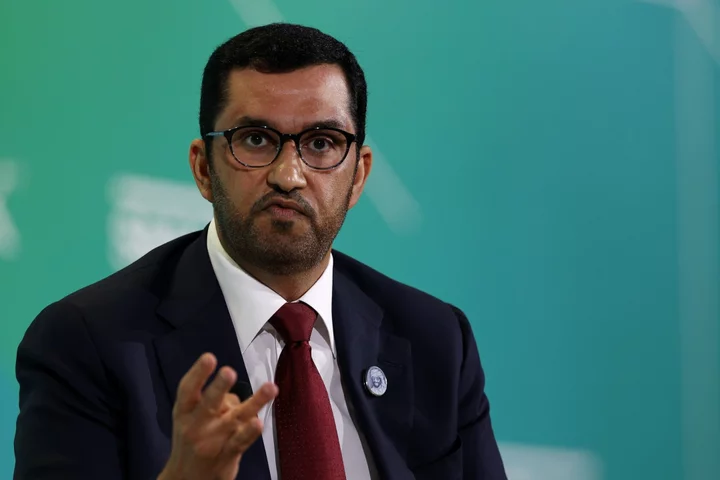
COP28’s Al Jaber Gets Pushed Harder for Ambitious Climate Deal
The United Arab Emirates is coming under increasing pressure to achieve ambitious results when it hosts the COP28
2023-07-13 16:21

Pokimane: Twitch streamer's 5 most crazy Valorant moments explored
Pokimane is making it in the gaming world with her impressive skills and engaging personality
2023-05-14 15:57

In symbolic Hiroshima, U.S. allies size up an ascendant China and unpredictable Russia
By Sakura Murakami and Jeff Mason HIROSHIMA, Japan U.S. President Joe Biden and Japan's Fumio Kishida met for
2023-05-18 23:19

India's moon lander makes history as first to reach coveted south pole
India's robotic spacecraft landed on the moon unscathed Wednesday, a historic achievement for the country's
2023-08-24 01:19

University of Phoenix announces 2023 Faculty of the Year Award recipients
PHOENIX--(BUSINESS WIRE)--Jun 13, 2023--
2023-06-13 22:18
You Might Like...

Where a Horse Comes to Pick Up Your Compost

Rage Against the Machine shared an anti-Nazi quote and right-wingers still got upset
The World’s Oceans Shattered Heat Records in April and May
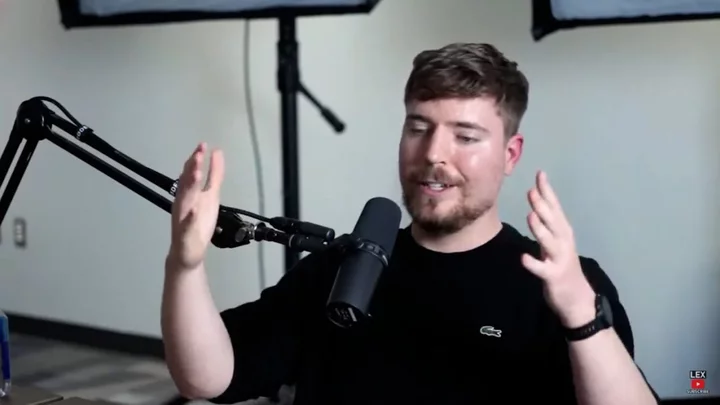
MrBeast appears to mock Elon Musk with Tesla giveaway

Semtech’s LoRa® Chip-to-Cloud Platform Enables Sustainable Farming in Malaysia

Gulf Air exposed to data breach, 'vital operations not affected'

How to Get Free Double XP and Rare Camos in MW3

Sam Bankman-Fried trial: scenes from Caroline Ellison's time on the stand