
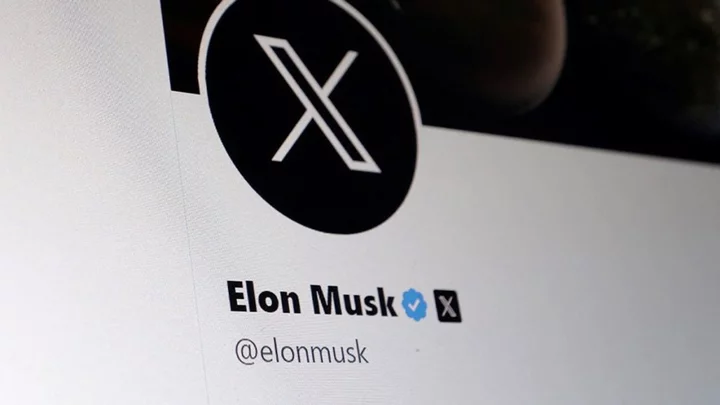
Proof that Twitter's new logo is impossible to differentiate between porn sites
Elon Musk’s decision to change the Twitter logo to an X has been mocked for looking like a porn site, with pictures to prove it. Since his takeover of the social media platform Twitter, Musk has made multiple significant changes that have left users baffled. Some changes affect the way users are able to interact with others, based on their verified (i.e. paid for) status, while other changes are more superficial. The latest idea has seen Musk change the iconic blue bird logo of 15 years, replacing it with a white X on a black background that many have compared with porn sites. Porn sites such as XVideos and XNXX feature logos that are variations of the letter X and comedian Jesse McLaren pointed out how true the comparisons are after sharing a screenshot of a Google Chrome page with six tabs all bearing logos that are very similar. Sign up to our free Indy100 weekly newsletter McLaren wrote: “These are all porn except one. That one's Twitter.” The tweet has been viewed over 4 million times and sparked a conversation about the design of the logo. Someone commented: “It’s the fact that if I had to guess which one out of these was a porn site, my immediate first guess would be the Twitter one.” Another said: “I have a feeling that this will become an interesting case study in marketing and branding classes.” “Unethical, degrading, and perverted. Also there are some porn sites there I guess,” one Twitter user joked. Someone else argued: “Twitter is a porn site too.” Industry experts have cast doubt over Musk’s rebrand decision, particularly at a time when other competitors such as Meta’s Threads have entered the market. Mike Proulx, research director at the analysis firm Forrester, told the Guardian: “By changing Twitter’s app name, Elon Musk will have singlehandedly wiped out over 15 years of a brand name that has secured its place in our cultural lexicon.” He continued: “This is an extremely risky move, because with ‘X’, Musk is essentially starting over while its competition is afoot.” Have your say in our news democracy. Click the upvote icon at the top of the page to help raise this article through the indy100 rankings.
2023-07-25 19:24

Man seen using 'mobile phone' in WWII photo
History buffs on Facebook were left convinced of time travel after a black and white photograph originating from World War II appeared to show a man speaking on a mobile phone. In the image, the conspicuous figure could be seen leaning against a shop front on a crowded pavement amongst locals as well as US army soldiers deployed there. According to The Sun, the image was taken in Iceland’s capital of Reykjavík in 1943 – long before the invention of the portable telephone devices. The first mobile phone, the Motorola DynaTAC 8000X, was sold in 1973. The man who appeared to be holding a device to his ear was dressed in a light-coloured coat, wore a flat cap and was looking in the direction of the camera that captured the image. The picture which has sparked conspiracy theories of time travel was shared by its owner Kristján Hoffman on the Facebook group Gamlar ljósmyndir, which translates to “Old Photographs”. Hoffman wrote on Facebook: “The American army is taking over Icelandic splendour, as you can see. “One thing that draws attention to this beautiful picture is that above the window, in the corner in the middle of the picture, a man is leaning and is on a cell phone.” The post sparked a lot of debate online as people gave their different theories. One person suggested the man was simply scratching his ear, while another said he was holding his watch up to see if it was working since the man is standing outside a watch shop in the image. But Hoffman stuck to his own beliefs, saying: “He's in a stupor, standing alone and wearing a different headdress than the others and a scarf and acting like we would do today. “He has an overview of the square and nothing like having a conversation with someone on a smartphone.” Another person in the comments joked that Icelanders had “already invented the mobile phone way before anyone else!” Sign up to our new free Indy100 weekly newsletter Have your say in our news democracy. Click the upvote icon at the top of the page to help raise this article through the indy100 rankings.
2023-09-21 14:57

Polestar Selects Mobileye to Bring Autonomous Technology to Polestar 4
HONG KONG & JERUSALEM--(BUSINESS WIRE)--Aug 25, 2023--
2023-08-25 18:15
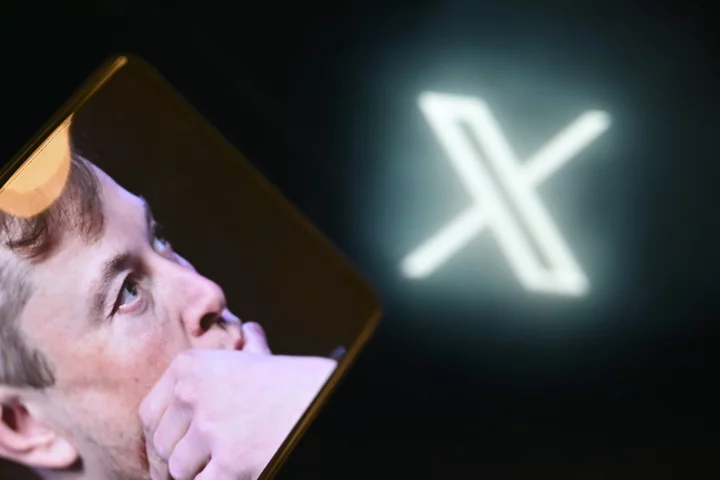
A nonprofit tracks hate speech online. Elon Musk's X threatened to sue them for it.
Fresh off of making legal threats to Microsoft and Meta, X (Twitter) has its sights
2023-08-01 01:25
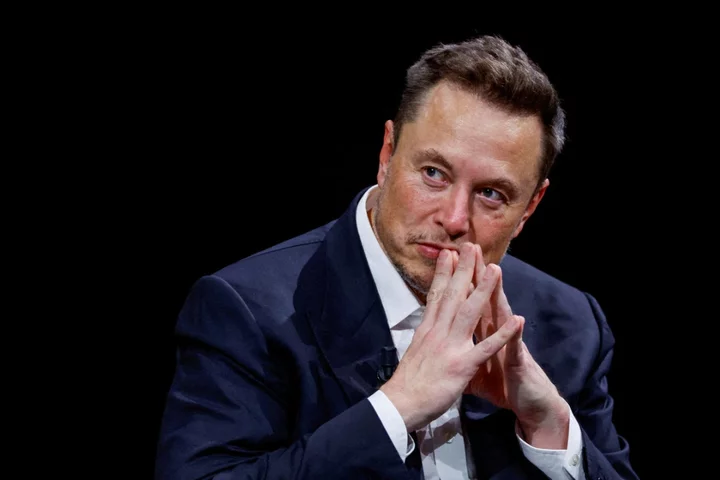
Elon Musk vows to sue ADL for calling him antisemitic after he promoted antisemitic campaign on X
Elon Musk has threatened to sue the Anti-Defamation League (ADL) for billions of dollars after quixotically blaming the Jewish rights organisation for spreading antisemitism on his social media platform X. The self-proclaimed “free speech absolutist”, who has amplified and reinstated neo-Nazi and far-right accounts since acquiring X, formerly known as Twitter, for $44bn last year blamed the ADL for “destroying” $22bn in the company’s value in a series of posts on Monday. “Since the acquisition, The ADL has been trying to kill this platform by falsely accusing it & me of being anti-Semitic,” Mr Musk wrote. He claimed that the site’s United States advertising revenue was down 60 per cent “primarily due to pressure on advertisers by ADL”. “If this continues, we will have no choice but to file a defamation suit against, ironically, the ‘Anti-Defamation’ League.” An ADL spokesperson told The Independent in a statement that it did not comment on legal threats, but added that Mr Musk was helping to boost a coordinated “Ban the ADL” campaign being waged by self-declared antisemites. “ADL is unsurprised yet undeterred that antisemites, white supremacists, conspiracy theorists and other trolls have launched a coordinated attack on our organisation. This type of thing is nothing new,” the ADL spokesperson said. “Such insidious efforts don’t daunt us. Instead, they drive us to be unflinching in our commitment to fight hate in all its forms and ensure the safety of Jewish communities and other marginalised groups.” Mr Musk’s threats to sue the ADL, a century-old NGO that describes itself as the “leading anti-hate organisation in the world”, were met with anger and disbelief from some commentators on X. “In his pursuit of some kind of utopian free speech universe, Elon Musk has turned Twitter / X into a free-for-all for Neo Nazis and White Extremists to unleash a torrent of unprecedented antisemitism and Jew hatred,” wrote Israeli human rights lawyer Arsen Ostrovsky. NYU professor Ruth Ben-Ghiat posted: “So it's the Jews manipulating others. Elon Musk that is so original!” Since Mr Musk’s takeover, advertisers have fled the platform or reduced their ad spend as hateful content was allowed to spread unchecked. Mr Musk, the world’s richest person with an estimated net wealth of $248bn, fired an estimated 80 per cent of its workforce, including most of its content moderators, and reinstated previously banned accounts. X’s US advertising revenue over a five-week period from April to May this year came to $88m, a 59 percent decrease from one year ago, according to the New York Times. In August, X filed a lawsuit against the Center for Countering Digital Hate (CCDH) after it published a report showing that moderators had failed to take action on 99 out of 100 examples of harmful content by verified “blue check” users that the organisation had flagged. “Musk is trying to ‘shoot the messenger’ who highlights the toxic content on his platform rather than deal with the toxic environment he’s created,” CEO Imran Ahmed said in a statement. “CCDH has no intention of stopping our independent research – Musk will not bully us into silence.” The Independent attempted to reach Mr Musk through X, Tesla and via a personal email address but did not hear back. Read More Elon Musk calls Burning Man ‘best art on Earth’ amid chaos that saw thousands stranded and one dead Elon Musk promotes transphobic content as hate speech surges on his far-right platform X threatens to sue researchers who accused Twitter of allowing ‘hate to prosper’ on platform
2023-09-06 00:45
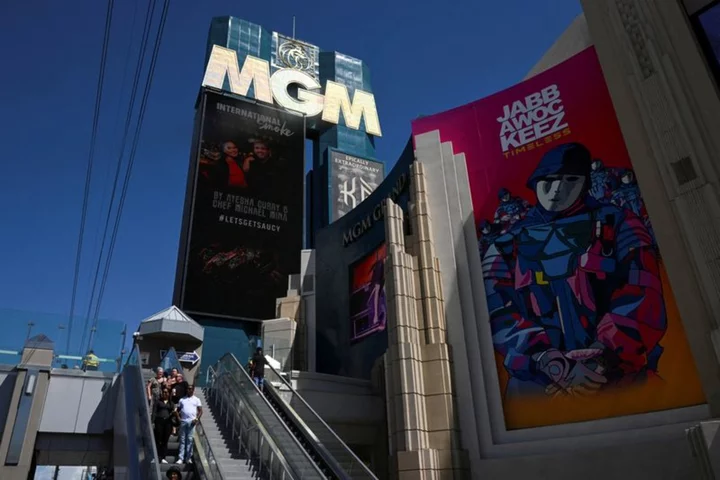
FBI struggled to disrupt dangerous casino hacking gang, cyber responders say
(Removes repetition in paragraph 8) By Zeba Siddiqui, Christopher Bing and Raphael Satter SAN FRANCISCO/WASHINGTON (Reuters) -The U.S. Federal Bureau
2023-11-14 20:15

Nevada fight over leaky irrigation canal and groundwater more complicated than appears on surface
A federal appeals court has breathed new life into a rural Nevada town's unusual bid to halt government repairs to an aging irrigation canal that burst and flooded more than 500 homes in 2008
2023-05-31 02:25

All Pokémon Cards on Sale at Target for Black Friday 2023
here's all the Pokémon cards on sale at Target for Black Friday 2023, including an Origin Forme Palkia Vstar League Battle Deck.
2023-11-16 04:26
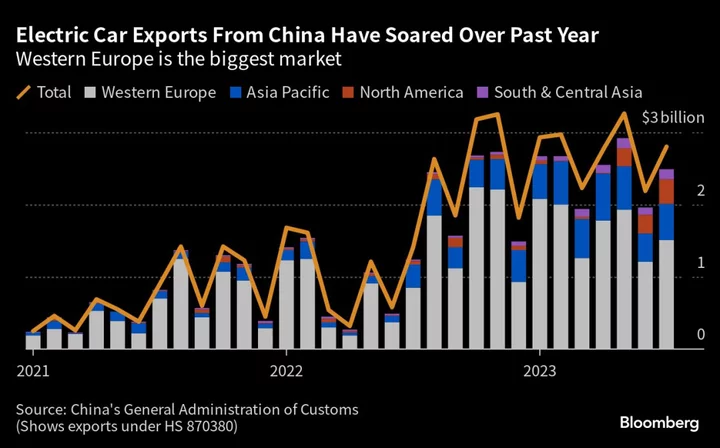
From Cheap Cash to Tax Breaks, EVs in China Get Lots of Love
The number of Chinese-made electric cars going to Europe has soared in recent months, prompting the European Union
2023-09-15 11:53
Why college is getting more expensive
The average American saved $5,011 last year. That means it would take them about 75 years to save up enough cash to send one child to a top-rated US university.
2023-07-16 22:57
Emergency alert to ping millions of phones and TVs today
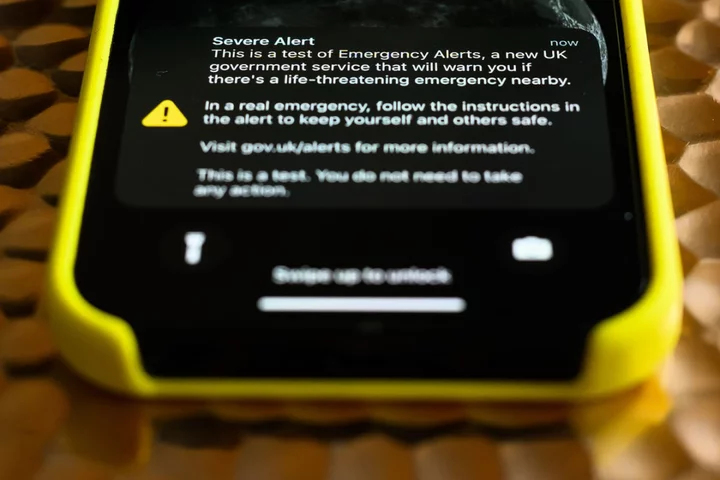
Millions of phones, TVs and radios across the US will receive an alert on Wednesday as part of a nationwide test for an emergency alert system. At 2.20pm ET, the Federal Emergency Management Agency (FEMA) will test the Emergency Alert System for TV and radio sets, and the Wireless Emergency Alerts for phones. “These test alerts are necessary to verify that the system is working properly so that, in a real case, citizens will know what to do, depending on the information that is issued,” said Nino Correa Filomeno, the commissioner of the Puerto Rico Emergency Management Bureau, who will coordinate with FEMA for the tests. “Amid this hurricane season, and any time an emergency occurs, it is necessary to have this system in place.” It is the seventh test for the system since FEMA set it up, however there are already conspiracy theories spreading online about its actual purpose. One false theory is that the signal is being sent to activate nanoparticles that have been introduced to people’s bodies, with one widely shared claim suggesting that it relates to the Covid-19 vaccine. Some users on X, formerly Twitter, advised people to shut off their phones in order to avoid receiving the alert. One user wrote: “Recommendations include not only disabling all alerts but also removing the sim card and shutting down your phone completely, possibly putting in a faraday bag if you have one.” Any smartphone that is switched on and within range of a cell tower will receive the emergency alert test message, which will be accompanied by a “unique tone” and vibration to make sure it is seen, heard or felt by as many people as possible, including those with disabilities. The radio and television portion of the test is being conducted with the participation of broadcasters, satellite providers and cable systems. “We want to ensure that the systems continue to be effective, that the public understands and uses these alerts and warnings about emergencies, particularly those on the national level, as we work to strengthen emergency readiness among our communities,” said Orlando Olivera, a coordinator at FEMA’s Caribbean office in Puerto Rico. “This is one step to be ready for emergencies. We are encouraging everyone, especially older adults to Take Control in 1, 2, 3: Assess your needs, Make a plan, and Engage your support network.” Read More Apple blames Instagram for overheating iPhones Japan startup unveils 15-foot robot suit for space exploration New discovery is ‘holy grail’ breakthrough in search for aliens, scientist say Elon Musk’s X ordered to pay over $1m in legal fees for laid off Twitter execs
2023-10-04 17:55

AI Can Help Economies Thrive. Don’t Let Geopolitics Undermine It.
The open global economy is increasingly at risk, especially when it comes to data, writes David Schwimmer in a guest commentary.
2023-10-19 14:24
You Might Like...
Get a $30 lifetime license for Microsoft Office for Mac or Windows
TikTok is now most favourable single source of news in teenagers in the UK, research shows
Nasa discover new planet that is entirely covered with volcanoes

Panasonic Extends Heat Pump Production in Europe
11 Social Media Platforms You Probably Forgot Existed (And Why They Failed)

SEGA Europe is set to acquire Angry Birds maker Rovio
Block ads for life across nine devices for $25

Games Leaving Xbox Game Pass October 2023