

AI among biggest threats to next UK general election, cyber security agency warns
The rise of artificial intelligence (AI), as well aggressive state-aligned groups pose a significant threat to critical infrastructure, the UK’s cyber security agency has said. In its annual review, the National Cyber Security Centre (NCSC) warned ongoing geopolitical challenges and AI also posed a threat to UK elections. Published on Tuesday, the NCSC’s Annual Review said the Centre, which is part of GCHQ, had seen the emergence of a new type of cyber adversary in the last year – state-aligned actors who are ideologically, rather than financially, motivated. The NCSC highlighted China and Russia as enduring and significant threats to UK cyber security, noting that many of the new state-aligned groups it had seen appear were sympathetic to Russia’s invasion of Ukraine. On artificial intelligence, the NCSC warned that the next general election in the UK, expected next year, will be the first to take place against the backdrop of significant advances in AI, which it said would enable and enhance existing challenges. The cyber security agency said that large language models (LLMs) – the technology apps such as ChatGPT are built on – would almost certainly be used to generate fake content as part of disinformation campaigns to disrupt the democratic process. Beyond the present challenges, we are very aware of the threats on the horizon, including rapid advancements in tech and the growing market for cyber capabilities Lindy Cameron, NCSC At the first AI Safety Summit, held in the UK earlier this month, industry figures and world leaders warned of the potential for AI to help cybercriminals carry out more sophisticated cyber attacks. “The last year has seen a significant evolution in the cyber threat to the UK – not least because of Russia’s ongoing invasion of Ukraine but also from the availability and capability of emerging tech,” NCSC chief executive Lindy Cameron said. “As our annual review shows, the NCSC and our partners have supported government, the public and private sector, citizens, and organisations of all sizes across the UK to raise awareness of the cyber threats and improve our collective resilience. “Beyond the present challenges, we are very aware of the threats on the horizon, including rapid advancements in tech and the growing market for cyber capabilities. “We are committed to facing those head on and keeping the UK at the forefront of cyber security.” The annual review said work needed to be done to ensure the UK kept pace with the changing threats, particularly in relation to enhancing cyber resilience in the nation’s infrastructure. Read More Private parole hearing for one of killers of James Bulger to begin Papers react to Sunak’s reshuffle ‘gamble’ over return of Cameron Thunderstorm warning in effect as downpours continue in parts of UK Immigration minister Robert Jenrick vows to see Rwanda deportation plan through Cost-of-living payments not enough to meet scale of the problem, say MPs Applications open for owners to register XL bully dogs before ban
2023-11-14 15:48

SoftBank’s Arm Targets $60 Billion-Plus Value for September IPO
SoftBank Group Corp.’s semiconductor unit Arm Ltd. is targeting an initial public offering at a valuation of between
2023-08-02 13:18

ZEDEDA Launches Industry-First Application Services Suite, Revolutionizing Edge Computing
SAN JOSE, Calif. & BERLIN--(BUSINESS WIRE)--Jul 25, 2023--
2023-07-25 20:26
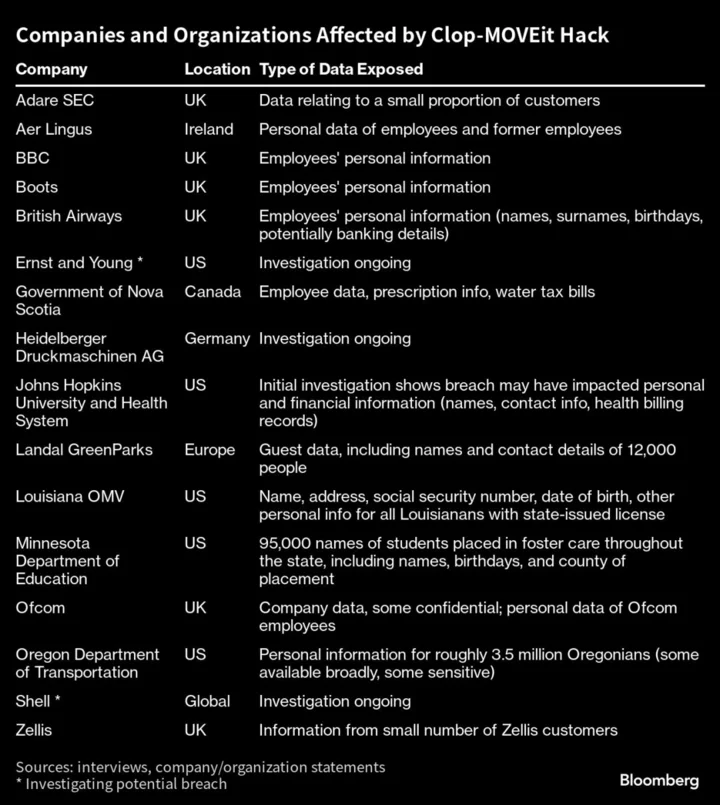
Ransomware Gang Haunted US Firms Long Before MOVEit Hack
Shell Plc, IAG SA’s British Airways, the British Broadcasting Corp., the state of Minnesota’s Department of Education, multiple
2023-06-17 23:19
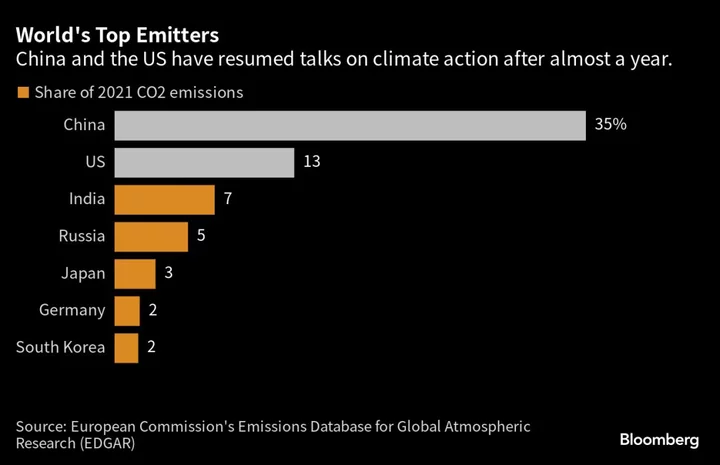
US-China Climate Talks Reopen With Pledge to Take ‘Big Steps’
US Climate Envoy John Kerry opened the first major climate talks with Chinese officials in almost a year,
2023-07-17 11:17

A long-lost part of the Earth has been discovered in Borneo
Ancient remnants of a long-lost part of the Earth believed to be 120 million years old have been located by experts in Borneo. New discoveries about our planet are continuously being made by experts, from finding continents that have been missing for hundreds of years to discovering vast oceans hidden beneath the Earth’s crust. Now, a new amazing discovery revealed details of the 120-million-year-old tectonic plate, now named Pontus. A prediction of the crust’s existence came when Suzanna van de Lagemaat, a graduate geologist at Utrecht University in the Netherlands, and her supervisor, Douwe van Hinsbergen, analysed geological data from mountains in the Asia-Pacific region. While studying rock formations in northern Borneo, Van de Lagemaat came across some clearcut signs of the ancient Pontus plate, explaining: “We thought we were dealing with relicts of a lost plate that we already knew about.” She continued: “But our magnetic lab research on those rocks indicated that our finds were originally from much farther north, and had to be remnants of a different, previously unknown plate.” Researchers estimate that the Pontus plate, which formed part of the world’s crust before the break up of supercontinent Pangaea, was around a quarter of the size of the Pacific Ocean, based on reconstructions of what it would have looked like 160 million years ago. Pontus sat beneath the vast ocean that separated Eurasia and Australia at the time. As Pangaeo separated, it’s believed the plate was swallowed up by other plates that carried countries such as The Philippines and Borneo to their current day locations. Van de Lagemaat’s research focussed on a complex region of tectonic plate activity known as the Junction Region. It runs between Japan, Borneo, the Philippines, New Guinea, and down to New Zealand. Through her research, she was able to use the data to create a clip reconstructing the tectonic plate movements that have occurred from the time of the dinosaurs up to the present day. Sign up to our free Indy100 weekly newsletter Have your say in our news democracy. Click the upvote icon at the top of the page to help raise this article through the indy100 rankings.
2023-10-10 21:30

Dashlane Review
A password manager can help you generate and store unique, strong passwords for every app
2023-07-20 04:57

NASA may delay crewed lunar landing beyond Artemis 3 mission
NASA's Artemis 3 mission, set to return humans to the Moon in 2025, might not involve a crewed landing after...
2023-08-09 05:27

AI threatens humanity’s future, 61% of Americans say - Reuters/Ipsos
By Anna Tong The swift growth of artificial intelligence technology could put the future of humanity at risk,
2023-05-18 01:27

Ambani’s Jio Unveils $12 Phone That Streams Video, Moves Money
Billionaire Mukesh Ambani’s group Monday announced an internet-enabled phone at an entry price of 999 rupees ($12) as
2023-07-03 22:47

Paige Spiranac breaks hearts as she debunks rumors of going topless at US Open ground: 'Don’t get your hopes up'
Paige Spiranac said, 'This is not true so don’t get your hopes up. But I did pick Rickie as a long shot so at least I have that going for me lol'
2023-06-17 13:23

Europeans Lack Insurance Protection as Wildfires and Drought Batter the Region
Europeans are among the least insured against certain types of extreme weather and other natural disasters in the
2023-08-02 18:20
You Might Like...
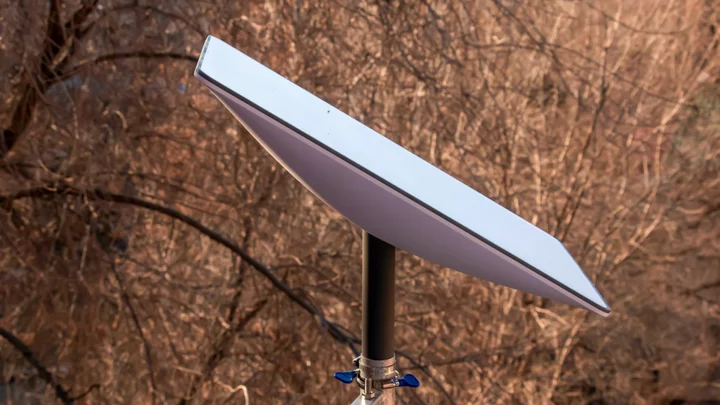
Satisfaction With Starlink Tops ISP Rivals by a Mile, Even With Slower Speeds

China’s Polluters Take Steps to Meet EU’s Carbon Tax Challenge

Supreme Court strikes down Biden’s plan to cancel student loan debts

NI Announces New LabVIEW Features to Turn Test Performance into Business Performance

Is China a threat to US? Joe Rogan shocked after reading TikTok's terms and conditions: 'It's best for sucking people in'

Better than AI? The UK police who never forget a face

Honor Shows Off the World's Thinnest Book-Style Folding Phone at IFA

CIA launches video to recruit Russian spies