
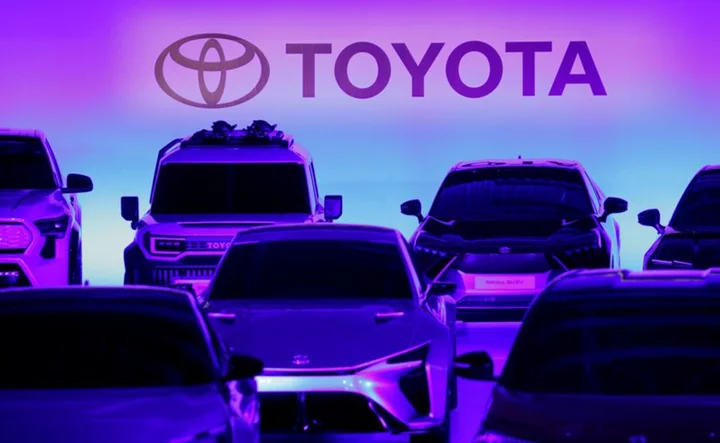
Japan auto show returns, as industry faces EV turning point
By Daniel Leussink TOKYO Tokyo's auto show is back for the first time in four years and newly
2023-10-23 16:18

NYC Air Quality Drops to Unhealthy Levels — But Canadian Fires Aren’t to Blame
New York City’s air quality dropped to unhealthy levels Wednesday morning, but Canadian wildfires aren’t the main culprit
2023-07-05 20:46
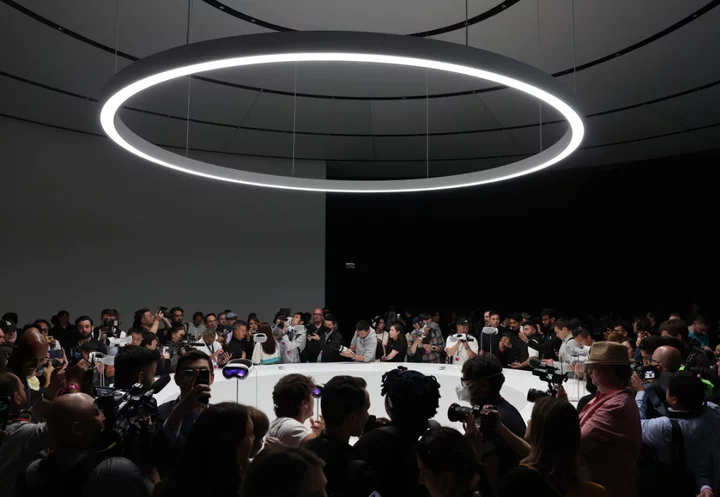
iPhone event: Everything Apple is expect to reveal at major ‘wonderlust’ launch
Apple is about to hold its biggest event of the year: the iPhone launch. This year, however, it will bring a whole host of new products, including Watches and AirPods too. And those products could be notable as much for their ports as much as any new features they will bring, as Apple is widely expected to finally make a long-rumoured change away from the classic Lightning connector. Here is everything Apple is expected to show at the event on 12 September, which it has called “Wonderlust”. iPhone 15 – four of them It is a long time since just one iPhone was introduced during the iPhone event, and these days Apple seems to have settled on a fairly reliable line-up of four. This year that means there should be an iPhone 15, an iPhone 15 Plus, an iPhone 15 Pro and an iPhone 15 Pro Max. The two larger phones generally are the same as their smaller counterparts, beyond the obvious difference in size, and those sizes should be the same 6.1 inches and 6.7 inches as the iPhone 14 line-up. This year however there will be a small distinction between the Pro and Pro Max. The iPhone 15 and 15 Plus will have much more modest upgrades, which mostly bring it in line with the existing iPhone 14 Pro. It will get the Dynamic Island and a faster chip, rumours suggest. The iPhone 15 Pro and Pro Max will get the more meaningful upgrades. They will include a new chip in the form of the A17, an action button instead of a mute switch, and camera improvements. The camera on the iPhone 15 Pro Max will get its own addition: a periscope camera. That technology has already come to some competitors and means that a long lens can be folded into a small space, allowing for extra zoom capabilities, though it will not fold so small that it will fit in the smaller-sized phone. And all of those iPhones will switch to USB-C rather than the Lightning port that has been on the phone for more than a decade. It remains to be seen whether that will add new capabilities straight away, and last time Apple switched connector it caused quite a stir given the requirement to buy new cables and peripherals. Apple Watch Series 9 The Apple Watch Series 9 is also expected to be a fairly small upgrade. It will get a new processor that will make it faster, but on the outside it will stay the same, in the same design. That upgrade could be the first substantial upgrade to the inside of the iPhone in years. As well as making the Watch run faster, it could also improve its battery life. Apple Watch Ultra The Apple Watch Ultra – first introduced last year – is also set to get its own upgrade. Those too are likely to be limited. It will get all the upgrades from the normal version of the Apple Watch, such as its improved processor. Rumours also suggest that it could be lighter and come in a new, darker colour. AirPods In recent days, rumours have suggested that Apple could be launching new AirPods Pro too. It’s unclear whether that’s just a change of ports to match the iPhone’s, or something more significant. It also remains to be seen whether Apple will offer that case on its own, or require people to buy a whole new set of AirPods to get it. The AirPods Pro case does have wireless charging, so even those stuck with the old version can theoretically power up their iPhone and earphones with the same charger. Other accessories The switch away from the Lightning port doesn’t only affect the iPhone and the AirPods. There are plenty of other devices that still use that port: the AirPods Max, Apple’s Mac peripherals like its keyboards and trackpads, and one of the iPads. Apple could use the event to announce that all of those will be making the switch too. Or it might wait until more relevant events: iPad launches for the tablet, for instance, and Mac launches for the keyboard and other accessories. Headset The headset was revealed in June at Apple’s last big event, its Worldwide Developers Conference. Since then Apple has been largely quiet about it – and the developers that have been using it since have been sworn to secrecy. The headset isn’t due until early next year. But Apple will almost certainly use the event to remind people that it’s coming, and perhaps give some updates. (A potential surprise for the iPhone would be if it can capture the three-dimensional images and videos that can be viewed in the headset, and were a key part of Apple’s demonstration of it. It certainly makes sense that it would be coming to some iPhone in the future.) Surprises? Apple is well-known for introducing surprises at the end of its events. But in fact, they are actually quite rare – especially these days, and especially at iPhone events where Apple wants to ensure the focus is on its biggest products. So there is of course some chance of a big surprise. But it seems unlikely, given how action packed the event already seems to be. Read More Apple announces major event to reveal new phone Apple says its new product is making people ‘audibly gasp’ The powerful technology hidden in every iPhone – and all around you iPhone 15 could bring two major changes to fix battery life iPhone owners to receive payouts from Apple iPhone 15: Global smartphone demand collapses as Apple aims to take top spot
2023-08-31 00:52

How to Access Your Mac's Hidden Files
Your computer has backend directories, libraries, and files that help keep the operating system running
2023-08-29 03:29

Occidental to Buy Canadian Startup Carbon Engineering for $1.1 Billion
Warren Buffett-backed Occidental Petroleum Corp. agreed to buy Canadian startup Carbon Engineering Ltd. for $1.1 billion as the
2023-08-16 08:28
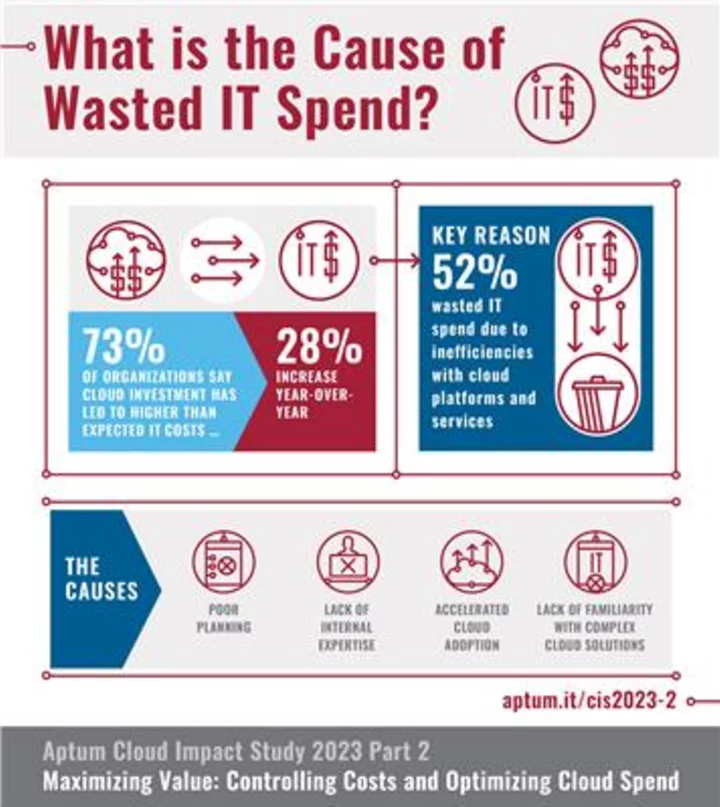
Lack of Cloud Management Continues to Drive Significant Waste of IT Resources: Aptum Study
TORONTO--(BUSINESS WIRE)--Sep 21, 2023--
2023-09-21 20:28

Procore Revolutionizes Construction Workflows with Innovative AI-Powered Copilot
CHICAGO--(BUSINESS WIRE)--Sep 19, 2023--
2023-09-19 22:52

Rome and Berlin Forecast to Get Much Cooler Weather This Week
After months of extreme heat across southern Europe, the continent is cooling down, with Rome and Berlin set
2023-08-29 16:26

House Committee Launches Probe into FTC Chair Lina Khan
The House Oversight Committee is opening an investigation into US Federal Trade Commission Chair Lina Khan, ratcheting up
2023-06-02 00:16

Logitech Offers First Ever MX Keyboard Combo with New Software to Increase Flow and Productivity
LAUSANNE, Switzerland & NEWARK, Calif.--(BUSINESS WIRE)--May 31, 2023--
2023-05-31 15:17
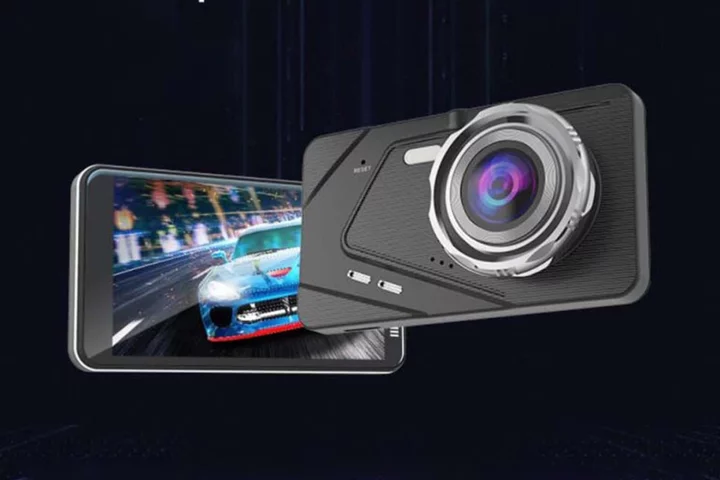
Save 55% on this wide-angle HD night vision dash cam
TL;DR: As of June 19, get the Nu Nu 170-Degree Wide-View Dual Lens Dash Cam
2023-06-19 17:45
Google rolls out a major expansion of its Bard AI chatbot
Google's Bard artificial intelligence chatbot is evolving.
2023-09-19 18:59
You Might Like...
Instagram Unveils Threads App, a Threat to Musk’s Twitter

Tayloe Stansbury Joins FICO’s Board of Directors
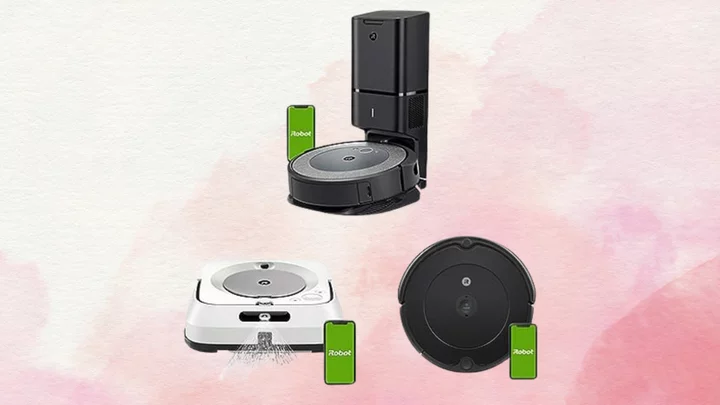
Put your chores on autopilot with up to 35% off iRobot Roomba Vacuums
SK Secures Land for $15 Billion Canadian Green Hydrogen Project
Intel hit with $400 million EU antitrust fine in decades-old case
Scientists shed surprising new light on the Earth's 'butter-like' inner core

China Set to Release Long-Awaited Methane Plan Before COP28

Pokémon Sleep Friendship Level Explained